
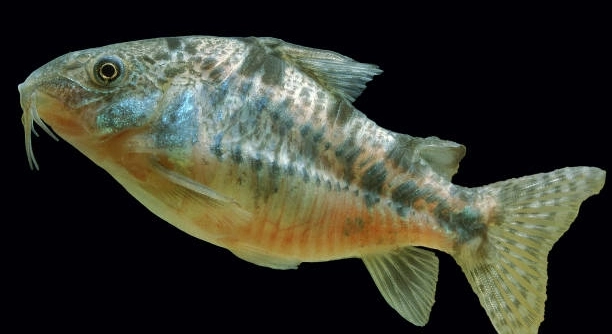
Overcrowding in your Corydoras catfish tank can create serious problems, affecting both their health and overall wellbeing. It’s important to recognize the signs early to prevent long-term harm to your fish.
Overcrowding occurs when there are too many fish in a confined space, leading to stress, poor water quality, and competition for resources. This can cause a variety of symptoms, including reduced activity and deteriorating physical health.
By understanding these signs, you can take steps to ensure your fish remain healthy and happy. Keep reading to learn how to spot overcrowding and what you can do to help your Corydoras thrive.
Recognizing the Symptoms of Overcrowding
Overcrowding in your Corydoras catfish tank can quickly lead to various problems. Fish need space to move, feed, and breathe comfortably. When there are too many in the tank, they become stressed and more vulnerable to disease. You’ll likely notice some changes in their behavior and appearance that suggest overcrowding is at play. For example, your catfish might become less active, spending most of their time hiding. Additionally, they may start swimming erratically or show signs of aggression towards other fish.
The lack of space can also lead to a buildup of harmful waste in the water, making it harder to maintain a clean environment. The quality of water often deteriorates quickly in overcrowded tanks, further stressing the fish. It’s important to monitor these changes and take immediate action if needed.
Properly identifying overcrowding symptoms allows you to make adjustments early on. Keep an eye out for these signs to ensure your Corydoras catfish stay healthy and enjoy their space.
Impact on Water Quality and Health
An overcrowded tank leads to poor water quality due to an excess of waste and ammonia. This can cause major health issues for your Corydoras. Fish need clean, well-oxygenated water to thrive. Overcrowding reduces the efficiency of filtration systems, causing ammonia and nitrite levels to rise, which can be toxic to fish. When your Corydoras are exposed to these harmful chemicals, they may become lethargic, lose their appetite, or develop visible sores on their skin.
It is essential to frequently test the water quality in your tank if you notice overcrowding signs. Regular water changes, a proper filtration system, and appropriate tank maintenance will help keep your fish safe. Overcrowding compromises not only the health of the fish but also the balance of your entire tank ecosystem. Adding too many fish too quickly increases the chances of developing these toxic conditions.
If the overcrowding issue is not addressed, your Corydoras may begin to show signs of malnutrition or weakened immune systems, leaving them susceptible to infections.
Behavior Changes in Overcrowded Tanks
When Corydoras catfish are overcrowded, you may notice unusual behavior. Fish that are typically calm might become more aggressive. They might chase each other, competing for space and food. You may also see them hiding more than usual, trying to escape the stress caused by too many tankmates.
Overcrowding affects the natural behavior of Corydoras. When they feel cramped, they often retreat to dark corners of the tank or behind decorations. This behavior is a sign that they are stressed and uncomfortable in their environment. It’s not uncommon for them to display erratic swimming patterns as well, particularly if they are constantly bumped by other fish. In extreme cases, they may become lethargic, barely moving throughout the day.
Watching for these behavior changes can help you assess the overcrowding situation. The more you understand how your catfish act when they’re under stress, the quicker you can intervene.
Difficulty Feeding
Overcrowding often leads to competition during feeding times. With too many fish in the tank, it becomes difficult for every Corydoras to get their share of food. Smaller fish may not be able to eat enough, which leads to malnutrition or stunted growth.
Fish that are unable to feed properly may show signs like a thinner body, reduced energy, or lethargy. The constant competition for food also creates a stressful environment. Corydoras might become more aggressive, pushing each other out of the way during feeding time. This aggression can lead to injuries or wounds on their bodies, which could further affect their health.
If you notice these signs, it’s important to consider adjusting your feeding routine or the number of fish in the tank. Adding hiding spots or dividing the tank into zones can also help ensure everyone gets enough to eat.
Deteriorating Physical Appearance
Overcrowding can affect the physical health of your Corydoras catfish. You might notice your fish looking thinner, with visible ribs or sunken bellies. This happens when they struggle to get enough food or become stressed over time.
When fish are overcrowded, their immune systems weaken, making them more prone to infections. Corydoras that appear pale or have ragged fins may be suffering from skin damage or infections caused by poor water quality. These physical changes are often the result of prolonged stress, so it’s essential to monitor the tank’s condition closely.
Increase in Diseases
An overcrowded tank creates a perfect environment for disease outbreaks. With more fish in a small space, bacteria and parasites spread quickly, causing infections. Corydoras are particularly vulnerable due to their sensitive skin and gills.
Poor water quality, which is common in overcrowded tanks, encourages harmful bacteria to thrive. Diseases like ich, fungal infections, or fin rot can affect your catfish, leading to serious health problems if not addressed. Regular water changes and proper filtration help reduce the risk, but overcrowding needs to be corrected to keep your fish safe.
FAQ
How many Corydoras catfish can I keep in a tank?
The number of Corydoras catfish you can keep depends on the tank size and other factors like water quality. As a general rule, you should provide about 2 to 3 gallons of water per Corydoras. For example, in a 20-gallon tank, you can comfortably house 6 to 8 Corydoras. Overcrowding can lead to stress, poor water quality, and health issues, so avoid cramming too many fish into a small space. It’s essential to make sure that the tank has enough space for each fish to swim freely without being constantly crowded.
How do I know if my tank is overcrowded?
You can tell your tank is overcrowded if your Corydoras catfish are displaying unusual behavior, like increased aggression, hiding more often, or swimming erratically. Other signs include deteriorating water quality, where you notice a significant drop in clarity or smell, and problems during feeding times, like fish not getting enough food. If you’re struggling to maintain the tank’s water quality or dealing with persistent health issues, overcrowding is likely the cause. You should also check the number of fish compared to the size of your tank.
Can overcrowding cause stress in Corydoras?
Yes, overcrowding creates a stressful environment for Corydoras. These fish are known for being peaceful, but they need space to feel secure. When there are too many fish in a tank, it leads to constant competition for food, territory, and oxygen. This stress can cause behavior changes like hiding or aggression, and it can also affect their immune systems, making them more susceptible to diseases. Chronic stress due to overcrowding can also shorten their lifespan, so it’s vital to maintain the right balance of fish in the tank.
What are the signs of malnutrition in Corydoras?
Signs of malnutrition in Corydoras include weight loss, thin bodies, sunken bellies, and lack of energy. Malnutrition happens when there is not enough food or when the fish can’t get enough to eat due to overcrowding. If you notice your Corydoras acting lethargic or having difficulty swimming, it’s a sign they may not be getting the proper nutrients. It’s crucial to ensure that each fish gets an adequate amount of food, especially if there is intense competition during feeding times.
How can I fix overcrowding in my Corydoras tank?
The most effective way to fix overcrowding is to reduce the number of fish in the tank. If you have too many Corydoras, consider transferring some to another tank or finding new homes for them. You can also set up a larger tank to provide more space for your fish to thrive. Another option is to reorganize the tank layout by adding more hiding spots or plants to create separate territories. Additionally, improving water filtration and performing regular water changes will help maintain a healthy environment for your remaining fish.
Can overcrowding cause Corydoras to fight?
Yes, overcrowding can lead to increased aggression among Corydoras. These fish are typically peaceful, but when they feel cramped, they may compete for resources like food, hiding spots, or territory. This can result in chasing, nipping, and sometimes even physical injuries. It’s important to keep the tank spacious enough for each fish to establish its own territory to minimize aggression. If you see signs of fighting or bullying, it’s a clear indicator that your tank is overcrowded.
How often should I change the water in an overcrowded tank?
In an overcrowded tank, water changes should be done more frequently to help maintain good water quality. You may need to perform partial water changes once or twice a week, depending on the size of your tank and the number of fish. A 25-30% water change is generally sufficient to keep the water fresh and reduce the build-up of harmful toxins. It’s also important to monitor water parameters like ammonia, nitrite, and nitrate levels regularly to ensure the health of your Corydoras.
What other fish can live with Corydoras?
Corydoras are peaceful and social fish that generally do well with other calm species. You can house them with other non-aggressive fish like guppies, tetras, and mollies. However, avoid keeping them with large or aggressive species that may bully or outcompete them for resources. It’s also important to ensure that any tankmates are compatible with Corydoras in terms of water conditions (temperature, pH, and hardness). Always observe your fish closely to make sure they are getting along well with their tankmates.
Is overcrowding harmful to my Corydoras long-term?
Yes, overcrowding is harmful to your Corydoras in the long run. Constant stress from not having enough space can weaken their immune systems, leading to disease outbreaks. Poor water quality, which is a common result of overcrowding, can also cause chronic health problems, including skin infections, fin rot, and respiratory issues. Overcrowding can also shorten the lifespan of your Corydoras. To ensure their long-term health and happiness, it’s essential to maintain proper tank conditions, avoid overcrowding, and monitor their behavior regularly.
How do I manage tank filtration in an overcrowded tank?
In an overcrowded tank, filtration becomes even more important to maintain clean and healthy water. A strong filtration system will help remove excess waste and toxins, but it’s also crucial to monitor the filtration capacity of your tank. Make sure the filter is large enough to handle the volume of waste produced by the number of fish in your tank. You may need to upgrade your filter or add a second one if overcrowding is a problem. Regular maintenance, such as cleaning the filter media and replacing cartridges, is essential to ensure your filter is working efficiently.
Should I separate Corydoras if they are overcrowded?
Yes, if you notice overcrowding symptoms, separating the Corydoras into different tanks or rearranging the existing tank is a good solution. Reducing the number of fish in the tank will help alleviate stress and improve their quality of life. In larger tanks, creating separate territories using plants or decorations can also help reduce the feeling of overcrowding. However, the best solution is often to simply provide a larger space, ensuring that each Corydoras has enough room to swim, feed, and thrive without feeling cramped.
Final Thoughts
Overcrowding in a Corydoras catfish tank can lead to serious health and behavioral problems for your fish. These small, peaceful fish need space to move freely, feed properly, and feel secure. When they are kept in too small of an area, it can result in stress, competition for resources, and poor water quality. These conditions often lead to physical issues like malnutrition, weight loss, and weakened immune systems, which make them more susceptible to disease. Keeping your Corydoras in an overcrowded tank not only harms their health but also shortens their lifespan.
The best way to prevent overcrowding is by making sure your tank is appropriately sized for the number of fish you have. A 20-gallon tank is ideal for around six to eight Corydoras, though this can vary depending on the size of your fish and the other species living in the tank. It’s important to remember that keeping a good balance of fish in your tank isn’t just about the number but also about maintaining water quality and ensuring the tank’s filtration system can handle the waste produced. Regular water changes, monitoring ammonia and nitrite levels, and keeping the tank clean are all essential tasks to support a healthy environment for your fish.
If you do find that your Corydoras are overcrowded, there are a few simple steps you can take to fix the problem. First, consider removing some fish to another tank or finding them new homes. You can also upgrade to a larger tank or rearrange the existing one to give your fish more space and create separate territories. Adding hiding spots and plants can also help reduce the stress that comes with overcrowding by allowing each fish to have a place to retreat. Ultimately, making sure that your Corydoras are comfortable in their environment will lead to happier, healthier fish and a more enjoyable aquarium experience for you.

Hello,
If you enjoy the content that we create, please consider saying a "Thank You!" by leaving a tip.
Every little bit helps us continue crafting quality advice that supports the health, happiness, and well-being of pets around the world, for pets of all shapes, sizes, and species.
We really appreciate the kindness and support that you show us!