
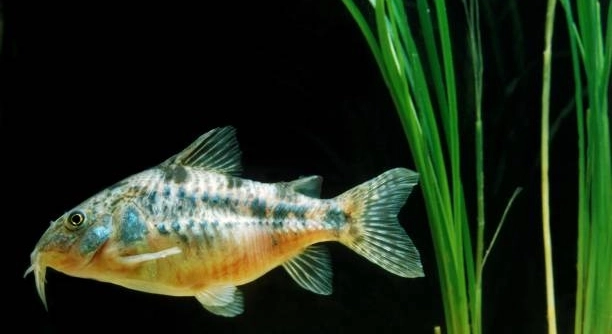
Is your Corydoras catfish constantly swimming back and forth, leaving you puzzled about what could be going on in the tank?
Corydoras catfish may swim back and forth due to stress, boredom, poor water conditions, or environmental changes. This behavior can also indicate a need for social interaction, dietary adjustments, or a reaction to tank disturbances.
Understanding the reasons behind this behavior can help you create a more comfortable and stable environment for your Corydoras.
1. Stress from Poor Water Conditions
Corydoras catfish are sensitive to their environment, especially when it comes to water quality. Ammonia spikes, high nitrate levels, or low oxygen can cause them to swim erratically or pace back and forth. This behavior is often a response to discomfort. If the tank hasn’t been cleaned recently or the filter isn’t functioning well, these small fish may start showing signs of stress. Regular water changes, proper filtration, and stable temperature and pH levels are key. Even slight imbalances can affect their mood and behavior. Testing the water weekly can help prevent issues before they affect your fish.
Always check the tank’s water parameters before assuming it’s a behavioral issue.
A clean, balanced tank allows Corydoras to feel secure and display their normal, calm behavior. If pacing continues after fixing water quality, other causes may need to be explored.
2. Loneliness or Lack of Social Interaction
Corydoras are naturally social fish that thrive in groups.
Keeping Corydoras alone or in small numbers can lead to anxious or erratic swimming. These fish enjoy moving in shoals, and when they’re alone, they may swim back and forth in search of companionship. A group of at least six Corydoras usually keeps them happy and comfortable. Without a proper group, they feel exposed and vulnerable, which often triggers restless behavior. Adding more Corydoras to the tank can quickly resolve this issue. You might notice a significant change in their energy levels and behavior once they’re surrounded by their own kind. Grouping them also reduces aggression from other tank mates and supports their natural instincts. Watching them swim together in a relaxed, playful way is not just healthier for them—it’s also more enjoyable for you as the observer.
3. Boredom from a Lack of Enrichment
Corydoras can show repetitive swimming behavior when they’re bored. A bare tank with little stimulation can make them restless.
Adding live plants, hiding spots, and varied substrate textures can give your Corydoras more to explore. These fish are curious bottom-dwellers that enjoy investigating their environment. If the tank is empty or predictable, pacing may become a way to cope with boredom. A more enriched space encourages natural foraging and social behaviors. Consider placing driftwood, smooth stones, or PVC caves to provide visual breaks and hiding areas. Changing their layout occasionally also keeps things interesting. Just be sure decorations are safe and free of sharp edges. Some owners also rotate tank decorations or use feeding rings to spark interest. Enrichment doesn’t have to be complicated—small changes can go a long way in calming their behavior.
Once your Corydoras have more to do, you’ll likely notice them exploring more and pacing less. It’s worth the effort.
4. Reflections or Glass Distortion
Tank glass can create confusing reflections that make Corydoras think another fish is nearby.
This often happens in tanks with strong lighting or clear backgrounds. Your Corydoras may swim toward their own reflection repeatedly, thinking it’s another fish invading their space. You can try adjusting the lighting, placing a background on the tank, or reducing external glare. All of these changes can help reduce visual confusion. Sometimes, even placing the tank near a busy walkway or window can trigger this behavior. Giving them a more calming space helps.
Reducing reflections can quickly improve your Corydoras’ behavior. Covering one side of the tank or changing the angle of the light source often makes a difference. If your lighting is too bright, switching to a softer, more natural tone may help your fish feel more at ease. Some owners also place plants or decorations near reflective surfaces to soften the visual bounce. Observing your Corydoras after these changes can show if the pacing slows down. When they feel less visually overstimulated, they’re more likely to relax and engage in their usual bottom-dwelling activities.
5. Chasing Flow or Current in the Tank
Strong water flow can cause Corydoras to swim back and forth as they chase or fight against the current.
Sometimes they find it stimulating, but too much flow creates stress. Adjust the filter output or add decorations to break up fast-moving water.
6. Looking for Food at the Surface
Corydoras sometimes swim to the surface repeatedly if they associate it with feeding time.
If they’re not getting enough food or if feeding is inconsistent, they may pace in hopes of being fed. Regular feeding helps reduce this behavior.
7. Reacting to Sudden Tank Changes
Quick changes to the tank, like adding new fish, shifting décor, or altering lighting, can startle Corydoras and trigger repetitive swimming. Give them time to adjust and try to introduce changes slowly. Stability usually brings their behavior back to normal.
FAQ
Why is my Corydoras swimming along the glass nonstop?
This often happens when they’re stressed or overstimulated. It could be due to poor water quality, tank reflections, strong lighting, or even being kept alone. Corydoras are social fish and need a group to feel secure. If the tank is too small or lacks cover, they may pace along the glass for comfort. Fixing the water, adding more hiding places, and increasing the group size usually helps. You can also check if the tank is in a high-traffic area, which may be causing anxiety.
Is it normal for Corydoras to swim to the top of the tank often?
It can be normal, especially when they gulp air. Corydoras have a special ability to breathe atmospheric oxygen, which they do from time to time. However, if it becomes frequent, it might mean there’s not enough oxygen in the water. Test for low oxygen levels or high ammonia. Adding an air stone or increasing surface movement can help. Make sure the tank isn’t overcrowded or too warm, as both lower oxygen levels. Occasional trips to the surface are fine, but constant behavior means something may be wrong.
How many Corydoras should I keep together?
They should be kept in groups of at least six. These fish are social by nature, and being in a group helps them feel safe. A single Corydoras or even a pair may show signs of stress, including constant pacing. When they’re surrounded by their own kind, they explore more calmly and show natural behaviors like group foraging. More than six is even better if your tank can handle it. Keeping a proper group size is one of the easiest ways to reduce anxious or repetitive behaviors.
Can Corydoras be kept with other fish?
Yes, they’re peaceful and do well in community tanks with other non-aggressive species. Ideal tank mates include tetras, rasboras, guppies, and peaceful gouramis. Avoid housing them with aggressive or fin-nipping fish like cichlids or barbs. Also, make sure their tank mates don’t outcompete them during feeding. Corydoras stay mostly at the bottom, so food needs to reach them. Using sinking pellets or placing food near hiding areas can make a big difference. Tank harmony helps reduce stress-related behaviors like pacing or erratic swimming.
Why is my Corydoras swimming up and down quickly?
This can be a reaction to stress, especially from sudden changes in the tank. New decorations, water temperature shifts, or loud noises near the tank can trigger this behavior. Sometimes it’s just brief excitement, but if it happens often, check for signs of discomfort. Double-check your water quality and observe tank mates. If other fish are aggressive, your Corydoras may be trying to avoid them. Creating quiet areas with plants or caves can help them feel more secure. Once things settle down, this behavior usually fades.
Do Corydoras need a special kind of substrate?
Yes, smooth substrate like sand is ideal. Corydoras love to dig and search for food at the bottom of the tank. Rough gravel can damage their barbels, leading to infection or feeding issues. Sand is soft and safe for their sensitive whiskers. If you already have gravel, make sure it’s fine and rounded—not sharp. You’ll notice they’re more active and comfortable when the substrate is suitable. Some even bury themselves slightly while resting. Good substrate supports healthy behavior and reduces injury or stress.
Can overfeeding cause my Corydoras to act strange?
Yes, overfeeding can affect water quality, which directly impacts behavior. Leftover food breaks down and releases harmful substances like ammonia, stressing the fish. Corydoras may start pacing, gasping at the surface, or hiding more often. It’s best to feed small portions once or twice a day and remove uneaten food after a few minutes. They don’t need large amounts, especially in community tanks where other fish share the food. Keeping feeding under control keeps both your Corydoras and tank healthier overall.
Final Thoughts
Corydoras catfish are active, peaceful fish that bring a lot of personality to a freshwater tank. When they start swimming back and forth nonstop, it can be a sign that something isn’t quite right in their environment. While the behavior might seem playful or harmless at first, it’s often linked to stress, poor water quality, or unmet social needs. Because these fish are bottom dwellers and naturally social, they feel safest and most balanced in a well-maintained group and in a tank that matches their needs. Paying close attention to small signs like this can help you keep your tank healthy and calm.
There are many different reasons why your Corydoras might show this kind of behavior. It could be as simple as a strong water current, or as serious as poor oxygen levels in the tank. They may also pace if they’re bored, hungry, or confused by their surroundings. Even sudden changes like new decorations, lighting, or tank mates can cause a strong reaction. Most of the time, once the problem is identified and corrected, Corydoras tend to settle down quickly. They’re pretty resilient as long as the basic conditions are steady and supportive.
By keeping the tank clean, using the right substrate, and sticking to a consistent feeding schedule, you give your Corydoras what they need to feel safe. Making sure they have others of their kind to school with, enough hiding spaces, and a calm environment also helps reduce stress-related behaviors. Watching for signs like constant pacing, gasping, or hiding can help you catch problems early. When their needs are met, Corydoras become calm, playful, and enjoyable to watch. It all starts with understanding what their behavior is telling you and being ready to make small changes when needed.

Hello,
If you enjoy the content that we create, please consider saying a "Thank You!" by leaving a tip.
Every little bit helps us continue crafting quality advice that supports the health, happiness, and well-being of pets around the world, for pets of all shapes, sizes, and species.
We really appreciate the kindness and support that you show us!