
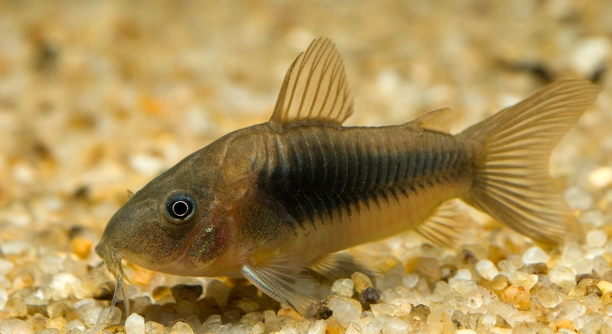
Corydoras catfish are generally peaceful creatures, known for their calm nature in home aquariums. However, it’s not uncommon for them to display unexpected aggression at times. Understanding the reasons behind this behavior can help you keep your tank balanced.
Aggression in Corydoras catfish can stem from various factors, including territorial disputes, stress, illness, or competition for resources. Overcrowding, changes in water quality, or incompatible tank mates can also contribute to this sudden aggression.
By learning more about the potential causes, you can effectively address the issue and help restore peace in your tank.
Territorial Disputes and Limited Space
Corydoras catfish are known to be peaceful, but they can become aggressive when they feel their territory is threatened. If your tank is too small or overcrowded, the fish may become stressed and start defending their space. This is especially true when there aren’t enough hiding spots or if they’re sharing the tank with overly aggressive tank mates. Territorial behavior may include chasing, fin nipping, or trying to claim a certain area as their own. This can lead to conflicts between the fish, disrupting the peaceful environment you want to maintain.
A small tank with limited space is a common issue. Fish that feel cramped or confined may begin to act out, displaying aggression that wasn’t there before.
Providing enough space for your Corydoras to explore freely is essential. A larger tank with plenty of hiding spots can help alleviate this issue, allowing your catfish to establish their own territories without getting stressed. Keeping only a few Corydoras per tank can also prevent competition for space, leading to a more peaceful and stable environment for all the fish.
Stress and Poor Water Conditions
When Corydoras are stressed, they often show it by becoming more aggressive. Stress can result from poor water conditions, such as fluctuating temperatures, high ammonia levels, or low oxygen. Corydoras are sensitive to water quality, and any sudden changes can trigger anxiety, making them act out. The stress may also come from abrupt changes in the environment, like a new tank setup or unfamiliar tank mates. If your fish are regularly stressed, aggression is likely to follow.
Make sure your water quality is regularly checked.
Maintaining stable water conditions is key to reducing stress. Regular water changes, proper filtration, and maintaining the right temperature will create a calm environment for your Corydoras. Adding live plants and soft substrate can also reduce stress by providing hiding spots and a more natural environment. When your Corydoras feel safe and relaxed, they are less likely to show aggression toward each other.
Aggressive Tank Mates
Corydoras catfish are peaceful, but if housed with aggressive fish, they may react defensively. Tank mates that chase or nip at them will create an atmosphere of fear and stress, causing your Corydoras to lash out. Make sure to pair them with calm, non-aggressive species to prevent this.
Corydoras are best kept with peaceful fish that won’t threaten their space. Species like tetras, guppies, and other bottom dwellers are good choices. Aggressive species like cichlids or larger, fast-moving fish should be avoided, as they can overwhelm the Corydoras. Aggression from other fish will often trigger the catfish’s defensive behavior, leading to unnecessary conflict.
When selecting tank mates for Corydoras, consider their size and temperament. Fish that are too large or too active may intimidate them, forcing the catfish to act aggressively in an attempt to protect themselves. By choosing gentle tank companions, you ensure that your Corydoras can live in peace without feeling threatened or stressed by other fish.
Overcrowding and High Fish Density
Overcrowding can lead to aggression in Corydoras, as they need room to move freely and establish territories. When too many fish share the same space, competition for food, shelter, and resources can cause stress, making Corydoras more likely to fight. It’s important to maintain proper stocking levels.
A crowded tank doesn’t give Corydoras the space they need to thrive. This can lead to constant interactions with other fish, increasing stress levels. When stress becomes too much, it often triggers aggressive behavior, including chasing and fin nipping. Overcrowding also affects water quality, leading to further discomfort for the fish.
To keep aggression at bay, avoid overstocking the tank. Give your Corydoras enough space to swim freely without the constant pressure of being surrounded by too many other fish. This will not only prevent aggression but also improve the overall health and well-being of your fish. Keeping fewer fish in a spacious tank leads to a more harmonious environment.
Illness or Injury
Illness or injury can cause Corydoras catfish to behave aggressively. When they’re feeling unwell or hurt, they may lash out, especially if they feel vulnerable. Watching for signs of injury or disease can help you catch issues early and prevent unnecessary aggression from spreading.
Sick or injured fish are more likely to display aggression because they are stressed and trying to protect themselves. You may notice changes in their behavior, like increased hiding or erratic movements, which signal that something is wrong. Treating the illness promptly can stop the aggression before it becomes a long-term problem.
Ensure that your Corydoras are checked regularly for signs of illness or injury. If you spot something unusual, separate the affected fish from the others to prevent spreading illness and to give them the chance to heal. By managing health problems quickly, you can keep your fish calm and aggression-free.
Water Temperature Fluctuations
Corydoras are sensitive to changes in water temperature, and fluctuations can lead to aggression. If the water is too warm or cold, it can cause stress, which may trigger defensive behaviors. Maintaining a stable temperature is essential to keeping your fish calm and balanced.
Ensure your tank’s temperature remains steady by using a reliable heater. Corydoras thrive in temperatures between 72-78°F (22-26°C), so sudden changes can shock their systems. Stress from inconsistent water temperature may cause your catfish to become more territorial or aggressive, leading to conflicts with other tankmates.
Keeping the water temperature consistent is simple with proper equipment. Regularly check your heater and thermometer to ensure they’re working correctly, especially during seasonal changes. This will keep your Corydoras comfortable and reduce the chances of aggression from temperature-induced stress.
FAQ
Why is my Corydoras catfish chasing other fish?
Chasing behavior in Corydoras is often a sign of territorial disputes or stress. Corydoras are generally peaceful, but if they feel threatened or overcrowded, they may display aggressive behaviors like chasing to assert dominance or protect their space. This can also happen if they’re sharing the tank with more dominant or aggressive fish. To reduce this behavior, consider providing more hiding spots and ensuring that your tank is not overcrowded. Adding more plants or decorations can help create spaces for the fish to retreat to, which can help calm their nerves.
How can I stop my Corydoras from fighting?
To stop fighting, first address the root cause of aggression. Ensure that your tank is not overcrowded, and avoid keeping aggressive fish with your Corydoras. If aggression occurs due to territorial issues, adding more hiding spots and space can help. You may also want to increase the number of Corydoras in the tank, as they are social fish and tend to do better in groups. However, keep in mind that too many fish in the tank can lead to other issues, like overcrowding or water quality problems, which could make the situation worse.
What are the signs of stress in Corydoras catfish?
Stress in Corydoras can manifest in several ways. You may notice them hiding more than usual, not eating, or swimming erratically. They may also become more aggressive or withdrawn, especially toward other tank mates. Their colors might fade, and they may start rubbing their bodies against objects, a behavior known as “flashing,” which is usually a sign of irritation or discomfort. Stress can be caused by poor water quality, sudden temperature changes, overcrowding, or incompatible tank mates. Keeping a close eye on their behavior and tank conditions can help you address stress quickly.
Is it normal for Corydoras to fight with each other?
While Corydoras are generally peaceful, they can occasionally fight with each other, especially if there isn’t enough space or if they are feeling stressed. This behavior is usually seen during the breeding season, when males may compete for the attention of a female. However, if fighting becomes frequent or severe, it may indicate that your tank is too small, overcrowded, or lacks enough hiding spots. If fighting continues, you can try re-arranging the tank to break territorial boundaries or consider adding more Corydoras to help reduce competition.
How do I know if my Corydoras are too stressed?
Signs of stress in Corydoras include changes in swimming behavior, such as darting around the tank, hiding constantly, or swimming in circles. Stressed Corydoras might also stop eating or show signs of illness, like faded colors, abnormal fin positioning, or clamped fins. Stress can be caused by many factors, including poor water conditions, sudden changes in temperature, or incompatible tank mates. Monitoring water parameters, ensuring they have enough space, and observing their behavior closely can help you catch stress early and prevent it from escalating.
Can poor water quality cause aggression in Corydoras catfish?
Yes, poor water quality can lead to aggression in Corydoras. When water parameters like ammonia, nitrites, or nitrates become too high, it can cause stress and irritation, leading to more aggressive behavior. Corydoras are sensitive to changes in water conditions, so it’s crucial to maintain good water quality through regular water changes, proper filtration, and testing. If the water conditions are poor, your Corydoras might become agitated, causing them to act out or show aggression toward other fish. Keeping your tank clean and maintaining stable water conditions can significantly reduce aggression.
Do Corydoras catfish need to be kept in groups?
Yes, Corydoras are social fish and thrive when kept in groups. It’s best to keep at least 3-6 Corydoras together so they can feel secure and comfortable. When kept alone, they can become stressed, which may lead to more aggressive or unusual behaviors. Group living helps them feel safer, as they naturally form schools in the wild. In a group, Corydoras tend to be more active, and the risk of aggression is reduced. However, be sure to avoid overcrowding, as too many fish can lead to other problems, such as stress and water quality issues.
Can Corydoras catfish be kept with other species?
Corydoras can be kept with many species, but it’s important to choose peaceful tank mates. They do well with small, non-aggressive fish like tetras, guppies, and other bottom-dwellers. Avoid keeping them with aggressive species like cichlids or large, fast-moving fish that may intimidate or bully them. Additionally, avoid keeping them with fin-nipping fish, as this can cause stress and aggression. Corydoras are calm and peaceful, so choosing tank mates that match their temperament will help keep everyone in the tank happy and reduce the risk of aggression.
How do I know if my Corydoras are happy?
Happy Corydoras are typically active and social. They will swim around the tank in small schools, forage on the substrate, and explore their environment. If they’re well-fed, their colors will be vibrant, and they will interact peacefully with other tank mates. A sign of a healthy Corydoras is when they show normal schooling behavior and do not hide excessively. If they’re constantly hiding or have faded colors, it could indicate stress or an underlying health issue. Keeping your tank clean, maintaining stable water conditions, and offering a varied diet are important factors in ensuring your Corydoras remain happy and healthy.
Understanding why your Corydoras catfish are showing aggression is key to resolving the issue and ensuring a peaceful environment in your tank. While these fish are generally calm and peaceful, several factors can cause them to act aggressively. Territorial disputes, overcrowding, poor water quality, and stress are some of the most common triggers. By identifying the source of the aggression, you can take steps to prevent it and provide a better living situation for your fish. A little attention to their tank conditions and behavior can go a long way in preventing unnecessary stress.
It’s essential to keep in mind that Corydoras catfish are social animals. They thrive in groups and feel more secure when kept with their own kind. Keeping them in schools helps reduce stress, which can decrease the chances of aggressive behavior. When considering tank mates, make sure to choose peaceful species that won’t threaten the Corydoras or crowd the space. Maintaining a well-balanced tank with plenty of hiding spots, proper filtration, and consistent water parameters is vital to their well-being. If aggression persists, it might be necessary to adjust the environment or make changes to the tank setup.
By taking the time to observe and care for your Corydoras catfish, you can address the aggression and promote a more harmonious aquarium. While it can be frustrating to deal with sudden behavior changes, most issues can be traced back to environmental factors. With some adjustments to tank size, water quality, and tank mates, your Corydoras will likely return to their peaceful nature. Remember, a calm environment not only helps reduce aggression but also ensures the health and happiness of all your aquatic pets.

Hello,
If you enjoy the content that we create, please consider saying a "Thank You!" by leaving a tip.
Every little bit helps us continue crafting quality advice that supports the health, happiness, and well-being of pets around the world, for pets of all shapes, sizes, and species.
We really appreciate the kindness and support that you show us!