
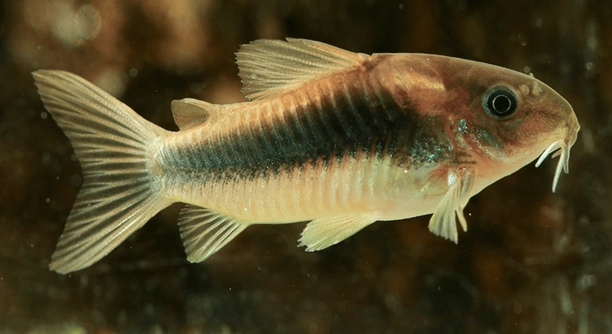
Corydoras catfish are active and playful fish that thrive in an engaging environment. However, keeping them active in your aquarium requires attention to their needs. A lack of stimulation can lead to stress and inactivity.
To maintain the activity of Corydoras catfish, provide a well-planted aquarium with hiding spots and a varied diet. Ensure consistent water quality and temperature while offering opportunities for exploration. Regular tank cleaning and enrichment further support their well-being.
These simple adjustments will ensure your Corydoras stay healthy and engaged. Keep reading to discover additional tips to enhance their environment.
Proper Tank Setup for Corydoras Catfish
Creating the ideal environment is the first step in keeping Corydoras catfish active. A well-planted tank with plenty of hiding spots helps mimic their natural habitat, encouraging movement and exploration. They enjoy swimming along the substrate, so incorporating fine gravel or sand is crucial to prevent injury. Additionally, ensure the water is clear, clean, and well-filtered to maintain good water quality. Corydoras are sensitive to changes in water conditions, so invest in a reliable filtration system and test the water regularly. Keeping a stable water temperature between 72-78°F (22-25°C) is also essential for their overall health.
Adding plants, rocks, and driftwood enhances the visual appeal of the aquarium while offering hiding spots for the fish. It’s important to avoid sharp decorations that can harm them. Corydoras will thrive in a tank with an abundance of spaces to explore and rest, which helps keep them engaged. A secure environment will prevent stress and promote natural behaviors such as foraging and socializing.
Varied Diet for Corydoras
A varied diet is crucial to maintaining Corydoras activity. They are opportunistic feeders, meaning they enjoy a range of food options. High-quality sinking pellets, supplemented with occasional live or frozen foods like bloodworms, brine shrimp, and daphnia, provide essential nutrients.
Offering a variety of foods helps stimulate their hunting instincts. This encourages movement and keeps them engaged. Avoid overfeeding, as excess food can quickly pollute the water and disrupt their environment.
Water Quality and Filtration
Maintaining excellent water quality is essential for Corydoras catfish. Regular water changes help prevent harmful toxins from building up. Keeping the water clean ensures your fish remain active and healthy.
Investing in a high-quality filtration system helps maintain clean water by removing waste and debris. It’s important to choose a filter that matches the size of your tank and provides gentle water flow, as Corydoras prefer calm waters. Filtration also prevents ammonia and nitrate build-up, which can stress the fish and reduce activity levels.
Test the water frequently for parameters like pH, ammonia, nitrate, and nitrite levels. Keep pH levels between 6.0 and 7.5, and ensure the hardness is suitable for their needs. Poor water quality can lead to lethargy and even illness, so regular maintenance is key.
Temperature Control
Corydoras catfish thrive in a stable water temperature range of 72-78°F (22-25°C). Sudden temperature fluctuations can stress them and make them inactive. To avoid this, use a reliable aquarium heater and monitor the temperature regularly.
It’s essential to check the temperature using a thermometer to ensure it remains consistent. This helps avoid drastic changes that could negatively impact the catfish’s behavior. Corydoras are sensitive to temperature shifts, which can lead to reduced feeding and movement. Stable warmth promotes their natural activity and encourages them to explore their surroundings more actively.
Adding a heater with a built-in thermostat ensures that the tank remains within the optimal range. This small investment can make a big difference in keeping your Corydoras engaged.
Tankmates for Corydoras Catfish
Choosing the right tankmates is important to keeping Corydoras catfish active. Peaceful species that don’t outcompete them for food will create a more engaging environment.
Corydoras prefer to swim in groups and are best kept with other calm fish like tetras, rasboras, or other bottom dwellers. Avoid aggressive or large fish that may intimidate them. Peaceful tankmates encourage more movement and social behavior.
Substrate for Corydoras
Corydoras thrive in tanks with fine sand or smooth gravel. Coarse gravel can injure their sensitive barbels, leading to health issues. Fine substrate also allows them to forage naturally.
Ensure the substrate is easy to clean, as leftover food can build up in the gaps, impacting water quality. Proper substrate supports their natural digging behavior.
FAQ
How often should I feed Corydoras catfish?
Corydoras should be fed once or twice a day. Offering small portions helps avoid overfeeding, which can pollute the water. If you’re feeding sinking pellets, ensure they have enough time to reach the bottom before removing uneaten food. A varied diet with occasional live or frozen food like bloodworms or brine shrimp can keep them engaged.
Can Corydoras catfish live alone?
Corydoras are social fish and prefer the company of their own kind. Keeping them in groups of three or more will encourage natural behaviors, including swimming and foraging. A single Corydoras may become stressed and inactive due to loneliness. Therefore, it’s best to maintain a small group in your aquarium.
Do Corydoras catfish need a filter?
Yes, Corydoras require a filter to maintain water quality. They are sensitive to changes in water parameters, and a good filtration system helps remove waste and debris. However, the water flow should not be too strong, as Corydoras prefer gentle currents. A sponge filter is ideal for smaller tanks or for those with delicate fish.
What is the ideal tank size for Corydoras catfish?
For a small group of Corydoras, a tank size of at least 20 gallons is recommended. Larger tanks provide more space for them to swim and explore, promoting more activity. Ensure there are enough hiding places and plants, as this will mimic their natural environment and encourage healthy behavior.
Are Corydoras catfish good tankmates for other species?
Yes, Corydoras are peaceful and typically get along well with other calm fish, such as tetras, rasboras, or guppies. Avoid aggressive species or those that might compete for food, as this can cause stress. Corydoras are bottom dwellers and will rarely interact with fish at the surface.
How can I prevent Corydoras from becoming inactive?
To keep Corydoras active, maintain clean water, provide a stable temperature, and offer a varied diet. Adequate tank size and appropriate tankmates also play a role. Corydoras tend to be more active when they feel secure and have enough space to forage and interact. Regular water changes and a consistent schedule help prevent inactivity.
Do Corydoras catfish like plants in their tank?
Yes, Corydoras benefit from having plants in their tank. Plants provide hiding spots and create a more natural environment. They also help oxygenate the water. However, ensure the plants have smooth edges, as sharp leaves can damage the delicate barbels of Corydoras. Adding live plants can also contribute to the overall health of the aquarium.
Why are my Corydoras hiding all the time?
Hiding can indicate stress or discomfort. This could be due to water quality issues, such as high ammonia or nitrate levels. Ensure the tank is properly filtered and the water parameters are stable. Stress can also come from aggressive tankmates or a lack of hiding spots. Providing additional plants or caves may help them feel more secure.
Can Corydoras catfish live with shrimp?
Corydoras can coexist with shrimp, such as cherry or ghost shrimp, as long as there is enough space and hiding spots. However, larger species of shrimp may pose a threat to baby Corydoras, as they may become prey. It’s best to choose smaller, peaceful shrimp species to ensure harmony.
How can I tell if my Corydoras are stressed?
Signs of stress in Corydoras include erratic swimming, hiding more than usual, and a loss of appetite. Stress can be caused by poor water quality, high temperatures, aggressive tankmates, or overcrowding. Addressing the root cause of stress, such as adjusting water conditions or tank setup, will help restore their well-being.
Are Corydoras catfish easy to care for?
Corydoras are generally easy to care for if their basic needs are met. They require clean water, a proper diet, and a suitable tank environment. Their peaceful nature and hardiness make them great for beginner aquarists. However, it’s important to maintain consistent water conditions and avoid overfeeding.
What is the best substrate for Corydoras catfish?
The best substrate for Corydoras is fine sand or smooth gravel. They love to dig around the bottom in search of food. Sharp or coarse gravel can damage their sensitive barbels, so avoid using rough materials. Fine sand mimics their natural environment and allows them to move around more comfortably.
Can Corydoras catfish be kept with bettas?
It’s generally not recommended to keep Corydoras with bettas. While Corydoras are peaceful, male bettas are often aggressive toward other fish, especially those with long fins or those that are similar in shape. The betta may harass the Corydoras, causing stress. A safer choice would be non-aggressive species.
How often should I clean the tank?
Regular tank maintenance is essential for Corydoras. Perform partial water changes of about 25-30% every week to maintain water quality. Clean the substrate using a gravel vacuum to remove debris. Ensure the filter is functioning properly and clean it monthly. A clean tank helps prevent health problems and keeps your Corydoras active.
Final Thoughts
Corydoras catfish are active, social creatures that thrive in a well-maintained tank. Ensuring that they have a clean environment with stable water conditions is crucial to keeping them engaged. Regular water changes, monitoring water parameters, and maintaining a consistent temperature will all contribute to their well-being. These fish are bottom dwellers and enjoy exploring their surroundings, so providing appropriate tankmates and substrate can help create a comfortable and stimulating environment. Their preference for calm waters means that choosing peaceful tankmates will keep them active and content.
To encourage natural behavior, feeding them a varied diet, including both sinking pellets and occasional live or frozen food, is key. Corydoras are foragers and enjoy searching for food in the substrate. Providing them with fine sand or smooth gravel allows them to express this behavior, which can keep them engaged and prevent them from becoming inactive. Additionally, keeping them in groups of three or more will encourage social interactions and help reduce stress. The presence of other Corydoras will make them feel safer and more willing to explore the tank.
In conclusion, Corydoras catfish are hardy and easy to care for, as long as their basic needs are met. They require a well-maintained tank, peaceful tankmates, and proper feeding to remain active and engaged. By paying attention to water quality, temperature, and their social environment, you can ensure that your Corydoras thrive in your aquarium. When their needs are met, these catfish will not only stay healthy but also provide hours of entertainment as they swim and forage around the tank.

Hello,
If you enjoy the content that we create, please consider saying a "Thank You!" by leaving a tip.
Every little bit helps us continue crafting quality advice that supports the health, happiness, and well-being of pets around the world, for pets of all shapes, sizes, and species.
We really appreciate the kindness and support that you show us!