
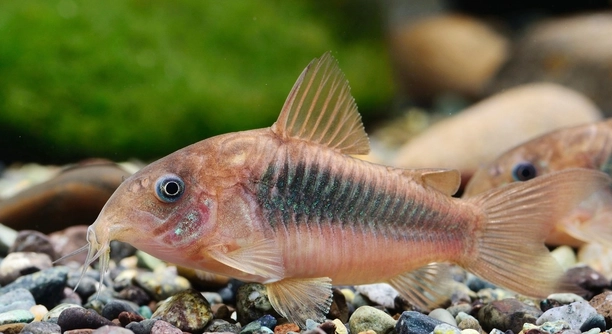
Corydoras catfish are often seen pushing gravel around in aquariums. This behavior can be puzzling, especially for those new to keeping these bottom dwellers. Understanding why this happens can improve your tank setup and fish care routine.
The primary reason for this behavior is that Corydoras are natural foragers. They use their barbels to search for food in the substrate, pushing gravel around in the process. This action helps them locate small particles to eat.
This behavior is common among Corydoras, and various factors can influence it. Exploring these can help you create a better environment for your catfish.
Reasons for Gravel Pushing: Natural Foraging Behavior
Corydoras catfish are bottom dwellers, and their instinct is to search for food on the tank floor. They use their barbels to feel around the substrate, stirring up the gravel as they do so. This behavior is completely natural, and it’s their way of looking for tiny food particles like detritus or leftover fish food. While it may seem excessive at times, it’s an essential part of their feeding habits. In a well-maintained aquarium, their foraging helps keep the substrate clean by moving debris. It’s important to ensure their environment is enriched with enough food, as underfeeding could make them more persistent in their gravel pushing.
Though it may seem like your fish is being disruptive, it’s an important part of their daily routine. If you notice them pushing more than usual, it’s likely they are hungry or need more variety in their diet.
By ensuring they have access to sufficient food, you can help reduce excessive gravel movement. Additionally, adding plants or decorations can provide enrichment to reduce their need to stir up the substrate. It’s essential to observe their behavior closely to understand their specific needs, as Corydoras are active and social fish. Proper tank maintenance and adequate nutrition play a key role in keeping them happy and healthy.
The Importance of Substrate in a Corydoras’ Habitat
Gravel is an important element in the habitat of Corydoras catfish. They thrive in tanks with loose substrates like gravel or sand that allow them to sift through the bottom in search of food. These substrates provide the necessary environment for their natural foraging instincts. A fine or sharp substrate should be avoided, as it could damage their barbels.
For Corydoras, the condition of the substrate matters greatly. A tank with fine, smooth gravel or sand mimics their natural habitat, where they spend their time digging and searching for food. Keeping the substrate clean is equally essential, as leftover food and waste can lead to poor water quality. Regularly vacuuming the gravel and performing water changes ensures that the tank remains healthy.
Creating a balanced and comfortable environment for Corydoras ensures their health and happiness. By carefully selecting and maintaining the substrate, you can provide them with an ideal space to thrive.
Sand vs. Gravel: Which is Better?
Both sand and gravel have their pros and cons in an aquarium. Gravel provides a more stable base for plants and decorations, while sand offers a softer surface for Corydoras to sift through. Corydoras prefer sand for digging, but gravel can still work if kept clean.
If you choose gravel, ensure the grains are smooth and not sharp, as rough surfaces can damage their sensitive barbels. Fine gravel can mimic the effects of sand, allowing Corydoras to sift through it. However, sand is generally better for their foraging habits. It allows for more natural behavior and reduces the need to stir up debris constantly.
Sand also helps maintain a cleaner substrate since it doesn’t trap as much waste, which can lead to issues with water quality. However, sand requires more frequent maintenance to prevent compaction. While both options work, sand is generally preferred by Corydoras due to its softness and the ease with which they can dig through it.
Overfeeding: A Trigger for Gravel Movement
Overfeeding your Corydoras can lead to increased gravel pushing. When the fish cannot consume all the food provided, the excess becomes debris that can be stirred up while they search for edible particles. Overfeeding leads to more waste in the tank and encourages constant digging behavior.
If food particles remain on the bottom, Corydoras will keep moving gravel in an attempt to find more. This behavior could become excessive, with the fish pushing more gravel around than necessary. The best way to prevent overfeeding is to provide only what they can consume within a few minutes, reducing the amount of waste in the tank.
Maintaining a clean feeding routine helps prevent excess waste and limits the need for the fish to dig through the substrate constantly. Proper feeding schedules, along with ensuring adequate food variety, will reduce unnecessary gravel movement while keeping the fish healthy.
Stress and Anxiety in Corydoras
Stress can lead Corydoras to exhibit unusual behavior, such as pushing gravel around more frequently. Stressors like poor water quality, inadequate tank mates, or frequent disturbances can cause them to feel unsettled. They may start digging or moving gravel as a way to cope.
It’s crucial to identify and resolve stressors to reduce their digging behavior. Ensuring a peaceful environment with suitable water parameters and compatible tank mates will help ease their anxiety. Regular water changes, stable temperatures, and a quiet aquarium environment can greatly improve their well-being.
Tank Size and Space
A cramped tank can lead to increased stress and more digging behavior. Corydoras need plenty of room to explore and forage. Small tanks can limit their ability to exhibit natural behaviors, such as swimming and foraging, which could lead to more gravel pushing.
Providing a tank that offers enough space for swimming and digging will help prevent excessive digging. Corydoras typically do well in groups, so consider adding a few more to promote social behavior. This also encourages more natural activity, reducing the urge to push gravel.
Water Flow and Current
Corydoras generally prefer gentle water flow. Strong currents can make them feel uneasy and may cause them to engage in repetitive actions, such as moving gravel. It’s important to adjust the filter or use a sponge filter to keep the water calm, ensuring they feel comfortable.
FAQ
Why does my Corydoras keep pushing gravel around?
Corydoras push gravel around mainly due to their foraging instinct. They use their barbels to feel for food in the substrate, moving the gravel as they do so. This behavior is normal and helps them find small food particles they might have missed. They are naturally active and need to forage, which is why this action can seem continuous.
Is gravel pushing a sign of stress in Corydoras?
While it can be, gravel pushing is more often a sign of foraging rather than stress. However, if the behavior becomes excessive, it could indicate that something is wrong. Stress factors, such as poor water quality, overcrowding, or aggressive tank mates, may trigger unusual behaviors, including digging or pushing gravel. If your Corydoras’ behavior seems linked to stress, check water parameters and ensure the tank environment is peaceful.
Can overfeeding cause Corydoras to push gravel?
Yes, overfeeding can lead to Corydoras pushing gravel. If food remains uneaten on the substrate, the fish may stir up the gravel to find it. Excess food not consumed creates waste and debris, which can be mistaken for food. This behavior often increases when they are overfed, as there’s a constant search for edible particles.
Should I be concerned if my Corydoras constantly digs?
Constant digging can be normal for Corydoras as it mimics their natural behavior of searching for food. However, excessive digging could signal that your fish is looking for more food or is stressed. Check if the tank is clean, properly maintained, and if your fish is receiving the right amount of food. Keeping them well-fed and in an enriched environment can reduce unnecessary digging.
Can tank size affect Corydoras’ behavior?
Yes, a small tank can increase stress in Corydoras, leading to more gravel movement and digging. Corydoras are social fish and need space to swim freely. Inadequate space limits their natural behaviors and may cause them to feel anxious. A larger tank provides a more comfortable environment, allowing them to exhibit natural foraging behaviors without excessive gravel pushing.
How do I know if my Corydoras is stressed?
Signs of stress in Corydoras can include increased digging, hiding, or erratic swimming behavior. They may also stop eating, appear less active, or show signs of injury from being in a tank with aggressive tank mates. Poor water quality, overcrowding, or incompatible species can all contribute to stress. If these behaviors persist, it’s crucial to address the tank environment and water conditions.
Is sand better than gravel for Corydoras?
Corydoras often prefer sand over gravel because it’s gentler on their barbels. Sand allows them to sift through the substrate easily while foraging for food. Gravel can still work, but the stones should be smooth to avoid injury. Sand is a more natural substrate choice for Corydoras, as it enables them to behave naturally by digging and foraging.
What type of food should I be giving my Corydoras?
Corydoras are omnivores and will benefit from a varied diet. Feed them sinking pellets, live or frozen foods like bloodworms or brine shrimp, and occasionally vegetables like blanched zucchini or peas. Ensure they have enough food to forage and eat, as they will naturally push the gravel around looking for food. Overfeeding can lead to uneaten food, so provide meals that they can consume in a few minutes.
Can Corydoras live with other fish?
Corydoras are peaceful fish and can typically live with other non-aggressive species. They do well with other bottom dwellers, smaller species, or peaceful community fish. Avoid aggressive species or fish that may outcompete them for food. Corydoras are social creatures and thrive best in groups, so consider keeping them with other Corydoras for optimal health and behavior.
What water conditions do Corydoras prefer?
Corydoras prefer slightly acidic to neutral water with temperatures between 72°F and 78°F (22°C – 26°C). They thrive in soft to moderately hard water and appreciate a clean, well-filtered environment. Regular water changes are essential to maintain good water quality and ensure the health of your fish. Test the water regularly to make sure it’s within the ideal range.
How can I stop my Corydoras from digging?
Stopping digging entirely is difficult, as it’s a natural behavior. However, you can reduce excessive digging by ensuring your fish are well-fed, providing a larger tank with enough space, and minimizing stressors like poor water quality or incompatible tank mates. Offering additional enrichment, such as hiding spots or plants, may also help distract them from digging excessively.
Final Thoughts
Corydoras catfish are natural foragers and will often push gravel around to search for food. This behavior is a common and essential part of their feeding routine. They use their barbels to sift through the substrate, looking for tiny food particles. It’s important to recognize that this action is generally harmless and part of their nature. As long as the behavior is not excessive or linked to signs of stress, it does not usually indicate a problem.
However, it is crucial to ensure your Corydoras have a healthy and comfortable environment. Overfeeding, poor water quality, and incompatible tank mates can all contribute to increased gravel pushing and other unusual behaviors. Keeping the tank clean, monitoring the water parameters, and ensuring the fish are not overfed will help minimize excessive digging. Proper tank size and providing ample space for your Corydoras to swim and explore will also help reduce stress, which can trigger unnecessary behavior.
In summary, Corydoras’ gravel-pushing behavior is typically part of their natural foraging instincts. As long as their environment is well-maintained and their needs are met, this behavior shouldn’t be a cause for concern. Always ensure they are in a peaceful, well-equipped tank where they can thrive. By observing their habits and maintaining a stable environment, you can help your Corydoras live a healthy and stress-free life.

Hello,
If you enjoy the content that we create, please consider saying a "Thank You!" by leaving a tip.
Every little bit helps us continue crafting quality advice that supports the health, happiness, and well-being of pets around the world, for pets of all shapes, sizes, and species.
We really appreciate the kindness and support that you show us!