
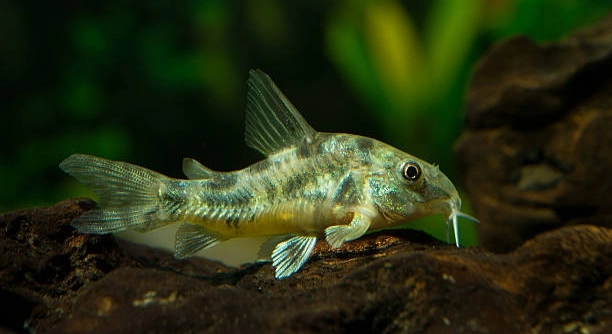
Corydoras catfish are peaceful creatures that thrive in calm environments. However, sometimes they may feel threatened. Understanding their behavior can help you identify when they are stressed or uncomfortable, ensuring their well-being in your aquarium.
Corydoras catfish display certain signs when they feel threatened, such as hiding, rapid movements, or defensive postures. They may also exhibit erratic swimming or remain motionless at the bottom, which indicates stress or a perceived threat in their environment.
Recognizing these signs will help you create a safer and more comfortable environment for your Corydoras catfish.
Signs of Stress in Corydoras Catfish
Corydoras catfish are known for their calm nature, but they do experience stress. When they feel threatened, their behavior can change in noticeable ways. Stress can stem from various factors, such as tank mates, water quality, or sudden environmental changes. If your Corydoras are feeling threatened, they may seek shelter in caves or plant beds. Another sign to watch for is excessive hiding, which indicates they are trying to escape perceived danger. Rapid, erratic swimming is also a common response to stress, as they attempt to avoid a threat. In some cases, they may even display defensive behavior, such as raising their fins. These changes in behavior are your catfish’s way of signaling that they are not comfortable.
Observing these behaviors allows you to address the root cause of stress and keep your fish healthy.
Monitoring water parameters is key to ensuring your Corydoras catfish stay calm and thrive in their environment. Poor water conditions can significantly impact their well-being, leading to heightened stress. They are particularly sensitive to fluctuations in temperature, pH, and ammonia levels. If the water quality isn’t ideal, your catfish will likely show signs of distress. To maintain optimal water conditions, regularly test your aquarium’s parameters and perform water changes as needed. A consistent environment is essential for these fish to feel secure.
How Tank Mates Affect Corydoras Catfish
Corydoras catfish are peaceful creatures, and their environment should reflect that. Aggressive or overly active tank mates can easily stress them out. Incompatible species may intimidate or even harm the catfish. When choosing tank mates for Corydoras, ensure they are gentle and non-aggressive. Fish such as tetras, guppies, or peaceful community species make excellent companions. If you have larger or territorial fish in the tank, they could create an unsafe atmosphere for the Corydoras.
If your Corydoras are constantly hiding or displaying defensive behavior, it might be time to reevaluate their tank mates. Removing aggressive or dominant fish could provide immediate relief. Additionally, creating hiding spaces or adding plants can give your Corydoras a sense of security. By fostering a peaceful environment with compatible tank mates, your Corydoras will be less likely to feel threatened.
Water Quality and Its Effect on Corydoras Catfish
Poor water quality can quickly lead to stress in Corydoras catfish. Elevated ammonia levels, fluctuating temperatures, and unbalanced pH are common stressors. Regular water changes are vital to maintaining a healthy environment for these fish.
When water parameters are unstable, Corydoras may display signs of discomfort, such as hiding or rapid swimming. Keeping the aquarium water clean and stable can prevent these stress reactions. Regular testing of ammonia, nitrites, and pH levels will ensure your tank’s water stays within the appropriate range. The addition of a high-quality filter helps remove harmful substances.
Temperature is also a critical factor. Corydoras catfish thrive in water between 72°F and 78°F. If the water is too warm or too cold, they can become stressed and more susceptible to disease. Maintaining consistent temperature levels can significantly reduce stress and improve the overall health of your Corydoras.
Handling Sudden Changes in Environment
Any sudden change in the environment can cause Corydoras catfish to feel threatened. Whether it’s a change in water temperature, lighting, or tank decorations, abrupt changes may result in stress. Even rearranging the aquarium’s layout can throw off their sense of security.
It is best to introduce changes slowly. If you need to alter the water temperature, do so gradually, ensuring it doesn’t fluctuate too rapidly. Introducing new decorations or tank mates should also be done gradually. Sudden additions or changes can overwhelm your fish, leading to hiding or defensive behavior. If you notice signs of stress, it’s crucial to stop making further changes until the fish have settled.
Corydoras are sensitive to these shifts, and patience is necessary when adjusting their environment. A gradual approach reduces the likelihood of them feeling threatened. With time, your fish will adapt and return to their calm demeanor once they feel safe again.
Overcrowding and Its Impact on Corydoras Catfish
Overcrowding in the tank can lead to stress for Corydoras catfish. Too many fish in a confined space increases competition for food and hiding spots, which can make your catfish feel threatened. Proper tank size and fish-to-gallon ratio are essential.
When Corydoras don’t have enough space, they become more aggressive and anxious, leading to hiding and stress. It’s crucial to maintain a proper balance in your aquarium. A good rule is to allow 1 inch of fish per gallon. By not overcrowding, you ensure each fish has space to swim and feel secure.
The Role of Light in Stress Levels
Bright lighting can cause stress in Corydoras catfish. These fish prefer low to moderate lighting, and overly bright tanks can make them feel exposed and vulnerable. Consider using dimmer lights to help them feel more comfortable.
In addition, sudden changes in lighting can disrupt their routine. Corydoras catfish thrive in a consistent environment, where light levels remain steady. Introducing a timer for lights helps mimic natural day-night cycles, reducing stress. A gentle, soft light is often best for these fish, ensuring they feel calm and protected.
Tank Maintenance and Its Effect on Stress
Regular tank maintenance is key to keeping your Corydoras catfish stress-free. Clean substrate, proper filtration, and occasional water changes help prevent the buildup of harmful substances. Keeping the tank clean will reduce the chances of illness and stress-related behavior.
Corydoras can be sensitive to poor tank conditions, which could lead to rapid swimming or hiding. Regular water changes ensure good water quality and a stable environment, while routine cleaning prevents debris buildup. Ensuring a clean tank reduces the chances of stress, keeping your fish comfortable.
FAQ
What are the common signs that my Corydoras catfish is feeling threatened?
Corydoras catfish often exhibit changes in behavior when they feel threatened. The most common signs include hiding, erratic swimming, and defensive postures, such as raising their fins. They may also stay motionless at the bottom of the tank or swim in rapid, jerky movements as if trying to escape a perceived danger. Additionally, they might avoid their usual social interactions and food. These are all indications that the fish feels stressed and needs a calmer environment.
Can Corydoras catfish live with other species in a community tank?
Yes, Corydoras catfish are peaceful and can live in a community tank with other non-aggressive species. They do well with species like tetras, guppies, and peaceful barbs. However, it’s important to avoid placing them with territorial or aggressive fish that might bully them. Stress from incompatible tank mates can cause Corydoras to hide or display defensive behavior. Always consider the temperament and size of potential tank mates before adding them to the aquarium.
How often should I clean my Corydoras tank?
Cleaning your Corydoras tank regularly is crucial to maintain good water quality and reduce stress. Aim to perform partial water changes of about 25% every two weeks. In addition to water changes, you should vacuum the substrate to remove uneaten food and debris. It’s also important to clean the filter every month to ensure it is working efficiently. Avoid cleaning everything at once to maintain a stable environment and prevent sudden changes that could stress your catfish.
Is it normal for Corydoras catfish to hide a lot?
Yes, Corydoras catfish are naturally shy and enjoy hiding in caves, plants, or under aquarium decorations. However, if they are hiding excessively, it may be a sign of stress. Factors such as poor water quality, overcrowding, or aggressive tank mates can cause Corydoras to retreat more than usual. If they are not coming out to eat or interact with other fish, it’s worth checking the water parameters and ensuring that they are in a safe and stress-free environment.
Can Corydoras catfish survive in warm water?
Corydoras catfish prefer water temperatures between 72°F and 78°F. Temperatures above or below this range can cause stress and even lead to health problems. It’s important to maintain a stable temperature for your catfish, as fluctuations can disrupt their immune system. If the water is too warm, they may become more lethargic and show signs of distress. You can use an aquarium heater with a reliable thermometer to regulate the water temperature and ensure a comfortable environment.
How can I tell if my Corydoras catfish is sick?
Sick Corydoras catfish often show physical symptoms such as discoloration, lesions, or abnormal swimming patterns. They may also appear lethargic or refuse to eat. If you notice any of these signs, it’s important to address the issue quickly. Check the water quality for any imbalances, and consider isolating the affected fish in a quarantine tank to prevent the spread of disease. It’s also a good idea to observe their behavior—if they are showing stress signs or hiding constantly, it could indicate an illness or injury.
What should I do if my Corydoras catfish is being bullied by other fish?
If your Corydoras catfish is being bullied by other tank mates, it’s essential to address the situation promptly. Start by observing the interactions between the fish to determine the aggressor. If necessary, remove the aggressive fish and either rehome them or place them in a separate tank. Adding more hiding places or plants to the tank can also help your Corydoras feel more secure. Keeping the tank well-maintained with optimal water quality is crucial to reducing stress and preventing further bullying.
How can I make my Corydoras catfish feel more comfortable?
To make your Corydoras feel more comfortable, focus on creating a calm, stable environment. Ensure the water quality is excellent by regularly testing for ammonia, nitrites, and pH levels. Provide plenty of hiding spots using plants, rocks, or caves to give your Corydoras a sense of security. Avoid sudden changes in the environment, such as drastic temperature shifts or rearranging decorations, which could stress them out. Additionally, make sure they have compatible tank mates and enough space to swim freely.
Are Corydoras catfish easy to care for?
Yes, Corydoras catfish are relatively easy to care for, making them great for beginner aquarium enthusiasts. They require a well-maintained tank with stable water parameters, including a good filtration system and regular water changes. While they are hardy, they are sensitive to poor water conditions, so attention to water quality is important. Providing a peaceful environment with gentle tank mates and hiding spaces will help keep your Corydoras healthy and stress-free.
How do I know if my Corydoras catfish is stressed or just resting?
It can be difficult to differentiate between a stressed Corydoras and one that is simply resting, but there are a few key signs. Stressed catfish may hide excessively, swim erratically, or refuse to eat. They may also remain motionless at the bottom of the tank, especially if they usually swim more actively. On the other hand, a resting Corydoras will typically rest in a secure location, but it should still be alert and occasionally move around. Monitoring their behavior over time can help you determine if they are stressed or just taking a break.
Can I keep Corydoras catfish with shrimp?
Corydoras catfish can live with shrimp, as they are peaceful and typically won’t harm them. However, it’s important to consider the size and species of shrimp. Smaller shrimp may be at risk if kept with larger or more aggressive fish. Also, ensure that the water parameters suit both your Corydoras and shrimp, as different species may have specific requirements. Providing plenty of hiding places and plants will allow both the shrimp and Corydoras to coexist peacefully in the same tank.
Final Thoughts
Corydoras catfish are peaceful and social creatures, making them a great addition to many community aquariums. However, like any fish, they can become stressed or threatened under certain conditions. It’s important to create an environment that minimizes stress for your Corydoras, ensuring they feel secure and comfortable in their tank. By paying attention to signs of distress, like hiding or erratic swimming, you can quickly address any issues and provide the best care possible.
The key to maintaining a healthy tank for your Corydoras is consistency. Regular water changes, proper filtration, and monitoring water quality will go a long way in reducing stress. Avoid overcrowding, as this can lead to competition for food and hiding spots, both of which increase anxiety in fish. Also, consider the tank mates carefully. Corydoras do best with other peaceful species. Aggressive or territorial fish can make them feel threatened, leading to increased stress levels.
Ultimately, your Corydoras catfish will thrive when their needs are met and their environment is stable. With proper care and attention to their behavior, you’ll have happy and healthy fish in your aquarium. Pay attention to signs of stress, provide plenty of hiding places, and ensure they have compatible tank mates. Doing so will help your Corydoras feel at ease and lead to a peaceful, stress-free aquarium.

Hello,
If you enjoy the content that we create, please consider saying a "Thank You!" by leaving a tip.
Every little bit helps us continue crafting quality advice that supports the health, happiness, and well-being of pets around the world, for pets of all shapes, sizes, and species.
We really appreciate the kindness and support that you show us!