
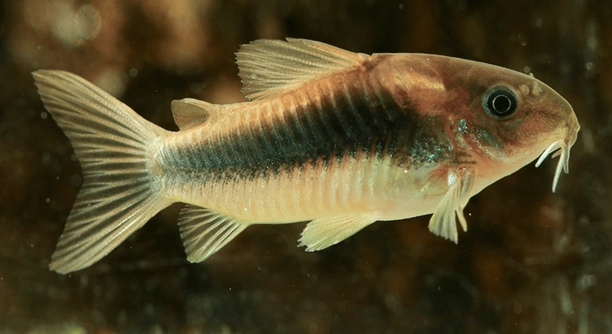
Are your Corydoras Catfish spending most of their time hiding in one corner of the tank instead of exploring it all?
Encouraging Corydoras to explore the entire tank involves optimizing their environment with proper substrate, hiding spots, consistent water parameters, and the right tank mates. These changes can positively impact their behavior and overall well-being.
Learning what motivates them can help you build a more active and enriching home for these peaceful bottom dwellers.
Add More Hiding Spots
Corydoras catfish feel safe when they have places to hide. Adding more caves, driftwood, and dense plants will help them feel less exposed. When they feel secure, they are more likely to come out and explore the tank. You can use natural décor or aquarium-safe decorations with holes and crevices. Spread the hiding spots throughout the tank, not just in one corner. This encourages movement across the space and helps reduce stress. A mix of low and tall plants, along with open swimming areas, creates a balanced environment that supports both hiding and activity. Avoid overdecorating, as it can limit swimming room.
Start with three to four hiding spots for a standard 20-gallon tank and adjust based on how the Corydoras behave.
When Corydoras know they can retreat if needed, they will spend more time moving around instead of staying hidden. Their natural curiosity increases in a well-sheltered tank.
Use a Soft, Sandy Substrate
Rough gravel can harm Corydoras’ sensitive barbels, so sand is a better option. A soft, smooth substrate encourages natural foraging behavior, which leads them to explore more of the tank bottom.
Choose a fine sand that’s easy to clean and won’t trap debris. Look for aquarium-safe options like pool filter sand or specialized substrates sold at pet stores. Rinse the sand thoroughly before adding it to the tank to prevent cloudy water. When switching from gravel to sand, consider doing it gradually to avoid stressing the fish. Once the substrate is in place, you may notice your Corydoras spending more time sifting through it. This activity mimics their natural feeding behavior in the wild. It keeps them engaged and more likely to roam across the tank. A soft substrate also prevents barbel damage, which is important for their health and comfort. Watching them dig around can also be a relaxing part of aquarium keeping.
Keep Tankmates Peaceful
Aggressive or fast-moving fish can make Corydoras stay hidden. They prefer a calm environment where they don’t feel chased or threatened. Keeping them with other peaceful species helps them feel more secure and encourages them to explore freely.
Stick to tankmates like tetras, rasboras, or other small community fish. Avoid larger, territorial species that might outcompete them for food or harass them during feeding times. Stress from poor tankmate choices can lead to hiding, reduced activity, and even health issues. A relaxed community lets Corydoras engage in natural behaviors, including group swimming and bottom exploration. They do best in groups of six or more of their own kind, and they feel more confident when surrounded by similar-sized, gentle fish. Carefully observing interactions during feeding and at rest can help you decide if a tankmate change is needed.
Once they feel safe in their environment, Corydoras will move around the tank more, especially in the lower areas. Peaceful surroundings help bring out their natural patterns and playful digging behavior. If you’ve ever seen a small group moving together in sync, you’ll know they’re feeling confident and calm.
Adjust the Lighting
Strong lighting can make Corydoras shy and inactive, especially if there isn’t enough cover. They’re more active in soft lighting or shaded areas, so dimming the lights slightly or adding floating plants can help. This simple change can encourage more movement across the tank.
Choose lighting that mimics their natural habitat—diffused and not too harsh. Floating plants like Amazon frogbit or duckweed help filter the light and provide a comfortable atmosphere. Use a timer to create a predictable light cycle, which helps them feel secure. You might notice they become more active in the early morning or evening when the lighting is softest. Some aquarium lights come with adjustable settings or modes that allow you to control brightness throughout the day. Consistency and softness are key. When they aren’t stressed by lighting, Corydoras are more likely to venture out, forage, and interact with other tankmates naturally.
Offer a Varied Diet
Feeding different types of food can make Corydoras more active. Sinking pellets, frozen bloodworms, and blanched vegetables give them reasons to move around the tank in search of food. Variety also supports their health and keeps them interested during feeding times.
Feed them in different areas of the tank to encourage movement. Instead of placing food in one spot, try spreading it out across the bottom. This simple trick helps them explore more and can reduce competition if you have multiple fish.
Maintain Consistent Water Conditions
Stable water parameters help Corydoras feel secure enough to explore. Keep the temperature between 72–78°F, with a pH between 6.5 and 7.5. Ammonia and nitrite should always be at zero, and nitrate levels should stay low. Regular water changes help with this. Sudden changes in temperature or chemistry can cause them to stay hidden. Use a reliable heater and test water weekly. A calm, clean tank encourages healthy, confident behavior. You’ll notice more activity when everything stays balanced, especially during feeding and early morning hours. Stress from unstable water conditions is a common reason for inactivity.
Create Gentle Water Flow
Corydoras prefer slow to moderate flow. A strong current can make them hide or stay in calmer corners. Use sponge filters or adjustable outputs to create a softer flow throughout the tank. This allows them to move around more comfortably.
FAQ
How many Corydoras should I keep together to make them feel safe?
Corydoras are schooling fish and do best in groups of at least six. Keeping them in a group helps reduce stress and encourages natural behaviors like synchronized swimming and group foraging. When kept alone or in very small numbers, they tend to be more timid and hide more often. A larger group helps them feel secure, which leads to more exploration across the tank. You’ll see them interacting more, and they’ll feel confident enough to explore open areas instead of just hiding in the corners or under plants.
Why do my Corydoras stay in just one area of the tank?
If your Corydoras are always in one area, it might be because that’s where they feel safest. It could also be the only area with suitable substrate, low flow, or hiding spots. Other parts of the tank might feel too bright, too open, or too crowded. Check the lighting, tankmates, water flow, and decorations. Spread out hiding spots and food sources to encourage more movement. Once they realize the rest of the tank is safe and comfortable, they’ll start exploring more regularly.
Do Corydoras need plants in their tank?
Yes, live or artificial plants help make Corydoras feel more secure. Plants provide shelter, reduce lighting intensity, and help create natural-looking environments. Low-light plants like Anubias, Java fern, and Amazon swords work well. Floating plants are also helpful because they soften the lighting, which makes Corydoras more likely to come out. Having plants placed across different areas of the tank also encourages them to explore, especially when combined with scattered feeding.
What kind of lighting do Corydoras prefer?
Corydoras prefer soft, low to moderate lighting. Harsh lighting can make them nervous and cause them to stay hidden. Floating plants or adjustable LED lights help diffuse the brightness. You can also provide shaded areas using décor like caves or driftwood. Try to keep the lighting consistent each day with a timer. Dim lighting in the morning and evening often brings out more active behavior, especially if paired with feeding.
Is sand really better than gravel for Corydoras?
Yes, sand is much better for their sensitive barbels. Gravel can cause damage over time, especially sharp or rough pieces. Corydoras like to sift through the substrate to find food, and sand lets them do this comfortably. Choose soft, fine sand and rinse it well before adding it to your tank. With sand, you’ll notice them foraging more often and covering more ground.
How do I tell if my Corydoras are stressed?
Signs of stress include hiding constantly, clamped fins, rapid breathing, or staying in one spot for long periods. They may also refuse food. Stress can be caused by poor water quality, strong currents, aggressive tankmates, or sudden changes in the environment. Always check water parameters first, then observe tank dynamics. A calm and consistent setup usually keeps them healthy and active.
Can I keep Corydoras in a tank with strong water flow?
They prefer slow to moderate flow. Strong currents can exhaust them and make it hard to move around, especially along the bottom of the tank. Use sponge filters, pre-filter sponges on intakes, or flow diverters to soften the movement. In tanks with adjustable filters, aim the output toward a wall or use plants and rocks to break up the flow. This will help them feel more comfortable exploring.
How often should I feed Corydoras?
Feed them once or twice a day with small portions. Make sure food reaches the bottom where they can find it. Use sinking pellets, wafers, or small frozen foods. Overfeeding can lead to poor water quality, which will discourage activity. Rotate food types during the week to keep them engaged and ensure a balanced diet.
Why don’t my Corydoras explore during the day?
Corydoras can be more active at dawn and dusk, especially if your lighting is bright. If they’re not moving around during the day, the light might be too strong, or they may feel exposed. Adding floating plants and dimming the light can help. Also, check if tankmates are bothering them or if the water flow is too strong during those hours.
Do they need a specific temperature range to stay active?
Yes, keeping the tank at a steady temperature between 72–78°F is important. Sudden changes or temperatures outside this range can slow their activity. Use a reliable heater and thermometer to monitor the temperature daily. Slight seasonal changes are okay, but stability is key. When the temperature stays within their comfort zone, they’ll move around more and show natural foraging behavior.
Final Thoughts
Corydoras catfish are peaceful, social, and curious fish that can be very active when they feel safe and comfortable. Their behavior often reflects how well their environment meets their needs. If they are hiding all the time or only staying in one spot, it may be a sign that something in the tank setup isn’t working for them. Making small adjustments—like changing the substrate, adding hiding spots, lowering the lighting, or choosing better tankmates—can make a big difference. These changes are usually simple to make and can improve your Corydoras’ quality of life.
Creating a tank that encourages natural behavior doesn’t have to be complicated. Corydoras thrive in tanks that have soft sand, gentle water flow, clean water, and consistent temperatures. They are also much more confident in groups of six or more. When they feel secure, you’ll often see them swimming together, foraging in the substrate, and exploring the entire tank. Feeding them a varied diet and spreading out food helps keep them active and curious. Even something as small as changing the time of day you feed them or adjusting the lighting can help them feel more comfortable.
Watching Corydoras explore their space and interact with each other is one of the most enjoyable parts of keeping them. When they feel safe, they are playful and full of personality. By understanding their needs and making small changes, you can support their natural behavior and help them feel at home. Their activity level is often a sign of how happy and healthy they are. A peaceful, well-planned tank will not only benefit your Corydoras but also create a calm and balanced environment for the rest of your aquatic pets. It’s worth taking the time to observe their behavior, adjust the tank when needed, and keep things consistent. Over time, you’ll see your Corydoras grow more active, confident, and engaging.

Hello,
If you enjoy the content that we create, please consider saying a "Thank You!" by leaving a tip.
Every little bit helps us continue crafting quality advice that supports the health, happiness, and well-being of pets around the world, for pets of all shapes, sizes, and species.
We really appreciate the kindness and support that you show us!