
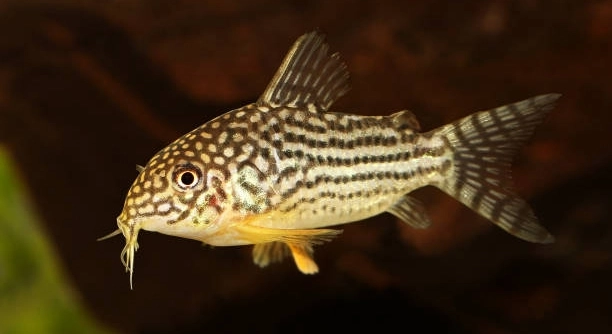
Sometimes, Corydoras catfish might swim near the surface of the aquarium. This behavior can be puzzling for aquarium owners. Understanding the possible reasons behind it can help you maintain a healthier environment for your fish.
Corydoras catfish swimming near the surface is often due to insufficient oxygen levels in the water. These fish may seek more oxygenated areas when the water quality is poor, or if there are high temperatures, creating a need for surface air.
This article will highlight the reasons behind your Corydoras catfish’s surface-swimming behavior. By exploring these factors, you’ll gain a better understanding of what might be affecting their health and how to improve their conditions.
Poor Water Quality
When the water quality in an aquarium is compromised, Corydoras catfish may swim near the surface to find cleaner, oxygen-rich water. This happens when the water becomes too polluted, which can lower the dissolved oxygen levels. Ammonia, nitrites, and nitrates from waste build-up can also stress your fish and cause them to seek higher oxygen areas. You may notice this behavior more frequently after a water change or if the tank hasn’t been cleaned properly for a while. To keep the fish healthy, regular water changes and proper filtration are essential.
The buildup of waste in the water can also lead to algae growth, reducing the oxygen available for the fish. Monitoring your aquarium’s water parameters can help prevent this issue. Test kits are available to measure ammonia, nitrate, nitrite, and pH levels, which should be kept at optimal levels for the fish.
To keep your Corydoras catfish safe, invest in a good filtration system and keep the water clean. By ensuring a stable and healthy environment, you reduce the likelihood of them searching for better water quality near the surface.
High Water Temperature
Another reason for surface swimming is water temperature. Corydoras catfish prefer cooler water, usually between 72-78°F (22-26°C). If the tank becomes too warm, the oxygen levels decrease, which can force your catfish to swim closer to the surface to get more oxygen.
In an environment that’s too warm, the fish may become stressed, which can negatively affect their health. During summer months, when the temperature of your home rises, it’s important to monitor your aquarium temperature and make adjustments if needed. You can use fans, air conditioning, or even a water chiller to maintain the right temperature.
Sometimes, the water might appear cooler at the surface, but it may not be sufficient for the catfish to thrive. Adding live plants to the aquarium can help cool the water and provide a more stable environment for the fish. Regularly checking the temperature with a thermometer ensures you can act quickly if it exceeds the ideal range for your fish.
Lack of Oxygen
If your Corydoras catfish are swimming near the surface, it could be because there isn’t enough oxygen in the water. These fish need well-oxygenated water to stay healthy. Low oxygen levels are common in tanks that are overcrowded or have poor water circulation.
To fix this, increase water movement by adjusting your filter or adding an air pump to enhance oxygenation. Surface agitation also helps introduce more oxygen into the water, allowing your fish to breathe easier. Don’t forget to check for any blockages in the filter, as it can impact water flow and oxygen levels.
Maintaining proper aeration and avoiding overcrowding ensures your fish won’t be forced to seek oxygen at the surface. Keep an eye on your aquarium’s filtration system and clean it regularly to avoid oxygen deprivation. Healthy water conditions are key to keeping your Corydoras active and content.
Stress or Illness
Stress or illness can also make Corydoras catfish swim near the surface. If the fish are constantly disturbed by environmental factors such as aggressive tankmates or loud noises, they may react by staying closer to the water’s surface.
Illness can also contribute to abnormal behavior. When Corydoras feel unwell, they may try to find an area with more oxygen or calm water. Symptoms of stress or sickness include lethargy, loss of appetite, and changes in swimming behavior. If you notice these signs, it’s important to investigate possible causes.
Monitoring their environment and checking for signs of disease can help. Properly quarantining new fish and avoiding overcrowding can also reduce stress. In case of illness, isolating the affected fish can prevent the spread of diseases and help them recover faster.
Tank Size and Overcrowding
Corydoras catfish may swim near the surface if their tank is too small or overcrowded. Limited space forces them to compete for oxygen and territory. This behavior is often seen when the fish feel cramped or stressed by their environment.
If your tank is too small, it’s important to upgrade to a larger one. Adding more hiding spots and plants can also help them feel secure and reduce competition for space. Ensure your tank has enough surface area for proper gas exchange. If overcrowding is an issue, consider reducing the number of fish.
A spacious, well-planted tank with fewer fish will encourage your Corydoras to behave naturally and reduce the chances of surface swimming. Giving them room to move freely promotes better health.
Inadequate Filtration
Poor filtration can lead to low water quality and affect your Corydoras catfish. If the filter isn’t working properly, waste accumulates, reducing oxygen levels and making the water unhealthy.
Check if your filter is running efficiently and replace it if necessary. Ensure it is the right size for your tank to handle the bio-load. Regular maintenance, such as cleaning the filter and checking water flow, will ensure that your fish are in a stable, clean environment.
Poor Water Surface Agitation
Water surface agitation helps in oxygen exchange. Without enough movement, the water may become stagnant and deprive your fish of fresh oxygen. Corydoras tend to swim near the surface in search of better air.
Ensure the filter or air pump creates gentle water movement on the surface. This improves oxygen circulation and prevents your Corydoras from feeling the need to surface swim.
FAQ
Why are my Corydoras catfish swimming near the surface?
Corydoras catfish swim near the surface mainly to find better oxygen levels. If the oxygen in the tank is low, the fish will naturally look for areas where the water is better oxygenated, often near the surface. Other reasons include high water temperature, poor water quality, and stress. Monitoring and improving the water conditions can help resolve this issue.
What should I do if my Corydoras catfish is swimming near the surface?
The first step is to check the water quality and oxygen levels in your tank. Test the ammonia, nitrite, nitrate, and pH levels to ensure they are within safe ranges. If the oxygen level is low, consider increasing water movement with a filter or air pump. Adjust the water temperature if it’s too high and clean the tank to reduce pollutants.
How do I know if my Corydoras catfish is stressed?
Stressed Corydoras may exhibit signs like swimming erratically, staying near the surface, hiding excessively, or appearing lethargic. They might also refuse food or show signs of rapid breathing. Identifying stress early allows you to take action, such as adjusting water parameters, reducing tankmate aggression, or providing more hiding spots.
Can I fix the problem by increasing water surface agitation?
Yes, increasing surface agitation can help improve oxygen exchange in the aquarium. This can be done by adjusting the filter output or adding an air stone or air pump. Surface agitation encourages oxygen exchange, which can help Corydoras breathe more easily and avoid surface swimming.
How can I reduce overcrowding in my aquarium?
Overcrowding is a common cause of stress in Corydoras. If your tank is too small or you have too many fish, consider upgrading to a larger tank. You can also reduce the number of fish or ensure there is enough space and hiding spots for everyone. Proper stocking levels reduce stress and allow for more comfortable living conditions.
What is the best water temperature for Corydoras catfish?
Corydoras catfish thrive in water temperatures between 72°F and 78°F (22°C to 26°C). Temperatures outside of this range can cause stress, lower oxygen levels, and force the fish to the surface in search of better conditions. Ensure your tank remains within this ideal range for their well-being.
Why is my Corydoras catfish swimming at the surface after a water change?
After a water change, the oxygen levels in the tank may fluctuate. If the tank wasn’t properly aerated, the water might have lower oxygen content, which would lead your Corydoras to swim near the surface. It’s important to monitor water quality and oxygen levels immediately after changes.
How do I improve oxygen levels in my aquarium?
To improve oxygen levels, make sure the filter is working efficiently and creates surface agitation. Adding an air pump or air stone can help increase oxygen in the water. A well-maintained filtration system and proper water circulation will ensure adequate oxygen levels for your Corydoras.
Is my Corydoras catfish sick if it is swimming near the surface?
Not necessarily. While illness can cause abnormal behavior, Corydoras swimming near the surface is often linked to water quality or environmental stress. However, if you notice other symptoms like discoloration, reduced activity, or loss of appetite, it’s important to check for signs of illness and take action.
How often should I clean the tank to prevent surface swimming?
Regular tank maintenance is crucial for preventing surface swimming. Clean the tank at least once a week, especially if you have many fish. This includes removing excess debris, cleaning the substrate, and changing 25% to 50% of the water. Regular water tests should also be part of your routine to ensure optimal conditions for your fish.
Can tankmates cause Corydoras to swim near the surface?
Yes, aggressive tankmates can stress Corydoras and cause them to swim near the surface. These catfish prefer peaceful environments, so adding aggressive or territorial species may lead to stress. Always research the compatibility of tankmates before introducing new fish to the aquarium to prevent issues.
How do I fix poor water quality in my tank?
To improve water quality, start by performing regular water changes to remove toxins like ammonia and nitrates. Clean the filter and ensure it’s the appropriate size for your tank. Adding live plants can also help improve water quality by absorbing excess nutrients and providing natural filtration. Regular monitoring of water parameters is essential.
Can I use a water chiller to control temperature for my Corydoras?
Yes, using a water chiller can be beneficial, especially during warm months when temperatures may rise too high. Corydoras catfish prefer cooler water, and a chiller helps maintain a stable temperature range. Ensure the chiller is suitable for the size of your tank and monitor the temperature regularly.
Do Corydoras catfish need a lot of hiding spots?
Yes, Corydoras feel safer when they have plenty of hiding spots, especially in a community tank. Providing caves, rocks, or plants can help them feel secure and reduce stress. This also reduces the likelihood of them swimming near the surface due to stress from other fish.
How can I tell if my Corydoras catfish has enough oxygen in the water?
If your Corydoras are swimming at the surface or breathing heavily, it might be an indicator that the oxygen levels are low. The fish will generally stay in the lower levels of the tank if oxygen levels are healthy. A reliable air pump or filter can help maintain proper oxygen levels.
Why do my Corydoras keep swimming near the surface even though the water seems fine?
Even if the water quality appears fine, changes in the tank environment could still cause stress. Factors like sudden temperature changes, loud noises, or aggressive tankmates can make the fish seek more oxygen or a safer space. Ensure your Corydoras are in a peaceful, stable environment to prevent this behavior.
Can Corydoras catfish survive in a tank with low oxygen levels?
Corydoras can survive for short periods in low oxygen environments, but they will become stressed over time. Long-term exposure to low oxygen levels can negatively impact their health. It’s essential to provide them with the proper aeration and filtration system to ensure they thrive in your tank.
Final Thoughts
Corydoras catfish are hardy and peaceful fish that usually thrive in well-maintained aquariums. However, when they start swimming near the surface, it often indicates an underlying issue with their environment. Whether it’s poor water quality, low oxygen levels, high temperatures, or stress, identifying the cause is the first step toward solving the problem. Regular tank maintenance, monitoring water parameters, and ensuring proper aeration are key to keeping your Corydoras healthy and happy. With a little attention to their needs, you can prevent this surface-swimming behavior and promote a stable, stress-free environment for them.
It’s also important to recognize that Corydoras are bottom-dwelling fish. They prefer swimming closer to the substrate, searching for food and hiding in caves or plants. If they’re spending more time at the surface, this unnatural behavior is often a sign that something isn’t right in the tank. The most common causes are usually related to water quality and oxygen availability, but stress from tankmates or inadequate space can also play a role. Therefore, it’s essential to regularly assess the health of your aquarium and make necessary adjustments. Small changes, like adding a filter with better water flow or reducing overcrowding, can make a big difference in the well-being of your fish.
By paying close attention to the signs your Corydoras catfish give you, such as surface swimming, you can act quickly to fix the issue before it affects their health long-term. Always ensure they are in a stable and clean environment, where water parameters are ideal and they have enough space and hiding spots. Keeping your fish in a balanced aquarium, free from excess stressors, will not only solve the problem of surface swimming but also help them live a long, healthy life in your care.

Hello,
If you enjoy the content that we create, please consider saying a "Thank You!" by leaving a tip.
Every little bit helps us continue crafting quality advice that supports the health, happiness, and well-being of pets around the world, for pets of all shapes, sizes, and species.
We really appreciate the kindness and support that you show us!