
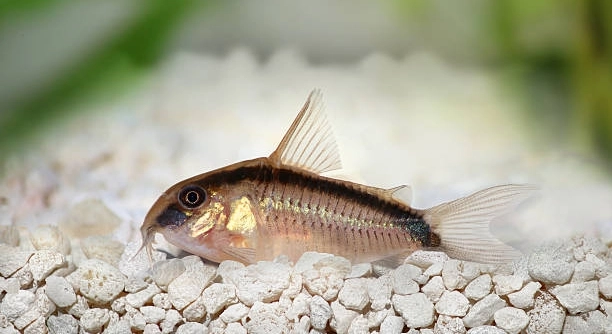
Corydoras catfish are popular aquarium pets known for their peaceful nature and unique behavior. However, you may notice that they often stay at the bottom of the tank. This behavior can raise some concerns for aquarists.
Corydoras catfish typically stay at the bottom due to their natural behavior and instincts. They are bottom dwellers that feed on small particles and detritus found at the tank’s substrate. Additionally, they prefer hiding in dark spaces for comfort.
Understanding why your Corydoras catfish prefers the bottom of the tank can help you address any underlying issues. By recognizing their behavior, you can ensure a healthier and more comfortable environment for your fish.
Natural Behavior of Corydoras Catfish
Corydoras catfish are naturally bottom-dwelling fish. They are known to spend most of their time near the substrate of their tanks. This behavior is rooted in their evolutionary habits. In the wild, Corydoras typically live in slow-moving rivers and streams, where they forage for food along the bottom. They are well adapted to this environment, using their barbels to detect small food particles buried in the substrate. The bottom of the tank offers them a sense of security, as they can hide among plants or decorations.
While they may stay at the bottom frequently, this is normal for them. They are not always actively swimming, unlike some other species of fish. Instead, they often rest or scavenge for food, keeping close to the tank floor. Their behavior is a sign that they are comfortable and behaving naturally, as long as their environment meets their needs.
Keeping their tank environment clean and providing plenty of hiding spots can encourage more natural activity. Corydoras are peaceful and low-maintenance fish, so ensuring they have the right conditions will help them thrive.
Water Conditions and Stress
Water quality can have a significant impact on a Corydoras catfish’s behavior.
Corydoras are sensitive to water conditions, and poor water quality can cause stress. If your catfish seem to be spending more time at the bottom, it could be due to improper water parameters, like high ammonia, nitrites, or low oxygen levels. These conditions can cause discomfort, leading them to stay at the bottom where the water may be calmer.
Make sure to regularly test the water for pH, temperature, and chemical levels to ensure a healthy environment. These fish prefer well-oxygenated water and thrive in temperatures ranging from 72°F to 78°F. If the water is not maintained properly, Corydoras will likely seek shelter at the bottom of the tank to avoid areas with poor water flow. Keeping the water clean and filtered is crucial for their well-being.
Illness or Injury
When a Corydoras catfish is unwell, it may spend more time at the bottom of the tank. Fish that are sick tend to move less and stay close to areas where they feel safer. If your Corydoras is sluggish, has difficulty swimming, or is avoiding other fish, it could be a sign of illness.
Common issues that cause this behavior include swim bladder problems, parasites, or fungal infections. These conditions can affect a fish’s buoyancy and overall activity levels, making them retreat to the tank’s bottom. Observing any unusual signs, such as pale gills, lack of appetite, or strange swimming patterns, is important. If you notice any of these, you may need to isolate your fish and treat it for the specific illness.
Keep an eye on any changes in their behavior. Early detection of illnesses can make a big difference in the treatment process, helping your fish recover more quickly and preventing other fish in the tank from being affected.
Tank Mates and Social Behavior
Sometimes, Corydoras prefer to stay at the bottom due to the behavior of their tank mates. Corydoras are peaceful fish and do not enjoy being in environments with aggressive species. If you have fast swimmers or more dominant fish in the tank, your catfish might feel intimidated.
Tank mates like large or territorial fish can cause stress, making Corydoras retreat to the bottom. Corydoras are social fish and enjoy the company of their own kind, so it’s important to have more than one in a tank. However, if they are housed with fish that are overly aggressive, they may hide to avoid conflict. Providing hiding spots, like caves or plants, can help them feel safer and reduce stress.
It’s important to select appropriate tank mates for Corydoras to ensure they feel comfortable and are not driven to the bottom due to fear. Avoid keeping them with overly aggressive fish or fish that are likely to outcompete them for food.
Feeding Habits
Corydoras catfish are bottom feeders and spend a lot of time foraging for food along the tank’s substrate. This is a natural part of their behavior. If you notice your Corydoras staying at the bottom, it may be due to the fact that they are searching for food.
If your Corydoras isn’t getting enough food, it will stay at the bottom looking for crumbs or leftover particles. These fish are scavengers and need a variety of food sources like sinking pellets, live food, or food that reaches the tank’s bottom. Make sure you’re feeding them appropriately and at the right times.
Providing sinking food will allow them to feed in a way that feels natural. If their diet is not sufficient or lacks variety, they might spend more time at the bottom to search for something to eat.
Tank Size and Space
Corydoras need enough space to move around, especially if they are kept in groups. A cramped tank can make them feel stressed, encouraging them to stay at the bottom more often.
Having a larger tank provides the Corydoras with more room to explore and helps reduce the chance of them staying in one spot. If your tank is too small, the lack of space might prevent them from swimming freely and cause them to retreat to the bottom. Make sure the tank size is appropriate for the number of fish you have.
A spacious tank with enough swimming space helps Corydoras feel more comfortable and less likely to stay at the bottom.
Oxygen Levels
Corydoras catfish require well-oxygenated water to stay active. If the oxygen levels are low in your tank, they might seek out the bottom, where the water may feel more stable.
A drop in oxygen can happen if the water is stagnant, especially in tanks with poor water movement. Corydoras may also stay at the bottom in search of areas where the oxygen levels are better. To improve the situation, you should ensure proper water flow and aeration. This helps maintain oxygen levels at the right level for all fish, including Corydoras. Adding an air pump or adjusting the filter may help improve circulation.
FAQ
Why is my Corydoras catfish always at the bottom of the tank?
Corydoras catfish are naturally bottom-dwelling fish. They spend most of their time scavenging and foraging on the substrate for food. If your Corydoras is always at the bottom, it’s likely just behaving normally. They prefer these areas because they can find food and feel more secure there. However, if they stay at the bottom for extended periods without moving much, it could indicate other issues like stress, illness, or poor water conditions.
Can Corydoras catfish get bored and stay at the bottom?
Yes, Corydoras can get bored, especially if their environment lacks stimulation. While they are not as active as some other fish, they still enjoy exploring and interacting with their surroundings. If your Corydoras stays at the bottom for long periods without exploring, it might be a sign of boredom. Adding new hiding spots, plants, or even tank mates can help keep them entertained.
How do I know if my Corydoras catfish is stressed?
Stress in Corydoras can cause them to stay at the bottom more often. If your catfish shows signs like excessive hiding, erratic swimming, or lack of appetite, it could be stressed. Other stress signs include faded colors, clamped fins, or rapid breathing. The main causes of stress are poor water conditions, aggressive tank mates, or insufficient space.
How can I improve the water quality for my Corydoras?
Corydoras are very sensitive to water quality, so maintaining clean, well-filtered water is essential. Regularly test your water for ammonia, nitrites, and nitrates, and ensure they are within safe ranges. They prefer slightly acidic to neutral water, so monitor pH levels as well. Perform regular water changes to remove toxins and maintain oxygen levels. A reliable filter and proper tank maintenance are key to keeping the water quality optimal.
Can Corydoras catfish live with other fish?
Corydoras are peaceful and generally do well with a variety of tank mates, especially species that won’t outcompete them for food. Avoid keeping them with aggressive or large fish that might intimidate them. Fish like tetras, rasboras, and guppies make good tank mates for Corydoras. Just be sure that the other fish are not too fast or dominant in the tank.
Is it normal for my Corydoras catfish to swim in groups?
Yes, Corydoras are social fish and thrive in groups. They feel safer and more comfortable when they have the company of their own kind. A group of 4 or more is recommended, as they will interact with each other, forage together, and reduce stress. Corydoras are happiest when kept in schools, so consider adding a few more to your tank.
Why is my Corydoras staying at the bottom and not eating?
If your Corydoras is staying at the bottom and not eating, it may be dealing with health issues or environmental stress. Illnesses, water quality problems, or competition for food can cause this behavior. Ensure your fish has access to food that sinks to the bottom, as they are bottom feeders. If the problem persists, check for symptoms like pale gills, bloating, or unusual behavior and treat accordingly.
How often should I feed my Corydoras catfish?
Corydoras should be fed small amounts once or twice a day. They are scavengers, so they will typically find food at the bottom of the tank. Offer sinking pellets, live food, or vegetables like blanched zucchini or peas. It’s important not to overfeed, as excess food can pollute the water. Feeding should be adjusted to ensure that your Corydoras is getting enough nutrition without leaving excess food in the tank.
What temperature should I keep my tank for Corydoras catfish?
Corydoras prefer a water temperature range of 72°F to 78°F (22°C to 26°C). Keeping the water within this range will ensure they are comfortable and active. If the water is too cold or too hot, it can cause stress and reduce their overall health. You may need a heater to maintain stable temperatures, especially in cooler rooms.
Can Corydoras catfish live with snails?
Yes, Corydoras can live with snails, and many aquarists keep them together. Snails typically won’t bother Corydoras, and the fish may even help clean up leftover food that snails leave behind. Just be cautious when selecting snail species, as some types might reproduce too quickly or grow too large for your tank.
Final Thoughts
Corydoras catfish are fascinating and low-maintenance fish that can thrive in many home aquariums. Their natural behavior involves staying near the bottom of the tank, where they feel most comfortable. This is not usually a sign of a problem but rather a normal part of their feeding and resting habits. They are bottom dwellers by nature, using their barbels to search for food particles and detritus on the substrate. If you notice your Corydoras spending most of its time at the bottom, it’s likely just behaving as it should, unless accompanied by other concerning signs.
However, it’s still important to keep an eye on their environment. Corydoras are sensitive to water conditions, and poor water quality can lead them to stay at the bottom more than usual. Always ensure that the tank has proper filtration, clean water, and the right temperature and pH levels. Regular water changes and monitoring ammonia and nitrate levels will help keep your Corydoras healthy and active. If water conditions are optimal, they will be more likely to swim around and engage in normal behavior, such as interacting with other fish or exploring their surroundings.
If your Corydoras catfish does not seem to be behaving normally, such as staying at the bottom for long periods without eating or showing signs of illness, it’s important to address the issue. Stress, illness, and tank mates can contribute to changes in behavior. Make sure your fish has adequate food, space, and compatible companions. Additionally, keeping their tank environment well-maintained with proper filtration and oxygenation is essential to their well-being. By understanding the reasons behind their bottom-dwelling behavior and maintaining the right environment, you can help your Corydoras live a long, healthy, and comfortable life.

Hello,
If you enjoy the content that we create, please consider saying a "Thank You!" by leaving a tip.
Every little bit helps us continue crafting quality advice that supports the health, happiness, and well-being of pets around the world, for pets of all shapes, sizes, and species.
We really appreciate the kindness and support that you show us!