
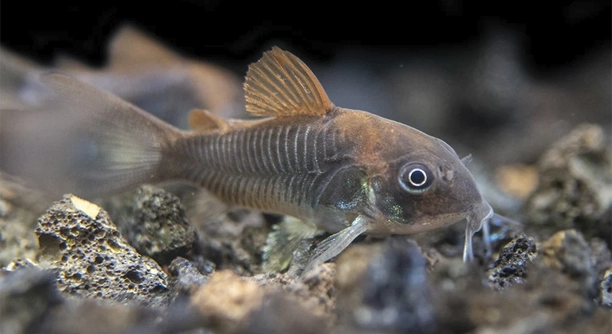
Keeping your Corydoras catfish safe is crucial for their well-being in your aquarium. These small, sensitive fish require specific care to avoid harm from common tank hazards. Proper knowledge can ensure their long-term health and happiness.
To keep Corydoras catfish safe from tank hazards, maintain clean water, provide hiding spots, avoid sharp objects, ensure proper water temperature, use gentle filtration, limit exposure to chemicals, and avoid aggressive tank mates. These measures promote their well-being.
By taking simple steps, you can reduce risks and create a safe environment for your Corydoras. This ensures they thrive in their aquatic home.
Keeping Water Clean and Clear
Maintaining clean water is one of the most important factors in keeping your Corydoras catfish safe. Regular water changes help remove harmful toxins and debris that can negatively impact their health. Be sure to monitor the water’s pH, ammonia, nitrite, and nitrate levels, as imbalances can lead to stress or disease. Additionally, using a water conditioner to neutralize harmful chemicals is a good practice. Keep an eye on water temperature, too—Corydoras thrive in a range between 72°F and 78°F. Regular testing ensures that the water remains within safe parameters for these sensitive fish.
Make sure the water temperature stays stable by using a reliable heater. Sudden temperature fluctuations can stress your catfish, leading to health problems.
Water quality is essential for their health. Keeping the tank free of debris, and ensuring the water’s chemical balance is correct, helps your catfish feel safe and thrive in their environment.
Providing Hiding Spots
Corydoras catfish are naturally shy and prefer environments with plenty of hiding spots. Adding plants, caves, or other decorations to the tank creates places for them to retreat when they feel threatened. This reduces stress and allows them to feel more secure in their space.
Providing hiding places not only supports their psychological well-being, but it also offers protection from more aggressive tank mates. These spaces allow Corydoras to escape to safety when they feel exposed or vulnerable. Make sure the hiding spots are easy to access and large enough for them to feel comfortable.
When choosing decorations or plants for your Corydoras tank, avoid sharp objects or anything that could potentially harm them. Smooth surfaces are best, as they help prevent injuries while the fish explore their habitat.
Avoiding Sharp Objects
Sharp objects in the tank can easily harm Corydoras catfish. Their sensitive bodies can get scratched or injured by jagged rocks, ornaments, or gravel with rough edges. It’s important to choose smooth decorations and gravel to create a safe environment for your fish.
Sharp items can lead to infections, causing stress and even death if left unchecked. Always inspect your tank’s contents to ensure there are no sharp edges that could cause harm. Soft, rounded gravel or sand provides a safer environment for Corydoras. Additionally, smooth decorations like resin caves or plastic plants help reduce injury risks.
When selecting tank equipment, make sure there are no exposed sharp edges. Even common aquarium tools like filter intakes or suction cups should be checked for safety. Keeping your Corydoras safe from sharp objects will promote their health and comfort, allowing them to move freely and without fear of injury.
Proper Water Temperature
Corydoras thrive in water that is consistently warm but not too hot. A steady water temperature between 72°F and 78°F is ideal. Fluctuations outside this range can stress your fish, making them more vulnerable to diseases and infections.
Maintaining a consistent water temperature is crucial for Corydoras catfish to avoid temperature-related stress. Use a reliable aquarium heater to keep the water at the right temperature, and place a thermometer in the tank to monitor it closely. Never let the temperature drop too low, as Corydoras can become sluggish and less active when they’re too cold. On the other hand, if the water becomes too hot, they may become agitated and stressed.
To ensure proper temperature regulation, always check the heater’s settings and test the water regularly. A stable environment helps keep Corydoras active and healthy, preventing issues like rapid breathing or loss of appetite.
Gentle Filtration
Corydoras catfish prefer slow-moving water, so it’s important to choose a gentle filter. A filter with high flow can stress them out and cause them to avoid certain areas of the tank. Use a filter rated for your tank size but with adjustable flow settings to keep things calm.
Make sure the filter’s output doesn’t create strong currents that might stress your fish. You can also place a sponge filter in the tank to ensure the water remains clean without disturbing your catfish. This creates a peaceful environment where Corydoras can swim freely.
Tank Mates
Corydoras are peaceful fish, so it’s important to choose compatible tank mates. Avoid aggressive or territorial fish that might nip at or chase your catfish. Other peaceful species, such as tetras or other small catfish, make good companions.
Aggressive tank mates can cause significant stress, leading to illness or injury. Ensure that all fish in the tank are compatible with Corydoras in size and temperament. Keeping these gentle fish with peaceful species helps maintain harmony in the tank. Additionally, avoid keeping them with fin-nippers that could cause unnecessary harm.
FAQ
How often should I change the water for my Corydoras tank?
Water changes should be done regularly to maintain clean and healthy conditions. Aim for a 25% to 30% water change every week, depending on your tank’s size and stocking level. This helps prevent the buildup of harmful toxins like ammonia, nitrites, and nitrates, which can affect your Corydoras’ health. Ensure that the new water matches the temperature and pH of the tank to avoid causing stress or shock to the fish. If you notice water getting cloudy or a sudden increase in algae, more frequent water changes may be necessary.
What should I feed my Corydoras catfish?
Corydoras are omnivores and thrive on a varied diet. They enjoy sinking pellets or wafers designed for bottom feeders, but they will also eat live or frozen foods like brine shrimp, daphnia, and bloodworms. Additionally, they will nibble on vegetables like blanched spinach or zucchini. Ensure that any leftover food is removed to prevent water pollution. A varied diet will help keep your Corydoras healthy and active. Avoid overfeeding, as excess food can lead to poor water quality, which can negatively affect their health.
Can Corydoras live with other fish?
Yes, Corydoras are peaceful and social fish. They do well in community tanks with other non-aggressive species. Best tank mates include small, peaceful fish like tetras, gouramis, and other bottom dwellers. Avoid aggressive or fin-nipping species, as these can stress your Corydoras. The key is to select fish with similar care requirements, including water temperature, pH, and hardness. Corydoras are social and prefer to be kept in groups, so having at least three or more can help them feel secure in a tank with other peaceful species.
What size tank do Corydoras need?
Corydoras can be kept in a tank as small as 20 gallons, but a larger tank will provide better water stability and more space for them to swim and forage. A tank of 30 gallons or more is ideal, especially if you have multiple Corydoras. Keep in mind that Corydoras are bottom-dwelling fish, so ensure there’s plenty of substrate and hiding spots. A larger tank will also allow you to add more tank mates without overcrowding. The bigger the tank, the easier it is to maintain good water quality, which is crucial for Corydoras health.
Do Corydoras need a heater?
Corydoras are tropical fish that need warm water to thrive, with a temperature range between 72°F and 78°F. In most cases, a heater is necessary to maintain a consistent water temperature. Ensure the heater is appropriate for the size of your tank and is adjustable to avoid extreme temperature fluctuations. Corydoras are sensitive to temperature changes, and sudden shifts can cause stress. A stable temperature is essential for their health, helping to prevent illnesses that could result from an unstable environment.
How do I prevent injuries in my Corydoras tank?
To prevent injuries, ensure the tank is free from sharp objects or decorations with rough edges. Corydoras are bottom dwellers, and they often dig around the substrate, which can lead to cuts or scrapes on sharp materials. Use smooth gravel or sand as substrate to prevent injury. Additionally, ensure that any decorations or tank equipment like filters and heaters have smooth surfaces. Avoid objects with jagged edges that could harm your catfish. Regularly check your tank for any potential hazards that might cause harm to your Corydoras.
Are Corydoras sensitive to water quality?
Yes, Corydoras are very sensitive to poor water quality. They can easily become stressed in tanks with high ammonia, nitrite, or nitrate levels. Regular water testing is crucial to ensure that the water remains clean and within safe parameters. Additionally, Corydoras prefer stable water conditions, including stable pH and temperature. Water changes and filtration are essential in maintaining a healthy environment. If you notice your Corydoras acting lethargic or showing signs of illness, it’s a good idea to test the water and address any issues immediately.
Do Corydoras catfish require special lighting?
Corydoras catfish do not require special lighting. They are most active during low-light conditions, as they are nocturnal feeders. However, standard aquarium lighting is fine as long as it provides a natural day-night cycle. Avoid overly bright lights, as this can stress them out. A gentle lighting setup is ideal, especially if you have live plants in the tank. It’s important to also provide shaded areas where Corydoras can retreat, as this will help reduce stress and mimic their natural environment. The right lighting ensures a more comfortable setting for your fish.
How do I ensure my Corydoras are healthy?
To ensure your Corydoras stay healthy, maintain a stable and clean tank environment with proper water parameters. Regular water changes, good filtration, and proper tank temperature are key. Provide them with a balanced diet, including sinking pellets, live or frozen foods, and occasional vegetables. Keep the tank free from sharp objects and stressors like aggressive tank mates. Monitoring their behavior and appearance regularly can help you spot early signs of illness, such as lethargy, loss of appetite, or unusual swimming patterns. Taking these steps will keep your Corydoras happy and thriving.
Final Thoughts
Corydoras catfish are hardy and peaceful creatures that make excellent additions to community aquariums. Their friendly nature and bottom-dwelling habits make them unique tank mates for other peaceful species. However, they do require specific care to ensure they stay healthy and happy. By paying attention to their needs, including water quality, proper filtration, and suitable tank mates, you can create an environment where they will thrive. Keeping Corydoras in a well-maintained tank with appropriate care will also reduce the risk of illness and injury, helping them live long, healthy lives.
Maintaining a stable and clean environment is the key to a thriving Corydoras population. Regular water changes, gentle filtration, and a well-balanced diet are essential for keeping them active and free of stress. Additionally, it’s important to avoid sharp objects, maintain an appropriate water temperature, and carefully choose tank mates that won’t cause harm. Corydoras are social fish, so they feel more secure when kept in groups of at least three. By following these simple guidelines, you can ensure that your Corydoras catfish remain content and healthy in their home aquarium.
In conclusion, Corydoras catfish are relatively easy to care for when their basic needs are met. Providing a safe, peaceful, and clean environment will not only protect them from harm but also create a positive experience for aquarium owners. With proper attention to their health, diet, and living conditions, Corydoras can live harmoniously in your tank for years to come. Regular monitoring of their behavior and the water conditions will ensure they continue to thrive in their aquatic home.

Hello,
If you enjoy the content that we create, please consider saying a "Thank You!" by leaving a tip.
Every little bit helps us continue crafting quality advice that supports the health, happiness, and well-being of pets around the world, for pets of all shapes, sizes, and species.
We really appreciate the kindness and support that you show us!