
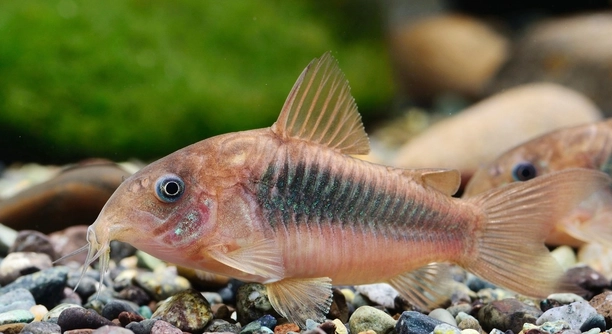
Corydoras catfish are popular aquarium fish, known for their peaceful nature and distinctive behaviors. Encouraging them to breed successfully can be a rewarding challenge for fishkeepers looking to expand their tanks. Understanding their needs is key.
The main factors that contribute to successful Corydoras breeding are water quality, temperature, diet, and creating the right environment. Providing stable conditions that mimic their natural habitat will help ensure that they feel comfortable enough to reproduce.
Setting up the perfect environment for Corydoras catfish doesn’t have to be complicated. Simple adjustments to their surroundings can make a huge difference in their breeding success.
Water Quality: The Foundation for Healthy Breeding
Water quality plays a crucial role in the overall health and breeding success of Corydoras catfish. These fish are sensitive to water changes, so keeping their environment clean is essential. To encourage breeding, maintain stable water conditions by performing regular water changes. Corydoras do best in soft, slightly acidic water with a temperature between 72°F and 78°F. Ammonia, nitrite, and nitrate levels should always be monitored, as high concentrations of these chemicals can stress the fish, preventing successful reproduction. Regular testing of the water ensures that the tank stays within the optimal parameters.
A high-quality water filtration system helps keep the water clean, and using a water conditioner can remove harmful substances like chlorine and chloramine. Keeping your tank’s water stable and clean is one of the simplest, yet most effective, ways to promote breeding behavior in Corydoras.
Good water quality is a foundation that sets the stage for Corydoras catfish to feel safe enough to spawn. When their environment is clean and balanced, they are more likely to breed successfully.
Temperature and Lighting: Setting the Right Atmosphere
Temperature and lighting are two key elements that influence Corydoras catfish’s breeding patterns. These fish breed more readily when water temperatures are slightly elevated, mimicking the warm months of their native habitat. Keeping the temperature in the range of 74°F to 80°F helps trigger their spawning instinct. Similarly, lighting plays a role in their comfort. Corydoras are not fans of intense light, so a dimmer, more natural lighting setup can encourage them to breed.
When temperatures are too low, the fish may become sluggish and less inclined to breed. By maintaining a steady, warm temperature and moderate lighting, you create an atmosphere that feels like the right time for reproduction.
Consistency is essential in temperature and lighting. Any sudden changes in these factors can stress the fish, potentially halting any attempts at breeding. Stability in these areas signals to Corydoras that the conditions are ideal for spawning.
Diet: Providing the Right Nutrition
A balanced diet is key to ensuring Corydoras catfish are healthy and ready to breed. These fish are omnivores, so providing a varied diet of high-quality pellets, live or frozen food like bloodworms, and occasional vegetable matter is essential. A well-fed fish is more likely to breed successfully.
Feeding Corydoras a mixture of foods mimics the varied diet they would have in their natural environment. High-protein foods help with their growth, while vegetables like blanched spinach support their digestive health. Make sure to feed them in moderation to prevent water contamination. Overfeeding can lead to poor water quality, which negatively impacts breeding.
To increase the chances of breeding, it’s recommended to offer food that stimulates their natural foraging behavior. Offering a variety of foods also helps maintain a healthy weight, which contributes to the overall well-being of the fish, setting them up for successful reproduction.
Creating a Comfortable Environment
Creating the right environment for Corydoras catfish is simple but essential. Soft substrates, like fine sand, allow them to dig and root around in a way that feels natural. These fish are bottom dwellers, and a soft, smooth surface reduces the risk of injury. Add hiding spots and plants to provide a sense of security and simulate their natural habitat.
Consider incorporating driftwood or rocks for additional hiding spots, which help mimic the environment of slow-moving rivers and streams. By setting up a tank that offers both open spaces and private areas, you create a balanced setting where Corydoras feel at ease.
When Corydoras feel secure in their surroundings, they are more likely to breed. Stress can delay or prevent spawning, so providing a comfortable and safe space should be a top priority. A well-planted tank with soft substrate and hiding spots helps maintain a calm and peaceful atmosphere for these catfish.
Water Changes: Essential for Breeding
Regular water changes help maintain a healthy environment, which is vital for breeding Corydoras. Frequent water changes keep harmful substances like ammonia and nitrates at bay, improving water quality and creating a healthier tank. Aim for at least a 25% water change every week to keep conditions stable.
Changing water also helps maintain the proper pH and hardness levels that are important for Corydoras breeding. Be sure to match the temperature of the new water to avoid shocking the fish. A steady routine of water changes helps prevent stress, supporting successful breeding attempts.
Tank Mates: Choosing the Right Companions
When selecting tank mates for Corydoras, it’s important to avoid aggressive species that may disturb their peaceful nature. Suitable companions include peaceful fish like tetras or guppies. These tank mates shouldn’t compete for food or space, allowing the Corydoras to focus on breeding.
Keeping Corydoras with calm, non-threatening fish ensures they feel safe in their environment. Aggressive tank mates may cause stress, making breeding attempts less successful. Therefore, carefully consider tank mates to create a peaceful atmosphere conducive to breeding.
Spawning Triggers: What Works Best?
To encourage breeding in Corydoras, consider mimicking their natural spawning conditions. Slight temperature changes can serve as an effective trigger. Gradually lowering the water temperature for a few days and then raising it slightly can signal the onset of the rainy season, prompting them to spawn.
Additionally, a sudden water change with cooler water, followed by a small increase in temperature, can stimulate breeding behavior. This mimics the seasonal changes Corydoras experience in the wild, making them more likely to breed.
FAQ
How do I know when Corydoras are ready to breed?
Corydoras will often exhibit specific behaviors when they are ready to breed. One of the key signs is the males chasing the females around the tank. You may also notice the males nudging or rubbing the females’ sides, which is part of their courtship behavior. Once the female is ready, she will start laying eggs on surfaces like plants, rocks, or glass. The males will then fertilize the eggs shortly after they are laid.
Do I need to separate the Corydoras to breed them?
No, Corydoras do not necessarily need to be separated for breeding, as they often breed in community tanks. However, if you want to ensure a higher success rate for egg survival, it can be helpful to move the breeding pair to a separate tank. This can reduce the chances of other fish eating the eggs or disturbing the breeding process. Just make sure the conditions in the new tank are suitable for breeding.
How can I increase the chances of Corydoras spawning?
There are several ways to increase the chances of successful spawning. First, ensure the water quality is optimal. Regular water changes and maintaining proper pH, hardness, and temperature levels are essential. Adding cool water changes, followed by a slight increase in temperature, can also help trigger spawning. Lastly, providing plenty of hiding spots and soft substrates will help create an environment that feels safe for them to breed.
Can Corydoras breed without a mate?
No, Corydoras catfish are not solitary breeders. A male and a female are needed for successful breeding. The male chases and courts the female to trigger the spawning process. Without a mate, Corydoras will not breed. If you have a group of Corydoras, they will naturally form pairs during breeding attempts.
How long does it take for Corydoras eggs to hatch?
Corydoras eggs typically hatch within 3 to 5 days, depending on water temperature and other conditions. Warmer temperatures can speed up the process, while cooler water may slow it down. After hatching, the fry will remain attached to surfaces in the tank for a few days while absorbing the yolk sac before they start swimming freely.
What do I do with Corydoras eggs once they are laid?
Once the eggs are laid, it’s essential to keep the tank conditions stable to prevent fungus growth. If you’re keeping the eggs in a separate breeding tank, ensure the water is clean and free of debris. If you’re leaving the eggs in the main tank, you can gently remove them with a clean tool and place them in a separate breeding box or net to protect them from other fish. It’s also a good idea to add an anti-fungal treatment to prevent egg rot.
Can I raise Corydoras fry in the same tank as adult fish?
Corydoras fry are small and delicate, so it’s often best to raise them in a separate tank initially. This helps protect them from being eaten by adult fish or other tank mates. Once the fry grow a bit and are large enough to avoid being eaten, you can move them back into the main tank. Make sure to feed them small foods like crushed flakes, baby brine shrimp, or liquid fry food.
What should I feed Corydoras fry?
Corydoras fry need specialized food when they first hatch. Initially, they will survive on their yolk sacs. After a few days, you can start feeding them crushed flakes, baby brine shrimp, or infusoria, which are tiny organisms that can be cultured in the tank. As they grow, you can gradually introduce larger foods like finely chopped bloodworms or small pellets.
Do Corydoras need special care during the breeding process?
Corydoras don’t require special care during the breeding process beyond maintaining water quality and providing a suitable environment. Ensure they have a stable temperature, soft substrate, and clean water. Avoid stressing the fish, as sudden changes in the environment can disrupt the breeding cycle. Patience is key, as it may take time for them to start breeding.
Can I breed different types of Corydoras together?
While it’s possible for different species of Corydoras to breed, it’s not always recommended. Crossbreeding can lead to hybrids with mixed traits, which may not be as healthy or hardy as purebred fish. If you want to keep breeding pure Corydoras, it’s best to keep them in species-specific groups.
Is it possible to breed Corydoras in a planted tank?
Yes, Corydoras can breed successfully in a planted tank, and in fact, having plants is beneficial. Plants provide hiding spots and surfaces for the eggs to be laid. However, it’s important to make sure that the plants do not overcrowd the tank, as Corydoras still need open space to move freely and feel comfortable. Just keep the water parameters consistent, and your Corydoras will thrive in a planted setup.
How often do Corydoras breed?
Corydoras catfish breed sporadically, usually a few times a year, especially when the conditions are right. However, if you maintain optimal conditions with regular water changes, proper temperature, and the right diet, they may breed more frequently. Some Corydoras species may breed more often than others, so it’s important to observe their behavior to understand their specific needs.
Can Corydoras breed in cold water?
Corydoras do not breed well in cold water. They prefer slightly warmer temperatures between 72°F and 78°F. When the water is too cold, their metabolism slows down, and breeding behavior is unlikely. To trigger breeding, you need to mimic the warmer conditions of their natural habitat. Raising the temperature slightly or making small temperature changes can encourage them to spawn.
Why aren’t my Corydoras breeding?
If your Corydoras aren’t breeding, it could be due to several factors. The water temperature might be too low or too high, or the water quality may not be optimal. Stress from overcrowding, aggressive tank mates, or inadequate diet can also prevent breeding. Make sure all the conditions are ideal, and give them time to adjust.
Final Thoughts
Breeding Corydoras catfish can be a rewarding experience, but it requires patience and attention to detail. By ensuring that their water quality, temperature, and diet are optimal, you create a comfortable environment for your fish to thrive. It’s important to understand that Corydoras are sensitive creatures, and any sudden changes in their environment can disrupt their breeding behavior. Keeping their tank clean and providing the right conditions helps prevent stress and makes it more likely that they will breed successfully. With a bit of care and attention, you can encourage these peaceful catfish to reproduce and enjoy the process of raising their fry.
The right setup for breeding Corydoras doesn’t have to be complicated. Even in a well-maintained community tank, these fish can breed if they feel safe and the conditions are favorable. Simple adjustments like water temperature changes, providing plenty of hiding spots, and feeding a varied diet can encourage them to spawn. It’s also helpful to keep in mind that not all Corydoras will breed right away. Sometimes it takes time for the fish to settle into their environment and feel ready to reproduce. The key is to remain patient and observe their behavior closely, adjusting the tank conditions as needed to encourage breeding.
Finally, it’s important to remember that raising Corydoras fry requires ongoing care. Once the eggs hatch, you’ll need to provide appropriate food for the fry and maintain their water quality as they grow. While this may seem like a lot of work, it can be very rewarding to watch the young fish develop and thrive. By following the tips outlined in this article, you can help ensure that your Corydoras have the best chance of breeding successfully, leading to healthy, happy fish in your aquarium.

Hello,
If you enjoy the content that we create, please consider saying a "Thank You!" by leaving a tip.
Every little bit helps us continue crafting quality advice that supports the health, happiness, and well-being of pets around the world, for pets of all shapes, sizes, and species.
We really appreciate the kindness and support that you show us!