
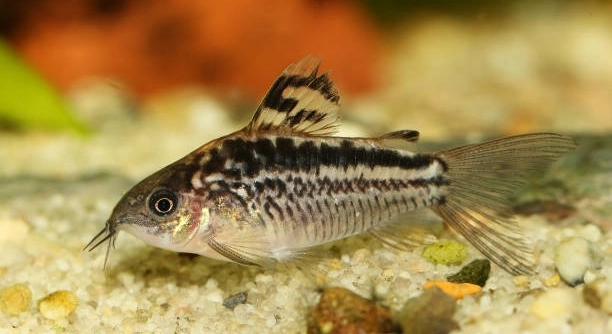
Corydoras catfish are popular aquarium pets, known for their playful and social nature. However, if your catfish seems to be avoiding its usual hiding spot, you might be concerned. There could be a few reasons for this change in behavior.
The main reason your Corydoras catfish avoids its favorite hiding spot could be due to environmental changes, such as water quality issues or the presence of other tank inhabitants. Stress from these factors may cause your fish to seek new areas of comfort.
There are several factors that can affect your catfish’s behavior, and understanding them will help you restore peace in your tank. Continue reading to uncover what might be causing this behavior and how to help your Corydoras feel at ease again.
Water Quality Issues
Water quality is one of the first things to check if your Corydoras catfish is avoiding its usual hiding place. These fish are sensitive to changes in their environment, and poor water quality can lead to stress or illness. When the water becomes too acidic or too alkaline, or if there are high levels of ammonia, nitrites, or nitrates, your fish may try to find a new safe space. Additionally, high levels of chlorine or chloramine can harm your catfish, making them avoid areas they once felt safe in.
Testing the water in your aquarium is a good first step in addressing any potential issues. If the levels are off, do a partial water change and make sure your filtration system is working correctly. It’s also important to ensure the temperature is within the proper range, as Corydoras are sensitive to extreme temperature shifts. Once the water is cleaned up, your fish should feel more at ease in their previous hiding spot.
Water quality problems can arise quickly, so keeping track of water parameters is key. Regular water changes and a reliable filtration system are essential for maintaining a healthy tank. If you suspect poor water quality is the problem, addressing it immediately will help your catfish feel comfortable again.
Tank Mates and Stress
Another reason your Corydoras might be avoiding its hiding spot could be the presence of tank mates. Some species of fish are more aggressive or territorial, and their behavior might stress out your catfish. Corydoras are peaceful by nature and do not handle aggression well. If a larger or more dominant fish is bothering them, they may choose to avoid certain areas to escape the stress.
If you’ve added new fish to your tank recently, it could be that the dynamics have shifted. Corydoras prefer calm, peaceful environments where they aren’t constantly feeling threatened. Observe your fish closely to see if there are any signs of aggression, such as chasing, fin nipping, or constant harassment.
In some cases, the addition of overly energetic fish or those with aggressive tendencies can cause your Corydoras to seek hiding spots that are harder to reach, as they attempt to avoid stress. If aggression is present, consider separating the more aggressive species or adding more hiding places to your tank. A well-balanced aquarium is key to keeping your Corydoras comfortable and secure.
Illness or Injury
If your Corydoras catfish is avoiding its hiding spot, it could be because of illness or injury. Fish tend to hide when they are feeling unwell or in pain. A catfish might try to stay in a spot that feels more comfortable or less exposed, especially if they are injured or stressed.
Look for signs such as faded colors, abnormal swimming patterns, or visible wounds. It’s important to act quickly if you notice anything out of the ordinary. A fish that’s not eating or staying in one place might need extra care, such as isolation in a quarantine tank. Treating the illness or injury as soon as possible is essential for recovery.
If the issue is an injury or infection, the fish may need specific treatment, such as antibiotics or anti-parasitic medications, depending on the symptoms. Keeping the water clean and ensuring the fish is not further stressed will also help. Ensuring the tank is free from aggressive tankmates during recovery can aid in healing.
Overcrowded Tank
An overcrowded tank is another reason your Corydoras might be avoiding its usual hiding spot. Fish need space to feel safe, and a cramped environment can cause stress. When there are too many fish, your Corydoras may feel threatened and avoid areas that are usually its sanctuary.
It’s important to know how many fish your tank can comfortably hold. If the tank is overcrowded, it might be worth considering either a larger aquarium or finding new homes for some of the fish. Overcrowding also leads to water quality issues, which can further stress your fish. Stress from overcrowding might also make the Corydoras more prone to illness.
When the tank is overcrowded, your fish may be competing for food, space, or hiding spots. This constant pressure can lead to anxiety and a lack of comfort in the tank. Reducing the number of fish can restore balance, making sure your Corydoras feels more secure and able to return to its preferred hiding spot.
Temperature Fluctuations
Temperature fluctuations can cause your Corydoras catfish to avoid its usual hiding spot. These fish prefer stable water temperatures and become stressed if there are sudden changes. If the water is too hot or too cold, your fish might seek shelter in a different location to feel more comfortable.
To prevent this, keep the water temperature steady. Use a reliable heater and thermometer to monitor the tank regularly. Sudden shifts in temperature can cause stress, so try to maintain a consistent environment. A drop in temperature can slow down their metabolism, while higher temperatures may lead to oxygen depletion.
Lighting Changes
Corydoras are sensitive to changes in lighting. If the lights in your aquarium are too bright or if you’ve recently altered the lighting schedule, it could be causing your fish to avoid their usual hiding places. Fish naturally seek refuge when the environment feels too intense.
Make sure the lighting is not too harsh for your Corydoras, as it may stress them out. A dimmer, more natural light cycle will make your fish feel more at ease. Additionally, sudden changes in light timing can disorient your fish, pushing them to hide or become less active.
FAQ
Why is my Corydoras catfish staying in one spot and not moving?
If your Corydoras is staying in one spot and not moving, it may be stressed, sick, or injured. Fish tend to remain still when they’re not feeling well. Look for signs of illness such as pale coloring, abnormal swimming patterns, or any visible wounds. Stress can also stem from poor water quality, overcrowding, or aggressive tankmates. Make sure the water conditions are ideal, and check for signs of aggression from other fish. If nothing seems wrong with the environment, consider isolating the fish to see if it improves. If it doesn’t, seeking advice from a vet who specializes in fish may be necessary.
Can water quality affect my Corydoras’ hiding behavior?
Yes, poor water quality is one of the main reasons Corydoras may avoid their usual hiding spots. These fish are very sensitive to changes in water parameters like pH, ammonia, nitrites, and nitrates. Even a slight change can cause stress, prompting the catfish to look for new hiding places or behave less actively. Regular water changes and testing the water quality will help maintain a healthy environment. Keeping the water clean ensures your Corydoras feels secure and safe in its tank.
How can I tell if my Corydoras is stressed?
Corydoras are known for being calm and social, so any change in behavior can indicate stress. If your catfish is hiding more than usual, swimming erratically, or not eating, it’s a sign that something is wrong. Stress can also cause them to breathe faster or spend more time near the surface. Watching for these signs will help you identify the cause of their discomfort, such as water quality issues, temperature fluctuations, or bullying from other fish. Addressing the stressor quickly will help your Corydoras feel better and return to normal behavior.
What temperature do Corydoras catfish prefer?
Corydoras catfish prefer water temperatures between 72°F and 78°F (22°C to 26°C). If the temperature is too low or too high, it can cause stress, leading your fish to avoid its favorite hiding spots. Temperature fluctuations can also slow down their metabolism, making them less active. Use a reliable heater and thermometer to maintain a stable environment for your catfish. Avoid sudden temperature shifts, as Corydoras are sensitive to rapid changes and may feel uncomfortable, causing them to hide more often or act differently.
Why does my Corydoras catfish swim near the surface?
Corydoras typically prefer the bottom of the tank, but if they are swimming near the surface, it could indicate a problem with the water quality or oxygen levels. Poor oxygenation or high levels of ammonia or nitrites can lead to increased surface activity as the fish tries to breathe in better conditions. It could also be a sign of illness or stress. Check the water parameters, ensure the filter is working correctly, and consider adding an air stone if oxygen levels seem low. If the behavior persists, further investigation may be needed.
Can other fish in the tank make my Corydoras stressed?
Yes, aggressive or overly active tankmates can stress your Corydoras and cause it to avoid its usual hiding spots. Corydoras are peaceful fish and do best in a calm, stress-free environment. Fish such as larger or territorial species may chase or bully your Corydoras, causing it to feel threatened and seek shelter. It’s important to keep tankmates that match the temperament of your Corydoras. If aggression is happening, consider adding more hiding spaces or separating more aggressive fish to prevent additional stress.
Should I be worried if my Corydoras isn’t eating?
If your Corydoras isn’t eating, it could be a sign of illness, stress, or poor water conditions. These fish are usually quite eager to feed, so a sudden loss of appetite should be addressed. If your catfish is hiding more than usual and avoiding food, check for any signs of disease such as faded colors or abnormal swimming. Water quality is also a common factor in loss of appetite, so be sure to test the parameters. If your Corydoras continues to refuse food, consider isolating it in a quarantine tank and treating for possible infections.
What can I do if my Corydoras is injured?
If your Corydoras is injured, it’s essential to isolate it in a quarantine tank to avoid further stress or injury from other fish. Clean the water thoroughly and monitor the fish for any signs of infection. If the injury is severe, you may need to treat the fish with medication, such as an antibiotic or antiseptic, depending on the nature of the injury. Keeping the water parameters stable and ensuring the injured fish is not disturbed will help the healing process. Avoid adding more tankmates during recovery to give your Corydoras the best chance to heal.
How often should I clean the aquarium for my Corydoras?
Cleaning the aquarium is crucial for maintaining a healthy environment for your Corydoras. Perform a partial water change of about 25% to 30% every week. This helps to maintain proper water quality by reducing the build-up of ammonia, nitrates, and other harmful substances. Additionally, clean the substrate by vacuuming it to remove uneaten food and waste that might accumulate. Regular maintenance will help your Corydoras stay healthy and reduce stress, making it more likely to return to its usual behavior and hiding spots.
Is it normal for Corydoras to bury themselves in the substrate?
Yes, it’s completely normal for Corydoras to bury themselves in the substrate. These fish are bottom dwellers and enjoy digging into the sand or gravel to forage for food or hide. If you notice your Corydoras burying itself more often than usual, it’s likely just exhibiting natural behavior. However, if it seems to be doing so out of stress or if it is hiding excessively, check the water quality and look for signs of aggression or illness. Burying is a sign that your Corydoras feels secure and safe in its environment.
Final Thoughts
Understanding why your Corydoras catfish is avoiding its favorite hiding spot can help you address the issue quickly and effectively. There are several factors that could be causing this behavior, including stress, illness, water quality, or tankmate issues. Corydoras are naturally social and peaceful fish, and when they start avoiding their usual spaces, it’s usually a sign that something in their environment is causing them discomfort. Paying attention to their behavior, the condition of the tank, and any changes you’ve made recently can help pinpoint the root of the problem.
It’s essential to check the water parameters regularly, as poor water quality is often the main cause of stress in fish. Keep the temperature steady and make sure your Corydoras have access to clean water with the right pH and low levels of ammonia, nitrites, and nitrates. Overcrowding the tank or adding aggressive fish can also make your Corydoras feel unsafe, causing them to avoid their hiding spots. A peaceful, well-maintained environment will ensure your catfish can swim freely and use their favorite hiding places without fear.
By taking steps to improve water conditions, ensuring the tank is not overcrowded, and providing enough hiding spaces, you can help your Corydoras feel more secure and comfortable. Remember, observing your fish and making gradual changes can go a long way in maintaining their well-being. If you notice any signs of illness, taking prompt action is crucial. Keeping your Corydoras happy and healthy will allow them to enjoy their environment and engage in their natural behaviors again.

Hello,
If you enjoy the content that we create, please consider saying a "Thank You!" by leaving a tip.
Every little bit helps us continue crafting quality advice that supports the health, happiness, and well-being of pets around the world, for pets of all shapes, sizes, and species.
We really appreciate the kindness and support that you show us!