
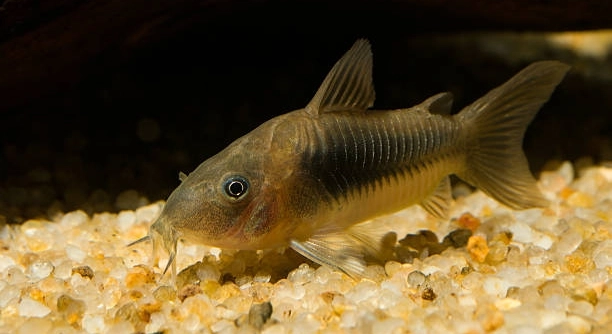
Corydoras catfish are often playful and lively in aquariums. However, there can be times when they seem less active than usual. This change in behavior might be concerning for fish owners who care deeply about their pets’ well-being.
A decrease in playfulness in Corydoras catfish can be attributed to various factors, including water quality issues, stress, illness, or environmental changes. Monitoring their habitat and diet is essential to ensure they are comfortable and thriving in their environment.
By understanding the reasons behind these changes, you can better care for your fish and ensure they return to their lively selves. Let’s take a closer look at the possible causes.
Water Quality and Tank Conditions
One of the primary reasons your Corydoras catfish might be less playful is poor water quality. These fish thrive in clean, stable environments with proper filtration. Ammonia, nitrites, or high nitrate levels can stress them out, making them more lethargic. Ensure your tank is properly cycled and the water parameters are regularly checked.
The temperature of the water is equally important. Corydoras prefer temperatures between 72°F and 78°F. Water that is too warm or cold can cause stress and reduce activity levels.
Regular water changes are also necessary to maintain a healthy environment. Lack of proper maintenance can lead to the buildup of harmful substances in the water, which may make your Corydoras less active. It’s important to invest in a reliable water testing kit and make water changes part of your routine to keep your fish healthy and engaged.
Stress and Changes in the Environment
Stress is another significant factor in changes to your Corydoras’ behavior. Stress can come from various sources like sudden changes in water temperature, new tank mates, or even the placement of decorations in the tank. Corydoras are peaceful fish that do best in calm and familiar environments.
When stressed, your fish may hide more than usual or simply float near the bottom of the tank. They can also appear less interested in their surroundings, affecting their overall playfulness.
To minimize stress, keep the tank setup stable and avoid making frequent changes. If you introduce new fish, ensure they are compatible and won’t disrupt the peaceful environment. It’s also helpful to provide hiding spots and plants that allow your Corydoras to feel safe. This can help them feel more comfortable and return to their playful nature.
Illness and Health Issues
Illness is another common cause for a decrease in playfulness. Corydoras catfish can develop health issues like parasites, bacterial infections, or fin rot. When unwell, they tend to become lethargic, hiding more and interacting less.
If your Corydoras seem sick, it’s important to monitor for other signs such as discolored skin, spots, or damaged fins. Immediate treatment may be needed, depending on the condition. Consult an aquarium professional or veterinarian who specializes in fish for proper guidance on treatment. Isolating the affected fish in a hospital tank might also help prevent spreading illness to the rest of the tank.
When treating any illness, it’s vital to address the cause. Poor water conditions or overcrowded tanks are often contributing factors. By ensuring your fish stay healthy and in good condition, you can help maintain their playful behavior. Regular health checks and observing for early signs of illness can make a big difference in keeping them active.
Diet and Feeding Habits
Improper diet can lead to decreased energy and reduced activity in Corydoras. These catfish are bottom feeders, often scavenging for food. If their diet lacks essential nutrients, they may become less active.
Ensure your Corydoras are fed a varied and balanced diet. High-quality pellets, live foods, and occasional treats like bloodworms can provide the necessary nutrition. Overfeeding or providing low-quality food may lead to digestive problems, which can also impact their behavior. Feeding once or twice a day is usually sufficient, and leftovers should be removed to avoid water quality issues.
Proper diet contributes significantly to their energy levels. If your Corydoras seem less playful, adjusting their diet to include more variety or ensuring they get enough to eat could help restore their vitality. Keep track of feeding schedules and consider consulting with an aquarium specialist if you suspect nutritional deficiencies.
Tank Size and Space
If your tank is too small, Corydoras may feel cramped and stressed, which can reduce their activity levels. These fish prefer a spacious environment where they can freely swim and explore.
A cramped tank leads to increased stress, which can suppress playful behavior. Ensuring a larger tank with proper filtration can help reduce these issues, keeping your fish healthier and more active.
Water Chemistry
Corydoras are sensitive to changes in water chemistry, including pH, hardness, and alkalinity. Fluctuations can negatively affect their behavior, making them more lethargic or withdrawn.
Maintaining stable water chemistry is crucial for keeping Corydoras happy and playful. Regular testing for these parameters ensures that your fish are living in optimal conditions, which can improve their energy levels.
Lighting and Tank Decor
Poor lighting or an overly bright tank can cause discomfort for Corydoras, leading them to become less active. These fish prefer dim lighting, which helps them feel safe.
Too many decorations or sharp objects may also limit their movement, resulting in a less playful behavior. Be sure to provide a comfortable and simple tank setup with adequate hiding spots and gentle lighting.
FAQ
Why is my Corydoras catfish swimming at the bottom of the tank more than usual?
Corydoras are naturally bottom-dwelling fish, so spending time at the bottom of the tank is normal. However, if they’re staying there longer than usual, it could indicate stress, illness, or poor water quality. Check the water parameters, and ensure there’s no aggression from other fish. If they’re showing other signs of illness, like discolored skin or loss of appetite, a visit to a specialist might be necessary.
Can water temperature affect my Corydoras’ behavior?
Yes, water temperature plays a significant role in Corydoras’ activity levels. These fish prefer temperatures between 72°F and 78°F. Temperatures that are too high or low can cause stress, making them less playful and more lethargic. Use a reliable aquarium heater and thermometer to maintain stable water conditions for your fish.
What should I do if my Corydoras stop eating?
If your Corydoras have stopped eating, it could be a sign of stress, illness, or poor water quality. First, check the water parameters and make any necessary adjustments. If the water quality is fine and there are no signs of illness, try offering different types of food, like live or frozen foods. If they still refuse to eat, it may be time to consult a veterinarian.
How often should I feed my Corydoras catfish?
Corydoras catfish should be fed once or twice a day, with small amounts of food. They are bottom feeders, so food should be placed in areas where they can easily access it. Overfeeding can lead to poor water quality and health issues, so it’s important to monitor the amount of food given. Removing any uneaten food will help prevent tank contamination.
Can Corydoras catfish live with other fish?
Yes, Corydoras catfish are peaceful fish that can live with most other species, particularly non-aggressive fish. However, it’s important to avoid keeping them with overly aggressive or large fish that might stress them out or cause harm. Ensuring compatible tank mates will help keep them playful and healthy.
How do I prevent my Corydoras from becoming stressed?
To reduce stress in Corydoras, provide them with a stable environment. Keep the tank clean, maintain proper water quality, and avoid sudden changes in temperature or lighting. Adding plenty of hiding spots and plants can make them feel safe. Additionally, avoid overcrowding and ensure they have space to swim freely.
Are there any signs of illness I should watch for?
Yes, some common signs of illness in Corydoras catfish include faded or discolored skin, abnormal swimming behavior (like erratic movements or staying at the surface), swollen or damaged fins, or refusal to eat. If you notice any of these signs, it’s important to assess the water quality and possibly isolate the affected fish for treatment.
Can I use aquarium salt to treat my Corydoras?
Aquarium salt can sometimes be beneficial for treating minor ailments like skin parasites or wounds, but it should be used with caution. Corydoras are sensitive to salt, and overuse can harm them. Always follow recommended dosages and ensure it’s appropriate for the condition being treated.
What’s the best tank setup for Corydoras catfish?
Corydoras thrive in tanks with a soft substrate like sand, as their barbels can be easily injured on rough surfaces. The tank should also have gentle filtration, as these fish prefer calm waters. Including plants, hiding spots, and space to swim will provide a comfortable environment. Be sure to maintain stable water conditions and avoid sharp decorations.
How long do Corydoras catfish live?
Corydoras can live up to 5 to 10 years when cared for properly. Providing a clean tank, proper diet, and stable water conditions will help ensure a long and healthy life for your Corydoras. Regular health checks and monitoring water quality are essential for their well-being over time.
Do Corydoras catfish need a group to be happy?
Corydoras are social fish and prefer to live in groups. Keeping at least three or more Corydoras together is recommended, as they feel safer and more comfortable in groups. This social behavior can also encourage playfulness and reduce stress. Keeping them alone may result in lethargy or other behavioral changes.
Why is my Corydoras hiding more than usual?
If your Corydoras are hiding more than usual, it could be due to stress, illness, or poor water quality. They may also hide if they feel threatened by other tank mates. Check the water parameters and make sure the tank is free of stressors. If the issue persists, examine the fish for signs of illness and take appropriate action.
Can I add new fish to the tank with my Corydoras?
You can add new fish to the tank with your Corydoras, but it’s essential to consider compatibility. Avoid adding aggressive species or larger fish that may stress or harm your Corydoras. Introducing fish slowly and monitoring their interactions will help maintain a peaceful tank environment.
How do I treat parasites in Corydoras?
Parasites can cause a range of issues, including lethargy and abnormal behavior in Corydoras. To treat parasites, isolate the affected fish in a separate quarantine tank and consult with an aquarium specialist for appropriate treatments. Medications like copper-based treatments or formalin can help, but always follow the manufacturer’s instructions carefully to avoid harming your fish.
Can I use a UV sterilizer for my Corydoras tank?
A UV sterilizer can be beneficial for controlling harmful microorganisms in your tank, such as bacteria and algae. It helps maintain water clarity and reduce the risk of waterborne diseases. While it’s not essential for every tank, using a UV sterilizer can help keep the water healthier for your Corydoras.
Final Thoughts
Corydoras catfish are peaceful and enjoyable aquarium companions that thrive in well-maintained environments. They are generally playful and social creatures, often seen interacting with each other and exploring their surroundings. However, when their behavior changes, such as becoming less active or hiding more than usual, it may be a sign of an underlying issue. Whether it’s related to water quality, tank conditions, or stress from other fish, understanding the causes of their behavior is essential to ensuring their health and well-being. Paying attention to small changes in your Corydoras’ habits can help prevent more serious health problems in the future.
The key to maintaining healthy and active Corydoras is creating a stable and comfortable environment. Ensuring proper water quality, temperature, and tank size is vital. Corydoras prefer clean, soft substrate, dim lighting, and peaceful tank mates. Keeping the water parameters in check is crucial for preventing stress, as these fish are sensitive to even minor fluctuations. A well-maintained tank with suitable filtration will help them stay healthy and active. Regular water changes and proper feeding also contribute to their overall well-being, allowing them to display their natural behaviors, including playfulness.
In conclusion, Corydoras catfish make great pets, especially when cared for in an environment that meets their needs. They can live long, happy lives if their basic requirements are met and they are provided with a stress-free, clean, and stimulating environment. By maintaining a stable aquarium setup, monitoring their behavior, and addressing any changes promptly, you can ensure your Corydoras remain playful and healthy. Their behavior and well-being are indicators of the health of the tank itself, and by focusing on their care, you’ll also improve the overall health of the aquarium.

Hello,
If you enjoy the content that we create, please consider saying a "Thank You!" by leaving a tip.
Every little bit helps us continue crafting quality advice that supports the health, happiness, and well-being of pets around the world, for pets of all shapes, sizes, and species.
We really appreciate the kindness and support that you show us!