
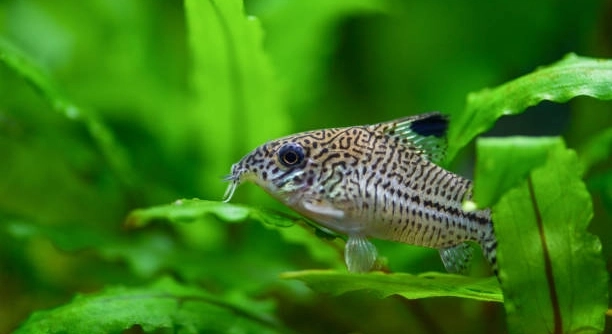
Are your Corydoras catfish acting a little off or seeming less active than usual in their tank environment?
Corydoras catfish can feel overcrowded when they lack personal space, become stressed, or show behavioral changes. Signs include reduced activity, hiding more often, fast breathing, aggression, or erratic swimming behavior.
Recognizing these signs early can help improve your catfish’s health, lower stress, and keep your aquarium balanced and peaceful.
Signs Your Corydoras Might Be Feeling Overcrowded
Corydoras catfish are peaceful and social fish, but too many tankmates can make them uncomfortable. Overcrowding limits their space to swim freely and rest properly, leading to physical and behavioral changes. You might notice them hiding more than usual, darting around quickly, or even avoiding food. These behaviors are signs that the tank isn’t meeting their needs. Corydoras prefer small, stable groups and enjoy exploring the tank bottom together. When there’s not enough room, they start to feel stressed. That stress can weaken their immune system and make them more likely to get sick. You may also see faster gill movement as they try to cope with stress. It’s important to observe your fish regularly so you can catch these signs early. A balanced tank setup can prevent these problems and keep your fish comfortable and healthy, allowing them to thrive in their environment without constant stress or discomfort.
Overcrowded tanks also lead to poor water quality, which makes things worse. Waste builds up faster than your filter can handle, affecting oxygen levels and water clarity.
If your Corydoras are frequently swimming to the surface, this might mean they aren’t getting enough oxygen. You may also see them resting more, which can signal fatigue.
How to Fix an Overcrowded Tank
Start by checking the tank size. A good rule is 1 inch of fish per gallon of water, but bottom-dwellers like Corydoras need extra space to roam. If you have more than six Corydoras in a tank under 20 gallons, it might be too tight. Spacing matters as much as water volume. Try upgrading to a larger tank or moving some fish to another one. Rearranging decor to give them more hiding spots can also help. Use fine substrate and keep the tank clean. Adding a strong filter and keeping up with water changes makes a big difference in their comfort. Avoid adding new fish until things settle. Take note of any improvements in behavior—less hiding, smoother swimming, better appetite—these are signs your changes are working. It’s also helpful to reduce noise and stress around the tank, especially during cleaning or maintenance. A calm, clean tank with enough space leads to healthier, happier Corydoras.
Other Stress Behaviors to Watch For
Corydoras that feel overwhelmed may show small signs before things get worse. Watch for clamped fins, pale coloring, or sudden hiding. These small changes often point to stress from too many tankmates or poor water conditions.
Fast breathing is a key sign something’s off. Corydoras breathe faster when the water has low oxygen or when they feel unsafe. You might notice their gills moving quickly even when they’re still. This reaction usually means there’s too much going on in the tank. Crowding can also make them more territorial than usual, even though they’re normally peaceful. They may chase or bump into others to claim space. It’s easy to miss at first, so checking in daily helps you catch it. Stress can lead to illness fast, so acting early is always best.
A stressed Corydoras may also lose interest in food. If your fish stops eating, try to figure out why quickly. Overcrowding is a common reason they avoid mealtime. When too many fish compete for space, the shy ones stay back and don’t get enough to eat. This can make them weak and more likely to get sick. Spread food in more than one area, and observe if every fish gets their share. Reducing stress usually brings their appetite back.
How Water Conditions Make It Worse
Stress builds fast when ammonia or nitrite levels rise. A tank that’s too full makes it harder to keep water clean. Even with a filter, waste from overcrowding adds up quickly and lowers oxygen.
Bad water quality affects Corydoras in several ways. It can make their eyes look cloudy or lead to skin irritation, which makes them rub against rocks or tank walls. They may seem restless, constantly searching for a clean spot to settle. Dirty water also affects their sensitive barbels—the little feelers on their faces—which they use to explore. If these become damaged, eating becomes harder. Testing water weekly helps avoid these problems. Keep ammonia at zero and nitrate as low as possible. Use water conditioners if needed, and do regular water changes. If water issues continue even with upkeep, the tank is likely overcrowded. In that case, removing a few fish might be the only fix.
Why Group Size Matters
Corydoras are schooling fish and do best in groups of six or more. But too many in a small tank can lead to stress instead of comfort. A proper group size needs enough space to spread out.
When space is limited, the group can become anxious. Instead of moving together calmly, they may scatter, hide more often, or show signs of irritation. Watching how they interact helps you know if the group feels secure.
When to Move Fish to a New Tank
If your Corydoras are still showing signs of stress after water quality improves and the tank is clean, it might be time to rehome some. Look at the tank size, the number of fish, and the amount of floor space available. Since Corydoras stick to the bottom, overcrowding happens faster than it may seem. A tank that looks roomy up top may be packed at the bottom. Moving a few fish to another tank with similar conditions can help calm things down. You’ll usually notice a change in behavior within a few days—more movement, better eating, and calmer swimming patterns.
Watch Their Body Language
Hiding in corners, darting away quickly, or lying still for long periods can all be signs your Corydoras are not comfortable in their space.
FAQ
How many Corydoras can I keep in a 20-gallon tank?
A 20-gallon tank is best suited for a small group of 6 to 8 Corydoras, depending on their size and the number of other fish sharing the space. If you’re only keeping Corydoras in the tank, you might be able to go up to 10 small-sized ones like pygmy varieties. For larger species like bronze or peppered Corydoras, stick to 6 or fewer. The key is to keep enough open bottom space for them to move freely. Overcrowding even in a medium tank can lead to stress, water issues, and more hiding behavior.
Why do my Corydoras keep swimming to the top of the tank?
This often means they aren’t getting enough oxygen. Corydoras have a special ability to gulp air from the surface, but doing this constantly is a red flag. Poor water circulation, low oxygen levels, or high ammonia can all cause this behavior. It may also point to overcrowding, where too many fish are using up oxygen too quickly. Make sure the filter is working well, and consider adding an air stone. Also, test your water parameters and do a partial water change if needed. Constant surface visits usually stop once the water quality and oxygen levels improve.
Can overcrowding make Corydoras aggressive?
Corydoras are peaceful by nature, but overcrowding can lead to territorial behavior. If you notice them chasing or nudging each other more than usual, it could be due to limited space. They may try to push others away from their favorite resting spots or feeding areas. This isn’t true aggression, but it’s still a sign they’re stressed. Separating them or giving them more space usually brings back their calm nature. Adding extra hiding spots or spreading out food also helps reduce this type of behavior.
How often should I do water changes in a crowded tank?
In a tank with many fish, water changes need to be more frequent. For lightly stocked tanks, once a week is usually enough. But if your tank is on the crowded side, aim for two smaller water changes per week—around 20–30% each time. This helps manage waste, control ammonia and nitrite levels, and boost oxygen. Always treat tap water before adding it to the tank. Clean the substrate with a gravel vacuum during water changes, especially in tanks with bottom-dwellers like Corydoras. They’re sensitive to leftover waste collecting on the bottom.
What kind of tank setup helps reduce stress for Corydoras?
Corydoras feel more secure in tanks with soft, sandy substrate and plenty of hiding spots. Use caves, driftwood, and plants to give them shaded areas where they can rest. Make sure the filter provides steady water flow without strong currents. These fish also prefer dim lighting or shaded zones. A calm environment helps them settle in and behave naturally. If the tank is too bright or noisy, they may hide more often or stay in one corner. Creating a balanced layout where they can explore without competition helps reduce tension and boosts their overall health.
How can I tell if my Corydoras are happy?
Happy Corydoras are active, move together in groups, and forage at the bottom of the tank. They’ll swim calmly, explore, and occasionally come up for a gulp of air. They eat regularly and don’t hide constantly. Their colors should look bright and even, and their fins should be open and moving freely. If they spend most of their time resting, breathing heavily, or separating from the group, it’s a sign something isn’t right. Small changes like water improvements or rearranging decorations can often bring them back to their usual curious behavior.
Do Corydoras need tank mates, or can they live alone?
Corydoras are social and should never be kept alone. A single fish will become stressed and may stop eating or moving much. The best setup includes at least 4 to 6 of the same species. They interact, rest near each other, and explore as a group. Watching them move together is a good sign they feel secure. While they can live with other peaceful fish, having a group of their own kind is important for their mental and physical health. Being alone long-term often leads to depression-like behavior in these normally active fish.
Final Thoughts
Corydoras catfish are peaceful and active bottom-dwellers that enjoy living in small groups. But just like any fish, they can become stressed when their tank gets too crowded. Overcrowding leads to limited space, poor water quality, and constant competition for food and resting spots. These conditions slowly affect their health, making them more likely to show signs of stress such as hiding, fast breathing, and even refusing to eat. Noticing these signs early helps you make the right changes before things get worse. A clean, well-sized tank gives your Corydoras the space they need to move around and feel secure.
Sometimes it’s easy to forget how much space bottom-dwelling fish actually need. Even in a tank that looks spacious, Corydoras can end up packed together at the bottom if there are too many fish in total. Giving them soft substrate, calm lighting, and enough hiding areas can go a long way. These little changes make a big difference in how comfortable your fish feel in their space. Watching your Corydoras behave calmly—exploring the tank, eating well, and staying active with their group—is the best sign that things are going well. If they start acting differently, checking for overcrowding is always a good place to start.
Taking care of fish is about more than just feeding them. It’s about learning what their behavior means and adjusting things when needed. Corydoras are hardy fish, but they still need the right environment to thrive. Make sure the tank size fits their group, keep water clean, and watch how they interact. If they seem stressed or uneasy, don’t ignore the signs. Moving a few fish or upgrading your tank may seem like a lot of work, but it’s worth it in the long run. A peaceful, well-balanced tank not only helps your Corydoras stay healthy, but also makes them more enjoyable to watch. The more attention you give to their needs, the more they’ll reward you with their playful and calm nature.

Hello,
If you enjoy the content that we create, please consider saying a "Thank You!" by leaving a tip.
Every little bit helps us continue crafting quality advice that supports the health, happiness, and well-being of pets around the world, for pets of all shapes, sizes, and species.
We really appreciate the kindness and support that you show us!