
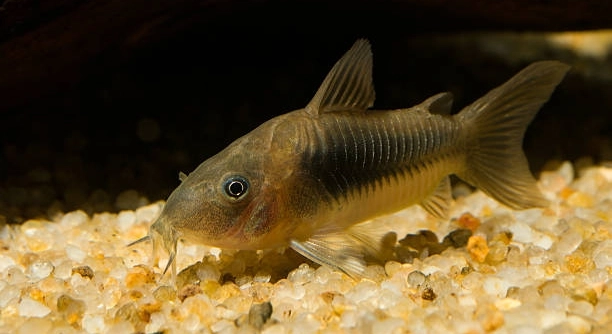
Corydoras catfish are a popular choice for aquarium enthusiasts, known for their peaceful nature and interesting behaviors. However, you may notice that your Corydoras tend to hide more during the day than you’d expect.
The primary reason for increased hiding is stress. Factors like water quality, tankmates, or lighting can cause discomfort, leading them to seek shelter. Ensuring a stable environment can help your catfish feel more secure and confident to swim openly.
Understanding these potential causes will help you create a more comfortable space for your Corydoras. With a few adjustments, you can encourage them to be more active and visible.
Stress from Water Quality
One of the main reasons your Corydoras might be hiding during the day is poor water quality. If the water has high levels of ammonia, nitrites, or nitrates, it can stress them out. Fish that feel uncomfortable in their environment often hide in safe spots, away from potential danger. Corydoras are particularly sensitive to changes in water parameters, and when conditions aren’t ideal, they try to escape into darker corners or under decorations.
Ensuring regular water changes and maintaining a proper filtration system can go a long way. Keeping the water clean and well-maintained will help your fish feel more secure.
Test the water regularly to make sure the ammonia, nitrite, and nitrate levels are in the safe range for your Corydoras. Additionally, make sure the temperature is within the recommended range. When water quality improves, you’ll notice your Corydoras becoming more active, swimming freely in the tank rather than retreating into hiding spots. Stability is key for creating a peaceful environment where your fish can thrive.
Incorrect Tank Setup
Sometimes, the tank setup itself may contribute to your Corydoras hiding. Corydoras need plenty of hiding places to feel secure. However, too many hiding spots or sharp decorations can cause them to feel trapped or stressed. A tank with enough open space, along with some plants or caves, provides a perfect balance.
If your tank is overcrowded or lacks hiding spots, this may cause your catfish to retreat more often than usual.
Tankmates
Your Corydoras catfish might hide if they are feeling threatened by other fish in the tank. Some species are more aggressive and can stress out peaceful fish like the Corydoras. If your tank has fast-swimming or territorial fish, it could cause your catfish to seek refuge.
Consider separating your Corydoras from any aggressive tankmates. Fish that chase or nip at them will make them more likely to stay hidden. Keeping calm, peaceful fish alongside your Corydoras will help them feel safe. Larger fish may not be aggressive, but their size and movement can still intimidate your catfish.
Monitor how your Corydoras behave around other tankmates. If they appear to be more reclusive after introducing new fish, you may need to rethink their tankmates. Corydoras are best kept with other non-aggressive species that won’t provoke them. This can create a more peaceful environment where your fish feel comfortable and visible.
Lighting
Corydoras are naturally more active in low-light conditions. Bright aquarium lights may cause them to hide, especially during the day when their instincts tell them to be cautious. They prefer dimly lit spaces where they can feel less exposed. If the lighting in your tank is too bright, it could be causing unnecessary stress.
To help your Corydoras feel more comfortable, consider dimming the lights or providing areas of shade in the tank. Using a combination of plants, caves, or rocks can also give them areas to retreat to when they feel exposed.
A more natural light cycle, with lower intensity lighting during the day, will help recreate the conditions Corydoras are used to in the wild. Adjusting your tank’s lighting setup can make a noticeable difference in their behavior, encouraging them to swim more freely and comfortably.
Age and Health
As Corydoras age, they may become less active and more prone to hiding. Older fish often seek out quiet, sheltered areas due to reduced energy levels. Health issues can also cause them to hide as they try to conserve energy and avoid stressful situations.
It’s important to monitor their behavior for signs of illness, such as lethargy or irregular swimming patterns. If your Corydoras seems to hide more frequently, a checkup on their health might be necessary. If they’re older, their desire to stay hidden could just be a sign of age, not stress.
Feeding Schedule
An inconsistent feeding schedule can also cause Corydoras to hide. If they’re not getting fed at the same time each day, they may become anxious or uncertain, leading them to hide. Routine feeding helps them feel secure.
Establish a consistent feeding routine so your fish know when to expect food. This also reduces stress caused by uncertainty. When they’re well-fed and know what to expect, your Corydoras will be more likely to stay out and explore.
FAQ
Why do my Corydoras hide more at night?
Corydoras are naturally nocturnal fish, meaning they are most active during the night. This behavior is due to their instinct to avoid predators, as many of their natural enemies are more active during the day. While they might hide during the day, they often come out at night to forage and explore. If you notice your Corydoras hiding more at night, it might be due to stress, but it’s also normal for them to be more active in the dark. Ensure that the tank provides plenty of hiding spots to give them comfort when they feel vulnerable.
Is it normal for Corydoras to stay hidden all day?
Yes, it’s normal for Corydoras to spend a significant amount of time hiding during the day. They are naturally shy fish that seek shelter when they feel threatened. If the tank is too bright, too noisy, or if there are aggressive tankmates, they may retreat more often. It’s important to ensure that the tank environment is suitable for them, with calm tankmates, soft lighting, and enough hiding places to make them feel safe. As long as they’re eating and behaving normally when they’re out, it’s usually not a cause for concern.
How can I encourage my Corydoras to come out of hiding more often?
To encourage your Corydoras to come out more often, make sure the water quality is optimal and stable. Corydoras are sensitive to water changes, so ensure that the pH, temperature, and ammonia levels are appropriate. Add more plants or hiding spots to make the tank feel like a safer environment, but leave enough open space for them to feel comfortable moving around. Reducing stressors, such as excessive light or aggressive tankmates, will also help them feel secure and confident to explore. Regular feeding routines can also make them more comfortable.
What should I do if my Corydoras hides all the time?
If your Corydoras hide constantly and show little to no signs of coming out, it’s a good idea to check the tank conditions. Poor water quality, incorrect lighting, or stressful tankmates could be causing them to stay hidden. Test the water regularly and change it if necessary. If their health seems off, such as lethargy, loss of appetite, or unusual behavior, consider checking for signs of illness and consulting with an aquarium vet if needed. A peaceful tank setup with no aggressive fish and proper hiding spots can help them feel more secure.
Can Corydoras hide due to poor diet?
Yes, Corydoras might hide if they’re not being properly fed. If they’re not getting enough nutrition or the right type of food, they may retreat to conserve energy. Make sure you’re feeding them a balanced diet with high-quality pellets or sinking wafers designed for bottom feeders. It’s also important to provide variety, including live or frozen foods like bloodworms or brine shrimp, to keep them healthy and engaged. If they’re not coming out to eat, this could be a sign that something is off with their feeding schedule or food quality.
How do I know if my Corydoras are stressed?
Corydoras show signs of stress through behaviors like hiding more frequently, refusing to eat, or darting around the tank in an erratic manner. Stress can be caused by poor water quality, sudden temperature changes, aggressive tankmates, or a lack of hiding spaces. Watch for other symptoms like unusual color changes, clamped fins, or rapid gill movement. If your Corydoras exhibit these signs, it’s important to address the stressors in their environment immediately. Making the tank more peaceful and ensuring proper water conditions should help alleviate their anxiety.
Can Corydoras hide when they’re sick?
Yes, Corydoras will often hide when they’re sick. Hiding is a natural behavior for fish when they’re not feeling well, as it helps them avoid predators and stress. If your Corydoras is hiding more than usual and you notice other symptoms such as lethargy, loss of appetite, or abnormal swimming, it could be a sign of illness. Common fish diseases, like fungal infections or parasites, might cause them to stay hidden. It’s important to closely monitor their condition and take action if necessary, such as isolating them in a quarantine tank or seeking veterinary advice.
Why do my Corydoras sometimes hide when I approach the tank?
Corydoras can be shy fish, especially if they are not used to human interaction. If they’re hiding when you approach the tank, it might be because they perceive you as a potential threat. Corydoras are bottom dwellers that prefer a calm, peaceful environment. Sudden movements or loud noises can startle them, causing them to retreat into hiding. Over time, as they get used to your presence, they may become less skittish. Try to approach the tank slowly and quietly to avoid scaring them.
Is it possible for Corydoras to hide due to overfeeding?
Overfeeding can lead to water quality issues, which might cause your Corydoras to hide. Excess food decays and releases harmful toxins into the water, leading to poor water quality and stressing the fish. Corydoras, like many fish, tend to hide when they are stressed by unfavorable conditions. To prevent this, feed them only the amount they can consume in a few minutes and remove any uneaten food promptly. Overfeeding can also affect their health, so it’s best to establish a consistent feeding schedule and avoid overindulgence.
How can I tell if my Corydoras is just resting or hiding due to stress?
It can be tricky to tell if your Corydoras is simply resting or hiding due to stress. Resting is a normal behavior for Corydoras, especially during the daytime when they are less active. However, if your fish stays hidden for extended periods without coming out to eat, or if it shows signs of illness like loss of appetite or abnormal swimming, it might be stressed. Keep an eye on the water conditions, tankmates, and any unusual behavior that could indicate stress. Healthy Corydoras should come out to forage regularly, especially during feeding times.
Do Corydoras hide when they’re breeding?
Yes, Corydoras can hide during the breeding process, particularly if they feel that their space is being invaded. They may seek out a secluded spot to spawn or to care for their eggs. Female Corydoras may also hide to avoid any unwanted attention from males, who can become persistent during breeding. If you notice them hiding more during certain times, it could be a sign that they’re preparing to breed. After spawning, the parents might also retreat from their eggs to protect them from potential threats.
Final Thoughts
Corydoras catfish are generally peaceful and social fish, but they can hide more during the day for several reasons. While hiding is part of their natural behavior, it’s essential to consider factors like water quality, tankmates, lighting, and feeding schedules. When Corydoras hide, it often means they’re feeling stressed or uncomfortable in their environment. By paying attention to these factors, you can create a tank that helps them feel more secure and confident. A stable and peaceful environment will encourage your Corydoras to come out more often and enjoy the tank’s space.
Improving water quality is one of the first steps you can take to help your Corydoras feel more comfortable. Regular water changes, proper filtration, and testing water parameters will help maintain a healthy environment for them. Additionally, making sure the lighting is not too harsh, and that the tank offers enough hiding spots, will reduce their stress. It’s important to make sure there’s enough space for them to swim freely and places for them to retreat when they feel the need. Each fish has its unique preferences, and finding the right balance will ensure they thrive.
Lastly, be mindful of the other fish in the tank. Corydoras are bottom dwellers and can be intimidated by aggressive or fast-moving tankmates. Choosing peaceful fish that don’t compete with them for space or food is key. With the right care, your Corydoras can live happily in your aquarium, and you’ll see more of their natural behaviors, including swimming around and interacting with their environment. With patience and a little observation, you can make sure they’re as comfortable as possible.

Hello,
If you enjoy the content that we create, please consider saying a "Thank You!" by leaving a tip.
Every little bit helps us continue crafting quality advice that supports the health, happiness, and well-being of pets around the world, for pets of all shapes, sizes, and species.
We really appreciate the kindness and support that you show us!