
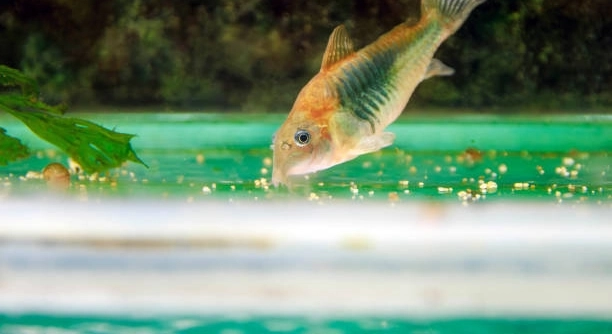
Corydoras catfish are popular aquarium fish that require specific care to stay healthy. One of the most important factors to consider is water temperature. Ensuring your catfish is in the right environment is key to their well-being.
Corydoras catfish thrive in water temperatures ranging from 72°F to 78°F (22°C to 26°C). Keeping the water within this range ensures they remain active, healthy, and comfortable, preventing stress and illness caused by temperature fluctuations.
Understanding how to adjust the water temperature can make a big difference in your catfish’s health. Knowing the signs of improper water temperature will help you maintain the best conditions for your fish.
Signs Your Corydoras Catfish Is Uncomfortable with the Water Temperature
Corydoras catfish are sensitive to water temperature changes, and if it’s too hot or too cold, they’ll show clear signs of discomfort. You may notice your fish becoming sluggish or, on the other hand, overly active. Temperature stress can weaken their immune system, making them more vulnerable to diseases. If your catfish is constantly hiding or swimming near the surface, that could indicate the water isn’t the right temperature for them. A sudden change in behavior often means something’s wrong with their environment, including the temperature.
One common issue with temperature fluctuations is when the heater is set too high or low. If your tank doesn’t maintain a consistent temperature, it might be hard for your catfish to adjust, causing them to hide or act strangely.
You can prevent temperature problems by regularly checking the water. Use an aquarium thermometer to monitor the temperature and make adjustments as needed. If you notice your catfish acting differently or staying near the surface, it’s time to check the temperature range and act accordingly.
Ideal Temperature Range for Corydoras Catfish
Corydoras catfish are happiest in stable temperatures between 72°F and 78°F. Temperatures lower than this range can make them sluggish, while temperatures above it can stress them out.
For the best results, aim to keep the water temperature within this range. This will support your catfish’s natural behavior and overall health.
How to Adjust the Temperature for Your Corydoras Catfish
To adjust the temperature in your aquarium, you can use a reliable heater. Make sure to check the temperature regularly using an aquarium thermometer. If you notice a sudden change, make small adjustments over time to avoid shocking your catfish.
A heater with an adjustable thermostat is the best choice to maintain a stable environment. Set the heater to your desired temperature and monitor it to ensure it stays consistent. Remember, temperature fluctuations can stress your catfish, so avoid quick changes, as they can negatively impact your fish’s health.
Using a thermometer is essential in keeping track of water temperature. The best way to monitor is with a digital thermometer or a thermometer stick placed inside the tank. This will give you accurate readings, ensuring your catfish remain in an environment that supports their well-being. Avoid placing the thermometer too close to the heater to ensure accurate results.
Signs Your Heater Is Malfunctioning
If your Corydoras catfish is acting differently, check the heater for malfunctions. A heater that fluctuates or fails to maintain a stable temperature can cause stress in your fish.
A malfunctioning heater might cause the water to heat up or cool down unexpectedly. Your catfish will show signs of stress, such as hiding or swimming near the surface. If you suspect the heater is broken, replace it immediately. Even a small change in temperature can harm your fish.
The Impact of Water Temperature on Corydoras Catfish Health
Corydoras catfish are sensitive to water temperature. If it’s too high or low, it can affect their immune system, making them more susceptible to illnesses. A consistent temperature helps them stay active and healthy, while fluctuations may lead to stress and disease.
When the water temperature isn’t ideal, Corydoras catfish might refuse to eat, hide more often, or show slower movement. These behaviors are signs of stress. Prolonged exposure to unsuitable temperatures can also shorten their lifespan. Keeping the water within the ideal range helps your fish thrive and prevents these problems.
How to Maintain Stable Temperature in Your Aquarium
To maintain a stable temperature, invest in a quality heater and thermometer. Adjust the heater gradually if the water seems too cold or hot. Keep the heater clean to ensure it functions properly, and monitor the temperature regularly for any unexpected changes.
FAQ
What happens if the water temperature is too high for my Corydoras catfish?
If the water temperature is too high, Corydoras catfish will become stressed. They may start swimming erratically or near the surface, gasping for air. This happens because warmer water holds less oxygen, making it harder for them to breathe. Prolonged exposure to high temperatures can weaken their immune system, making them more susceptible to diseases and infections. It’s important to maintain the right temperature range to keep them healthy and active.
What are the signs that the water temperature is too low for my Corydoras catfish?
If the water temperature is too low, Corydoras catfish will become sluggish. They may spend more time hiding or moving very slowly. This can lead to a lack of appetite and reduced activity. Low temperatures can also cause your catfish to become more vulnerable to illnesses. A drop in temperature can make their metabolism slow down, affecting their overall health. It’s crucial to keep the temperature within the recommended range to ensure they remain active and healthy.
How do I know if the water temperature is consistent?
To know if the water temperature is consistent, use a thermometer to monitor it regularly. It’s a good idea to get a digital thermometer or a stick-on thermometer that shows the temperature constantly. A good heater with an adjustable thermostat will help maintain a stable temperature. However, even with the best heater, fluctuations can still happen. So, check the temperature every few days, especially if you notice any changes in your catfish’s behavior.
Can Corydoras catfish survive temperature fluctuations?
Corydoras catfish don’t handle temperature fluctuations well. Sudden changes in temperature can cause stress and make them more prone to health problems. If the temperature rises or drops too quickly, your catfish may experience shock, which can be fatal. It’s best to make gradual adjustments to the water temperature to prevent any harm. Keeping the temperature stable is key to their overall health and well-being.
How often should I check the water temperature in my aquarium?
You should check the water temperature at least once a day, especially if you’re using a heater that might fluctuate. During the summer or winter months, when the room temperature can change drastically, it’s important to monitor more often. Keeping an eye on the temperature ensures that your catfish are in a safe environment, and it allows you to adjust the heater if needed. Always use a reliable thermometer to avoid inaccurate readings.
What’s the best type of heater for my Corydoras catfish tank?
The best type of heater for a Corydoras catfish tank is one with an adjustable thermostat. A submersible heater is ideal because it distributes heat evenly throughout the tank. Look for a heater that’s appropriate for the size of your tank. You also want to make sure the heater has an automatic shutoff feature to prevent overheating. Having a thermometer in the tank will help you monitor and adjust the temperature to keep it within the ideal range.
Should I turn off the heater at night?
It’s not necessary to turn off the heater at night. Consistent temperature is important for your Corydoras catfish, and turning the heater off can lead to fluctuations that might stress them. If you’re worried about the heater running all the time, consider a heater with an adjustable thermostat, so it only operates when the temperature drops below the desired range. This will help keep the temperature stable both day and night.
Can Corydoras catfish handle colder water than other fish?
Corydoras catfish are more tolerant of slightly cooler water compared to other tropical fish, but they still need temperatures between 72°F and 78°F. If the water gets too cold (below 70°F), they can become lethargic, lose their appetite, and be more susceptible to diseases. While they may tolerate cooler temperatures for short periods, it’s best to keep them within their ideal temperature range for their long-term health.
What should I do if the water temperature is too high or too low?
If the water temperature is too high, try to cool it down by turning off the heater or moving the tank away from heat sources, such as direct sunlight or heaters in the room. You can also add ice packs wrapped in a cloth to lower the temperature gradually. If the water temperature is too low, turn up the heater and check the aquarium’s settings to make sure the heater is working correctly. Make adjustments slowly, as sudden changes can cause stress to your fish. Regularly monitor the temperature to ensure it stays within the right range.
How can I prevent my heater from overheating?
To prevent your heater from overheating, make sure it’s correctly sized for your tank. A heater that’s too large for your tank can cause the water to become too hot quickly. Additionally, clean the heater regularly to remove any buildup that might affect its performance. Set the thermostat to the desired temperature and use a reliable thermometer to double-check the readings. Avoid placing the heater near the tank’s filter or any other equipment that could disrupt the heat distribution.
Final Thoughts
Maintaining the right water temperature is crucial for the health and well-being of your Corydoras catfish. These small fish thrive in stable, moderate temperatures, with the ideal range being between 72°F and 78°F (22°C to 26°C). If the temperature fluctuates too much, it can lead to stress, health issues, and even death. By regularly checking the water with a thermometer and using a reliable heater, you can ensure that your fish remain in a comfortable environment. A stable temperature promotes healthy activity, proper feeding, and a longer lifespan for your catfish.
It’s important to remember that Corydoras catfish are sensitive creatures. Sudden changes in temperature can cause them to become lethargic, lose their appetite, or act out of character. Over time, exposure to extreme temperatures can weaken their immune system, making them more prone to illnesses. By keeping a consistent, optimal temperature, you reduce the risk of these problems. Regular maintenance of your tank, such as cleaning the heater and monitoring the temperature, will go a long way in preventing issues related to water conditions.
In conclusion, paying attention to the temperature in your aquarium isn’t just about comfort—it’s about providing the right environment for your Corydoras catfish to thrive. With a bit of care and attention to detail, you can avoid temperature-related stress and ensure that your fish live a healthy, happy life. It’s a simple task that can make a big difference in their overall health.

Hello,
If you enjoy the content that we create, please consider saying a "Thank You!" by leaving a tip.
Every little bit helps us continue crafting quality advice that supports the health, happiness, and well-being of pets around the world, for pets of all shapes, sizes, and species.
We really appreciate the kindness and support that you show us!