
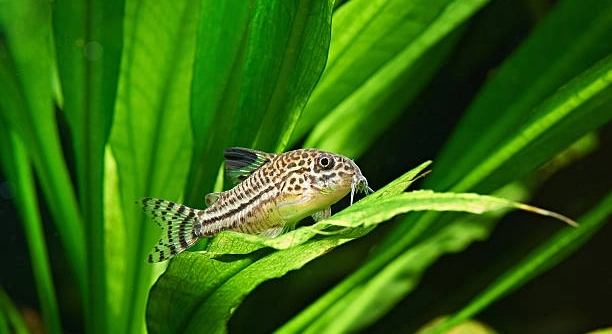
Do you ever find yourself checking on your Corydoras catfish, hoping they’re as content and healthy as they look in the tank?
A happy and thriving Corydoras catfish displays steady movement, interacts with other fish, and shows consistent feeding behavior. Healthy coloration, smooth swimming patterns, and frequent scavenging are all indicators that your fish is doing well.
Recognizing these subtle behaviors can help you create the best environment possible for your Corydoras to flourish in the long run.
Active and Curious Behavior
Corydoras catfish are naturally active bottom dwellers. When they are healthy and content, they will move around the tank throughout the day, exploring the substrate, decorations, and plants. You may see them digging lightly in the sand with their snouts, sifting for food or just investigating. This constant movement is a good sign. Happy Corydoras also swim in groups, sometimes moving in sync. They rarely stay still for long, unless resting after activity. If your fish appear listless, hide for extended periods, or isolate themselves, it could indicate stress or illness. Providing hiding spots, stable water conditions, and a peaceful tank helps support this active behavior. It’s important to watch how they act over time and notice any changes in movement or energy levels. Fish that stay engaged and interact with each other are often the ones feeling secure and thriving in their environment.
A still Corydoras that hides too much may be feeling unwell or uncomfortable in its surroundings.
Watching your fish’s natural activity gives you important clues. Healthy Corydoras won’t just stay hidden; they’ll come out often, forage, and follow their group. A fish that acts curiously and explores regularly is showing signs of contentment and security in the tank.
Regular Feeding and Foraging
A healthy Corydoras eats eagerly and returns to foraging after meals. Lack of appetite could point to poor health or tank stress.
Corydoras are bottom feeders that constantly search for food. Even when well-fed, they will continue foraging behavior throughout the day, sifting through the substrate with their mouths. This behavior is not just instinctive—it’s also a sign of comfort and health. A Corydoras that eagerly accepts food and keeps exploring afterward likely feels safe in its environment. Watch how they react during feeding. Active fish will quickly come out when food reaches the bottom. If they ignore it, hide, or seem uninterested, that could mean something is off. Regular feeding behavior also depends on the type of food offered. Sinking pellets and occasional treats like bloodworms or blanched vegetables keep them stimulated and satisfied. Overfeeding, however, should be avoided to prevent health problems and tank issues. Balanced feeding leads to a healthier and more energetic fish.
Smooth and Relaxed Swimming
Corydoras that swim smoothly and without struggle are likely feeling secure in their tank. Their movement should look calm and steady, without sudden jerks, floating, or sinking. Erratic or labored swimming can be a sign of discomfort or stress.
In a healthy tank environment, Corydoras often glide gently across the bottom or swim up and down the glass in short bursts. This swimming style shows that they’re active and breathing properly. You might even notice them darting to the surface to gulp air—this is normal for them and not a sign of distress. However, if they’re constantly racing around or seem to have trouble staying upright, something may be wrong. Poor water quality, aggressive tank mates, or sudden changes in temperature can cause stress. Clean water, stable temperatures, and calm surroundings help your Corydoras move freely and feel safe.
Corydoras are known for short, playful bursts of movement followed by rest. If they’re often swimming together in a loose group, that’s a good sign. A fish that moves confidently, avoids bumping into things, and doesn’t isolate itself is generally in good shape. Their swimming patterns are one of the easiest ways to tell how they’re doing overall.
Bright, Even Coloration
Healthy Corydoras have consistent coloring that doesn’t fade or look patchy. Bright, even tones are a reliable sign that your fish is thriving and not under any stress or illness. Faded or discolored spots may need closer attention.
Coloration can vary between species, but each fish should have a clean, solid appearance. When a Corydoras is happy, its natural colors—whether bronze, peppered, or albino—will appear richer and more defined. Changes in color can be caused by poor water quality, sudden temperature shifts, or nutritional deficiencies. Stress is also a common factor. If you notice any dulling or blotchy patches, check the water parameters right away and review their diet. Clean, balanced conditions support proper coloration. Adding natural hiding places and keeping tank lights on a regular cycle can also help reduce stress and maintain vibrant hues. Bright colors are a strong visual cue that your fish is doing well.
Social Interaction with Other Corydoras
Corydoras are schooling fish that feel happiest in small groups. When they regularly swim, rest, or forage near others, it’s a sign of comfort and security in their environment.
If a Corydoras separates itself or seems disinterested in group activity, it may be stressed or unwell.
Clean and Intact Barbels
Barbels are the sensitive whisker-like organs near your Corydoras’ mouth. These help them detect food and navigate their surroundings. Healthy barbels should look smooth, long, and free from damage. When barbels become frayed or shortened, it can be a sign of poor substrate or unclean water. Rough or sharp gravel can scrape the barbels, while dirty conditions may cause infections. Keeping fine sand and regularly maintaining the tank can prevent barbel damage. If the barbels appear healthy, it often means your fish is living in clean, well-maintained conditions and can feed comfortably. Watch them during feeding—if they confidently sift through the substrate, their barbels are likely in good shape.
Resting Comfortably During the Day
Corydoras rest in short bursts, often laying still on the bottom. When they rest with a relaxed posture and don’t hide constantly, they feel safe in their surroundings.
FAQ
How can I tell if my Corydoras catfish is stressed?
Stressed Corydoras often show signs like erratic swimming, hiding excessively, or refusing food. You might notice them staying near the surface or darting frantically around the tank. Stress can also cause changes in their behavior, such as becoming more aggressive or staying in one spot. Another clear indicator of stress is fading coloration, as Corydoras tend to lose their vibrant hues when stressed. If these signs persist, check the water quality and temperature, as well as the presence of aggressive tank mates. Maintaining a clean, calm environment can help reduce stress and encourage your fish to feel secure.
How often should I feed my Corydoras catfish?
Corydoras should be fed once or twice a day, depending on their age and activity level. Overfeeding can lead to water quality problems, so it’s important to only give them enough food they can consume within a few minutes. If you’re feeding them sinking pellets, be sure to monitor how much they eat to avoid leftover food in the tank. Offering a varied diet of high-quality pellets, occasional treats like bloodworms, and natural food from the substrate will keep them happy and healthy. They’re scavengers, so they’ll keep looking for food even after the main feeding, but don’t overdo it.
What water conditions are best for Corydoras catfish?
Corydoras prefer soft, slightly acidic water. A pH range of 6.0 to 7.5 is ideal, with a temperature range of 72°F to 78°F (22°C to 25°C). They are sensitive to sudden changes in water conditions, so regular water changes are essential for maintaining a stable environment. Using a good filtration system is crucial to keep the water clean and well-oxygenated. Corydoras also appreciate a substrate of fine sand or smooth gravel since sharp objects can damage their barbels. Regularly testing the water for ammonia, nitrites, and nitrates will help you ensure the best conditions for your fish.
Can Corydoras catfish live with other species?
Yes, Corydoras are peaceful fish and can coexist with a wide variety of other species, provided that the tank mates are not aggressive or overly large. They are bottom dwellers, so they mostly stay at the substrate level and won’t compete with fish that prefer other areas of the tank. Corydoras do well with other peaceful fish such as tetras, rasboras, and small livebearers. Avoid pairing them with fin-nipping species or large fish that may eat them. The key is to ensure that all tank mates have enough space to coexist peacefully without competition for resources.
Why does my Corydoras catfish hide so much?
Corydoras naturally spend time resting in sheltered areas, so some hiding is normal. However, if your Corydoras hides too much or isolates itself from the rest of the tank, it could be a sign of stress or illness. A hiding fish might also be adjusting to new tank conditions or suffering from poor water quality. If the tank is overcrowded or noisy, your Corydoras may seek a hiding spot to feel safe. Make sure the tank has plenty of hiding spots, but also check the water parameters regularly. If hiding continues, it’s worth looking for other signs of illness.
How do I encourage my Corydoras catfish to breed?
To encourage breeding, you’ll need to simulate a natural environment for your Corydoras. Slightly cooler water, combined with a water change and gentle aeration, often triggers spawning. It’s essential to ensure that the fish are well-fed with a nutritious diet, including live or frozen foods like daphnia and brine shrimp, as this will help condition the female. Male Corydoras typically chase the female and engage in a courtship display. Once the female lays eggs, she will deposit them on a surface, and the male will fertilize them. The eggs will hatch within a few days. Afterward, the parents should be removed to avoid them eating the eggs.
Why does my Corydoras catfish have damaged barbels?
Damaged barbels are often caused by rough, sharp substrates or poor water quality. Corydoras rely on their barbels to sift through the substrate for food, and damaged barbels can hinder their ability to feed properly. If the tank has sharp rocks or gravel, consider switching to a finer, smoother substrate like sand. Regular water changes and monitoring water quality can prevent infections that might affect the barbels. If the damage is severe, there is little you can do to regrow the barbels, but ensuring clean water conditions will prevent further harm.
Can Corydoras catfish live in a tank without a filter?
While Corydoras can technically survive in an unfiltered tank, it’s not ideal. A filter helps maintain stable water conditions by removing waste and ensuring proper oxygen levels. Without a filter, you’ll need to perform frequent water changes to maintain water quality, but even then, it’s difficult to ensure the optimal environment for your fish. A filter is especially important for maintaining consistent water parameters, which are crucial for the health and well-being of Corydoras. For the best results, consider investing in a low-flow filter that won’t disturb their peaceful nature.
Why are my Corydoras catfish not eating?
If your Corydoras are refusing to eat, it could be due to stress, water quality issues, or illness. Check the tank for any signs of changes in conditions, such as fluctuations in temperature, water pH, or ammonia levels. If these factors are stable, consider offering a variety of foods, such as sinking pellets, live or frozen foods, or blanched vegetables. Sometimes, Corydoras may refuse food temporarily after a change in their environment or due to the introduction of new tank mates. However, persistent loss of appetite is a red flag that should be addressed with a water test and a close observation of behavior.
What should I do if my Corydoras catfish is floating at the surface?
If your Corydoras is constantly floating at the surface, it may be struggling with swim bladder issues, which affect its ability to maintain buoyancy. This can be caused by overfeeding, constipation, or a bacterial infection. To help, try fasting your fish for a day or offering them a small amount of peas, which can help relieve constipation. If swim bladder problems persist, check your water parameters, as poor water quality can exacerbate the issue. In some cases, bacterial treatments may be needed if an infection is suspected.
Final Thoughts
Corydoras catfish are a great addition to any freshwater tank. They are peaceful, active, and relatively easy to care for, making them a good choice for both beginner and experienced fishkeepers. Keeping your Corydoras happy and healthy involves regular maintenance of their tank, including water quality, temperature, and feeding routines. When these fish are in the right environment, they thrive and can live for several years, bringing life and movement to your aquarium.
Watching for signs that your Corydoras is happy, like smooth swimming, active foraging, and healthy coloration, can help you understand their needs. It’s important to pay attention to subtle changes in behavior, as they can indicate stress, illness, or discomfort. For example, if your Corydoras is hiding too much, not eating, or has damaged barbels, it’s a sign that something might be wrong with the water conditions or their surroundings. Ensuring clean, stable water and offering appropriate tank mates will support their well-being.
By keeping an eye on these simple signs and providing them with the proper care, your Corydoras can thrive in your aquarium. Regular tank maintenance, a varied diet, and a calm, clean environment are all important factors in helping them live long, happy lives. With a little attention, you can enjoy watching your Corydoras flourish, knowing you’re supporting their health and happiness.

Hello,
If you enjoy the content that we create, please consider saying a "Thank You!" by leaving a tip.
Every little bit helps us continue crafting quality advice that supports the health, happiness, and well-being of pets around the world, for pets of all shapes, sizes, and species.
We really appreciate the kindness and support that you show us!