
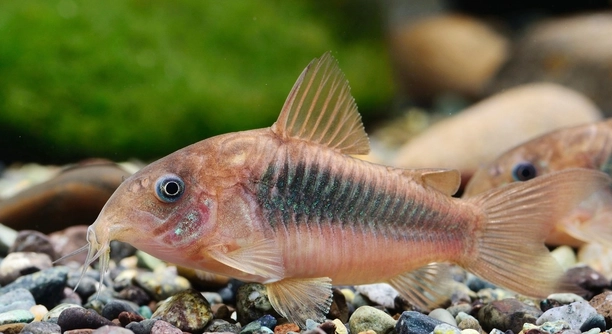
Corydoras catfish are known for their playful and peaceful nature. However, when you notice them scratching themselves against the gravel, it can be a cause for concern. Understanding this behavior is key to ensuring their health.
The main reason your Corydoras catfish might be scratching on the gravel is irritation or discomfort caused by parasites, skin conditions, or poor water quality. Other factors such as stress, inadequate diet, or environmental changes may also contribute to this behavior.
There are several possible reasons behind this scratching behavior. Exploring these theories will help you pinpoint the cause and make adjustments for your catfish’s well-being.
Possible Parasites Affecting Your Corydoras Catfish
Parasites are one of the most common reasons why Corydoras catfish scratch themselves. External parasites such as ich or gill flukes irritate the skin and cause discomfort. When a fish is infected, you might notice it rubbing against surfaces to relieve the itching sensation. This behavior is a sign that something isn’t right in the tank.
The presence of parasites can lead to more serious health problems if not addressed quickly. You may observe your catfish scratching more frequently or acting lethargic, which could signal that the parasite load is getting too high. Keeping your aquarium clean and treating the fish promptly can help.
If parasites are the cause of the scratching, the solution involves isolating the infected fish and treating the entire tank with an anti-parasitic medication. Keeping the water quality in check and observing for any other signs of infection can prevent future outbreaks.
Poor Water Quality
Water quality is crucial for the overall health of any aquarium fish. Corydoras catfish are sensitive to changes in their environment, and poor water conditions can cause skin irritation, which leads to scratching. High levels of ammonia, nitrites, or low oxygen content can stress the fish, causing them to exhibit abnormal behaviors like rubbing against gravel.
To keep your catfish happy and healthy, it’s essential to perform regular water changes and monitor the levels of ammonia, nitrites, and nitrates in the tank. You should also make sure your filtration system is working properly. Inadequate filtration can cause debris to accumulate in the water, leading to poor conditions.
If your catfish starts scratching, check your water parameters immediately. It’s a simple fix that often resolves the problem. Good water quality will help your catfish thrive and prevent the discomfort associated with poor tank conditions. Regular testing and maintenance will ensure their environment is safe and clean.
Stress or Overcrowding in the Tank
Corydoras catfish are peaceful creatures that can easily get stressed in overcrowded or noisy environments. Stress from constant agitation or competition for space and food may lead to scratching. If there are too many fish in the tank, the stress levels of each fish increase, making them more vulnerable to behavior changes.
Overcrowding can also cause more waste to accumulate in the tank, leading to poor water quality. This can further exacerbate stress and discomfort for your catfish. Reducing the number of fish in the tank, along with maintaining water quality, can significantly reduce scratching behavior.
Stress can also manifest through other symptoms, such as lethargy or hiding. Ensuring that your catfish has plenty of space to swim and hide can help alleviate these stressors. A peaceful, calm environment is key for their overall well-being and to prevent them from scratching themselves excessively.
Skin or Fungal Infections
Skin infections and fungal growths are another common cause of scratching behavior in Corydoras catfish. When the skin is infected, it can become itchy and irritated, prompting the fish to rub against objects like gravel. A fungal infection often appears as white patches or fuzzy spots on the skin, which may cause the fish to act erratically.
To treat fungal infections, isolate the affected fish and administer appropriate antifungal treatment. You can find medications specifically designed for fish in pet stores or online. Additionally, removing any decaying organic material from the tank will help minimize the chances of further infection.
Regularly checking your catfish for signs of skin infections and keeping the water clean will help prevent fungal outbreaks. If left untreated, these infections can worsen, causing severe harm to your fish. Monitoring and treating infections early can save your fish from discomfort and illness.
Inadequate Diet or Malnutrition
Corydoras catfish need a balanced diet to stay healthy. If they aren’t receiving the right nutrients, they may become weak or irritated, leading to scratching. A lack of essential vitamins and minerals can affect their skin, making it prone to itching and infection.
To prevent this, make sure you’re feeding your catfish high-quality food designed for bottom dwellers. Offer a variety of food options like sinking pellets, frozen or live foods, and occasional vegetable matter. A well-rounded diet helps to keep their immune system strong and their skin healthy.
Aggression from Tankmates
Even though Corydoras catfish are generally peaceful, aggressive tankmates can cause stress and physical harm. If they are being bullied or harassed, it could lead to scratching and rubbing against surfaces. Aggressive fish may chase, nip, or push your catfish, causing them discomfort.
Pay close attention to interactions between your Corydoras and other fish. If you notice bullying, consider moving the aggressive fish to another tank or providing more hiding places for your catfish. A harmonious tank environment can greatly reduce the risk of scratching caused by aggression.
Poor Tank Setup or Substrate
The type of substrate in your tank can also play a role in scratching behavior. Rough, sharp gravel can irritate the delicate skin of Corydoras catfish, making them more likely to scratch. It’s important to choose a smooth, fine substrate that will not harm them.
If the gravel is rough, consider switching it out for a softer material like sand. Sand is gentle on your fish and mimics their natural habitat, allowing them to move around comfortably without causing injury to their skin. A well-planned tank setup can prevent many issues, including scratching.
FAQ
Why is my Corydoras catfish scratching itself on the gravel?
Corydoras catfish may scratch themselves on the gravel due to several reasons, including skin irritation caused by parasites, infections, or poor water quality. It could also be due to stress, overcrowding, or aggressive tankmates. Ensuring a clean, balanced environment with proper water parameters, a healthy diet, and enough space can help prevent scratching.
How can I treat parasites on my Corydoras catfish?
To treat parasites on your Corydoras, you can use an anti-parasitic medication specifically designed for aquarium fish. First, isolate the affected fish to prevent the spread of the parasite. Follow the instructions on the medication carefully and ensure the tank is thoroughly cleaned and treated as well. Regular water changes will help maintain a healthy environment during the treatment process.
What is the best water temperature for Corydoras catfish?
Corydoras catfish thrive in water temperatures between 72°F and 78°F (22°C – 25°C). Keeping the water within this range helps maintain their health and activity levels. Extreme temperatures, either too hot or too cold, can stress them out and lead to scratching or other health issues. Regularly check the tank’s temperature with a reliable thermometer.
Can water quality cause scratching in Corydoras catfish?
Yes, poor water quality is one of the main causes of scratching in Corydoras catfish. High ammonia or nitrite levels, as well as low oxygen content, can irritate their skin and lead to scratching. Regularly test your tank water for ammonia, nitrites, and nitrates, and perform weekly water changes to maintain a healthy environment.
How do I prevent overcrowding in my Corydoras tank?
Overcrowding can lead to stress and poor water quality, which may cause your Corydoras catfish to scratch. Ensure you have enough space for each fish to swim and explore freely. A good rule of thumb is one Corydoras per 10 gallons of water. Additionally, avoid adding too many tankmates and provide adequate hiding spots to reduce stress.
What should I feed my Corydoras catfish to avoid scratching?
A balanced diet is essential for preventing scratching in Corydoras catfish. Feed them high-quality sinking pellets designed for bottom dwellers, along with occasional frozen or live foods like bloodworms and brine shrimp. Supplement their diet with vegetables like zucchini and spinach to provide additional nutrients. A varied and nutritious diet helps maintain healthy skin and an active immune system.
Can Corydoras catfish get fungal infections?
Yes, Corydoras catfish can develop fungal infections. These often appear as white, fuzzy patches on their skin. Fungal infections can cause itching and discomfort, leading to scratching. If you suspect a fungal infection, isolate the affected fish and treat the entire tank with an antifungal medication. Ensure the water quality is optimal and remove any decaying organic matter from the tank.
How can I tell if my Corydoras catfish is stressed?
Stress in Corydoras catfish can show in several ways, including scratching, hiding more than usual, swimming erratically, or becoming lethargic. Stress can be caused by poor water conditions, overcrowding, aggressive tankmates, or changes in the environment. Addressing the source of the stress, such as improving water quality or providing more space, can help reduce these symptoms.
What is the best substrate for Corydoras catfish?
Corydoras catfish prefer a soft, smooth substrate like fine sand. Rough gravel can injure their delicate barbels and skin, causing irritation and leading to scratching. Sand also mimics their natural environment, allowing them to burrow and move around comfortably. Make sure the substrate is fine enough for them to sift through without harm.
How do I treat skin infections in Corydoras catfish?
Skin infections in Corydoras catfish can often be treated with an antibacterial or antifungal medication, depending on the type of infection. It’s essential to isolate the infected fish to prevent spreading and to follow the medication instructions closely. Clean the tank thoroughly and monitor the fish for any signs of improvement. Additionally, ensure the water quality is optimal to help prevent further infections.
Final Thoughts
Corydoras catfish are peaceful and hardy fish, but they can sometimes show unusual behaviors like scratching on gravel. When this happens, it’s often a sign of an underlying issue that needs attention. Whether it’s stress, poor water quality, skin infections, or parasites, identifying the cause is essential for addressing the problem effectively. Understanding what may be causing this behavior will help you take the right steps to restore your catfish’s health and comfort.
Maintaining a clean and stable tank environment is key to preventing many of the issues that lead to scratching. Regular water changes, monitoring water parameters, and ensuring the tank is not overcrowded will go a long way in keeping your Corydoras healthy. Additionally, paying attention to their diet and offering a variety of food will help strengthen their immune system, making them less prone to infections and irritation. Creating a peaceful and balanced environment is crucial for reducing stress, which is often a trigger for scratching.
If you notice persistent scratching despite addressing the possible causes, it may be time to seek expert advice or consult a veterinarian. In some cases, medications may be necessary to treat skin infections or parasites. Regular observation of your Corydoras catfish will help you catch potential issues early, preventing them from becoming more serious. By providing the right care and conditions, your Corydoras catfish can live a long, healthy life free of discomfort.

Hello,
If you enjoy the content that we create, please consider saying a "Thank You!" by leaving a tip.
Every little bit helps us continue crafting quality advice that supports the health, happiness, and well-being of pets around the world, for pets of all shapes, sizes, and species.
We really appreciate the kindness and support that you show us!