
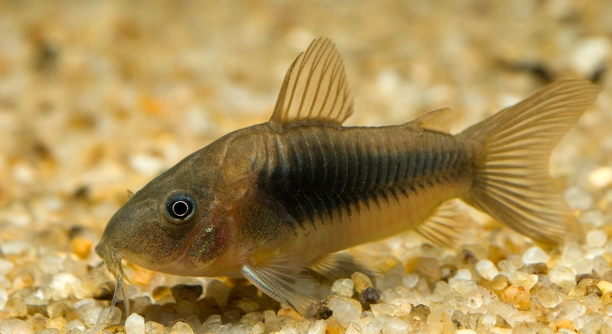
Corydoras catfish are popular in aquariums due to their friendly nature and interesting behaviors. However, it can be concerning when they spend more time near the bottom of the tank. This behavior often signals a deeper issue.
The most common reasons your Corydoras catfish might be staying near the bottom more often include stress, poor water conditions, or insufficient hiding places. Inadequate oxygen levels and illness can also cause these fish to remain near the substrate.
Understanding the reasons behind this behavior can help improve your Corydoras’ well-being. By addressing these factors, you can create a more comfortable environment for your fish.
Stress and Anxiety
Stress is one of the main reasons why Corydoras catfish may remain at the bottom of the tank. These fish are sensitive to changes in their environment, and they can become stressed due to factors like loud noises, sudden temperature fluctuations, or being kept with overly aggressive tankmates. Stress can cause them to seek refuge at the bottom, where they feel safer. If there is too much activity in the aquarium or frequent disturbances, the fish may retreat to areas where they can hide.
This behavior can be managed by ensuring a calm environment. Provide plenty of hiding spots like plants, rocks, or caves to reduce stress. Make sure the water parameters, including temperature and pH, stay stable.
To keep your Corydoras comfortable, it’s important to keep the tank peaceful. Try to minimize disturbances such as frequent cleaning or moving decorations. Keeping compatible fish together can also reduce stress levels. These simple changes can make a significant difference in your fish’s behavior.
Poor Water Quality
If your Corydoras catfish are spending more time at the bottom, poor water quality might be an issue. High ammonia or nitrite levels can cause distress to fish and lead them to seek shelter at the substrate. Additionally, low oxygen levels in the water can contribute to this behavior. Corydoras are bottom dwellers and may have difficulty swimming to the top for air if the water isn’t well-oxygenated.
Regular water changes are essential for maintaining healthy water quality. Use a good filtration system to ensure proper oxygenation and reduce harmful chemicals in the water. Test your water regularly to keep track of ammonia, nitrite, and nitrate levels.
Poor water quality not only affects the health of your Corydoras but can also lead to long-term issues. Oxygenating your tank properly and maintaining water clarity is vital. By keeping the water pristine, you help your fish thrive in a healthier, stress-free environment.
Illness or Injury
If your Corydoras catfish is staying at the bottom, it might be due to illness or injury. These fish can become lethargic or slow-moving when they are unwell, which could cause them to remain near the substrate. Infections, parasites, or even minor injuries can affect their ability to swim comfortably.
Look out for signs like faded coloring, abnormal swimming patterns, or visible wounds. If you notice these signs, it’s important to isolate the affected fish in a quarantine tank. Treat them with appropriate medication and provide a clean, stress-free environment for recovery.
In some cases, Corydoras may also suffer from internal parasites that affect their appetite and behavior. Keep an eye on their eating habits and general behavior. If symptoms persist, consulting with an aquatic vet is crucial. By addressing health concerns promptly, you can help your Corydoras recover and avoid long-term damage.
Insufficient Hiding Spaces
Corydoras catfish are bottom dwellers that need hiding spaces to feel secure. If your tank lacks these refuges, they may spend more time at the bottom of the tank, seeking shelter from potential threats. They are naturally shy fish and feel more at ease when they have a place to retreat to.
Adding rocks, plants, and caves can give them the privacy they need. Creating areas with dense plants or hiding spots allows Corydoras to rest and feel protected. These fish can also take shelter in darker areas, where they are less likely to feel exposed.
Without enough hiding spaces, Corydoras may become stressed, leading to changes in their behavior, including staying near the bottom. By designing your tank with sufficient hiding places, you ensure a healthier and happier environment for your catfish.
Tank Size and Space
If your Corydoras catfish is staying near the bottom, tank size could be a factor. A cramped space can limit their movement and cause stress. Corydoras are active swimmers and need enough space to explore and swim freely.
Ensure your tank is large enough for the number of fish you have. A small tank may not provide the necessary room for them to feel comfortable. A larger aquarium with plenty of open swimming space helps reduce stress and promotes healthy behavior.
By providing more space, Corydoras will feel less confined and more confident, which can reduce the likelihood of them staying near the bottom.
Substrate Type
The type of substrate in your aquarium plays a significant role in how Corydoras catfish behave. These fish prefer a soft, sandy substrate as it mimics their natural environment. Rough or sharp substrates can irritate their delicate barbels and discourage them from exploring.
A smooth, sandy bottom allows Corydoras to sift through the substrate and search for food, which is a natural behavior. It also prevents injury to their sensitive barbels, promoting comfort and reducing stress. When setting up your tank, choosing the right substrate will make a big difference in their overall well-being.
Water Temperature
Corydoras catfish are sensitive to water temperature. If the water is too cold, they may become sluggish and remain at the bottom of the tank. Corydoras prefer temperatures between 72°F and 78°F. If the water drops below this range, it can slow down their metabolism and affect their activity level.
Maintaining a consistent temperature within this range helps keep your Corydoras active and comfortable. Use an aquarium heater to stabilize the temperature, and avoid drastic changes, which can cause stress. Proper temperature control is essential for the overall health of your catfish.
FAQ
Why is my Corydoras catfish staying at the bottom more often?
Corydoras catfish may stay at the bottom due to several reasons, such as poor water quality, stress, illness, or a lack of hiding spaces. They are bottom dwellers by nature, but excessive time spent at the substrate can indicate underlying issues like poor water conditions or physical discomfort. Checking water parameters, ensuring the tank has enough hiding places, and observing for signs of illness can help pinpoint the problem.
How can I reduce stress for my Corydoras catfish?
To reduce stress, ensure the tank environment is peaceful and stable. Corydoras thrive in calm settings with little disturbance. Avoid overstocking the tank, as overcrowding can lead to stress. Also, ensure the water parameters (temperature, pH, hardness) remain constant. Providing hiding spots, like plants and caves, also gives them a sense of security.
What should I do if my Corydoras catfish is sick?
If your Corydoras appears unwell, first isolate the fish in a quarantine tank to prevent the spread of illness. Observe for any symptoms such as faded coloring, abnormal swimming, or lack of appetite. Use appropriate treatments based on the symptoms and consult with an aquatic vet if necessary. A clean, stress-free environment and proper water quality are essential for recovery.
Do Corydoras need a specific type of substrate?
Yes, Corydoras prefer a soft, sandy substrate that mimics their natural habitat. Rough or sharp substrates can damage their delicate barbels. A smooth, fine sand allows them to sift through the substrate naturally without injury. This type of substrate also prevents stress and encourages natural behavior, such as foraging for food.
What temperature should the water be for Corydoras catfish?
Corydoras catfish prefer water temperatures between 72°F and 78°F. If the water is too cold, they may become sluggish and stay near the bottom of the tank. On the other hand, if the water is too warm, it can stress the fish. A consistent temperature within the preferred range promotes better health and activity levels.
Can Corydoras live with other fish?
Corydoras are peaceful and can live with other non-aggressive species. They are great community fish but should not be kept with overly aggressive or fin-nipping fish. Ideal tankmates include small, peaceful species like tetras, guppies, and rasboras. Avoid large or territorial fish that could stress the Corydoras or prevent them from thriving.
Why are my Corydoras not eating?
Loss of appetite in Corydoras can be caused by stress, illness, or poor water conditions. They may stop eating if they feel threatened or uncomfortable. Check the water quality to ensure it is within the ideal parameters and watch for any signs of illness. Offering a variety of food, such as sinking pellets or frozen foods, may also help encourage eating.
How often should I change the water for Corydoras catfish?
Regular water changes are essential to keep the environment healthy for Corydoras. Aim for a 25-30% water change every week. This helps maintain good water quality by removing excess waste, toxins, and uneaten food. Be sure to use a water conditioner to remove chlorine and chloramine from tap water before adding it to the tank.
What kind of filtration is best for Corydoras?
Corydoras prefer gentle filtration that does not create strong water currents. A filter with adjustable flow or a sponge filter works well for these fish. Strong currents can stress them and prevent them from reaching the surface to breathe easily. Make sure the filter is capable of maintaining clean water without disturbing the fish’s natural behavior.
Can Corydoras catfish live in cold water?
Corydoras are tropical fish and do best in warm water. While they may tolerate slightly cooler temperatures, cold water is not ideal. They should be kept in water temperatures between 72°F and 78°F. If the water becomes too cold, their immune system can weaken, and they may become more susceptible to illness.
How can I tell if my Corydoras is happy?
A happy Corydoras is usually active, social, and inquisitive. They will swim around the bottom of the tank, foraging for food and interacting with other fish. Healthy Corydoras also display vibrant coloring and engage in natural behaviors like sifting through the substrate. If your Corydoras is hiding excessively or staying still at the bottom, it may indicate stress or health issues.
Is it normal for Corydoras to stay at the bottom all the time?
Corydoras are naturally bottom-dwelling fish, so it is normal for them to spend most of their time near the substrate. However, they should still be active and swimming around. If they are staying at the bottom constantly and not moving much, it may signal a problem, such as poor water quality, stress, or illness.
Why are my Corydoras catfish hiding all the time?
Corydoras may hide when they are feeling stressed, unwell, or threatened. They are shy fish and need secure hiding spots to feel safe. Lack of hiding places in the tank can cause them to hide more frequently. Ensure the tank provides sufficient caves, plants, or decorations to create a peaceful and secure environment.
Final Thoughts
Corydoras catfish are active and peaceful bottom dwellers, making them a popular choice for community aquariums. While it’s normal for them to spend time near the bottom, frequent or prolonged periods of inactivity can indicate an underlying issue. Understanding the factors that affect their behavior is key to maintaining their health and well-being. Water quality, temperature, and the environment in which they live all play important roles in how your Corydoras behave. Proper care and attention to their needs will help ensure they thrive in your aquarium.
Regular water changes are essential to keep the tank environment healthy. Corydoras are sensitive to poor water quality, so monitoring levels of ammonia, nitrites, and nitrates is important. Ensuring the water temperature remains between 72°F and 78°F also supports their natural behavior. Keeping the tank free from debris and uneaten food helps prevent excess waste from building up. Additionally, choosing the right substrate, such as smooth sand, encourages natural behaviors like foraging without causing stress. A well-maintained aquarium with clean water and appropriate conditions can go a long way in reducing the likelihood of your Corydoras staying at the bottom too much.
Lastly, stress can be a significant factor in why Corydoras stay near the bottom more often. Providing plenty of hiding spots, plants, and a peaceful atmosphere will make them feel secure. Corydoras are social fish and should be kept with non-aggressive tankmates. If they are isolated or surrounded by too many aggressive species, it could lead to stress, which in turn might cause them to stay near the substrate. By paying attention to their social needs and ensuring they have a comfortable environment, you can keep your Corydoras active and happy.

Hello,
If you enjoy the content that we create, please consider saying a "Thank You!" by leaving a tip.
Every little bit helps us continue crafting quality advice that supports the health, happiness, and well-being of pets around the world, for pets of all shapes, sizes, and species.
We really appreciate the kindness and support that you show us!