
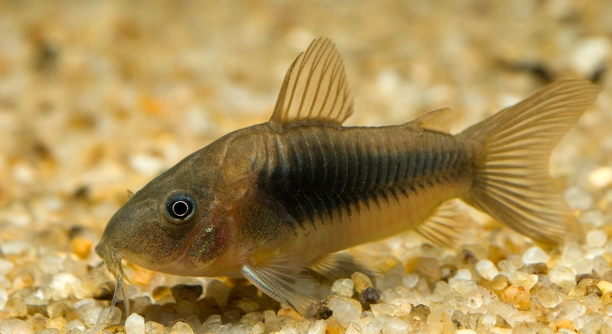
Have you ever worried about whether your Corydoras catfish is as healthy as it should be in your aquarium setup?
A healthy Corydoras catfish will display consistent activity, clear eyes, smooth fins, and a good appetite. Observing for signs like clamped fins, discoloration, or erratic swimming helps determine if something may be wrong.
Knowing what symptoms to watch for can help you support your Corydoras and maintain a peaceful and healthy tank environment.
What a Healthy Corydoras Catfish Looks Like
A healthy Corydoras catfish is active and alert, often found swimming along the bottom of the tank in small groups. They have clear, bright eyes and their bodies should appear clean and smooth, without any visible injuries, bloating, or signs of stress. Their fins should be fully extended and free from fraying or discoloration. When feeding, a healthy Corydoras will show interest and eat with energy. Breathing should be steady and not rapid, and their barbels—those little whiskers—should be intact and clean. If they’re resting, they’ll do so calmly, not lying on their sides or floating oddly. Their colors, while naturally subtle, should not appear dull or faded. A well-kept tank with proper water parameters plays a big part in keeping these fish thriving. Keeping an eye on how they behave daily helps you know when something’s off before it becomes a bigger issue.
Healthy fish look alert, respond to movement, and maintain normal group behavior patterns.
Observing their habits, especially during feeding and rest, gives you a good picture of their overall health. A Corydoras that keeps to its routine, shows no signs of damage, and has steady energy is likely in good shape.
Symptoms That May Point to a Problem
Look out for physical signs such as frayed fins, swollen bellies, pale skin, or cloudy eyes. Behavioral changes like erratic swimming, hiding all the time, or refusing food can also signal an issue.
Faded color or a change in posture, like staying at the top of the tank or lying still at the bottom, often means something is wrong. Clamped fins can indicate stress, poor water quality, or infection. Labored breathing or gasping at the surface is a serious concern and may mean low oxygen or gill problems. If your Corydoras stops moving in its usual group or isolates itself, it might be feeling unwell. Fin rot, white patches, or signs of parasites are visible symptoms you should never ignore. Poor tank hygiene, sudden temperature shifts, or incompatible tank mates can also affect their health. Quick action helps prevent worsening conditions. Regular checks and knowing what to look for keep your fish safe and reduce the risk of long-term illness.
Common Causes Behind Corydoras Health Issues
Poor water quality is one of the biggest reasons Corydoras become unhealthy. High ammonia, nitrite, or nitrate levels can irritate their skin and gills, causing stress, disease, and even death if left untreated for too long.
Overcrowding and incompatible tank mates also lead to stress and injuries. Corydoras do best in peaceful setups with plenty of room to swim and hide. Sharp or rough substrates can damage their delicate barbels, leading to infection. Sudden changes in temperature or pH levels can shock their system and weaken their immune response. Improper feeding, like giving them food that sinks too slowly or doesn’t suit bottom-feeders, may lead to malnutrition. Clean water, regular testing, and feeding habits that match their needs can make a noticeable difference. A stable, quiet, and well-maintained tank helps prevent most common issues that affect these fish.
Ignoring early signs of illness often makes things worse. Watch their daily habits closely.
Tank maintenance matters just as much as feeding. Dirty filters, leftover food, and skipped water changes can trigger bacteria build-up and health decline. Cleaning schedules, soft substrate, and gentle tank mates all play a role in preventing avoidable problems from showing up in your Corydoras catfish.
How to Support Recovery in a Sick Corydoras
Separate the sick fish into a quarantine tank if possible. This helps prevent the spread of illness and allows you to treat symptoms directly without stressing the rest of the tank.
Check water quality right away. Test for ammonia, nitrite, nitrate, and pH. Even small imbalances can make recovery harder.
When to Use Medication or Natural Remedies
Only use medication if you’re sure of the illness and have ruled out poor water conditions. Treating without knowing the issue can harm your Corydoras even more. Medications like antifungal or antibacterial treatments can work, but always follow dosage instructions carefully. Natural remedies, like aquarium salt baths or adding Indian almond leaves, may help reduce stress and support healing, but not all are safe for Corydoras. Avoid copper-based treatments, as these can be dangerous for bottom-dwelling fish. Keep the tank warm and oxygenated. Reduce lighting and limit disturbances so your fish can rest and recover properly. Observe daily and look for signs of improvement before returning the fish to the main tank.
Monitoring After Recovery
Keep observing your Corydoras for at least a week after they seem better. Sudden changes in behavior or appetite may suggest lingering issues.
FAQ
How often should I check on my Corydoras catfish?
It’s best to check on your Corydoras daily. A quick look during feeding time can tell you a lot. Watch how they move, how they eat, and whether they stay with the group. Healthy fish will be active, alert, and respond well during feeding. If you notice changes like hiding more than usual, lack of interest in food, or unusual swimming patterns, that’s your signal to look deeper. Regular daily checks also help you catch problems early, like fin damage or illness, before they get worse.
What temperature is best for Corydoras catfish?
Most Corydoras species do best in water temperatures between 72°F and 78°F (22°C to 26°C). Try to keep the temperature steady without sudden swings. Avoid placing the tank near windows or heat sources that might cause unexpected changes. Consistent temperature helps with digestion, immunity, and overall comfort. If the water gets too cold or too warm, it can lead to stress and sickness. Using a reliable heater and thermometer can make a big difference in keeping them comfortable.
Can poor diet affect their health?
Yes, it definitely can. Corydoras are bottom feeders and need sinking food that reaches them easily. Feeding only flake foods can leave them undernourished, especially if other fish get to the food first. A balanced diet includes sinking pellets, wafers, and occasional protein treats like bloodworms or brine shrimp. Uneaten food that sits in the substrate can also rot and harm water quality, so feed in small amounts and clean up what’s left. A varied and targeted diet supports energy, growth, and long-term health.
Why are my Corydoras gasping at the surface?
Gasping at the surface usually means there’s not enough oxygen in the water. This could be due to poor water flow, dirty filters, high temperatures, or overcrowding. Check the filter and make sure the water surface is being disturbed enough to allow oxygen exchange. Adding an air stone or adjusting the filter flow can help. If the water feels too warm, try lowering it slightly to hold more oxygen. Make sure your tank isn’t overstocked and always perform regular water changes.
How do I know if my Corydoras is stressed?
Signs of stress include hiding constantly, clamped fins, erratic swimming, loss of color, or a sudden lack of appetite. Stress can come from poor water quality, sudden changes in temperature or pH, bullying from other fish, or a lack of hiding spaces. You can help reduce stress by creating a calm tank setup with soft substrate, hiding spots, gentle lighting, and peaceful tank mates. Keeping the environment steady and predictable goes a long way in keeping stress low.
Do Corydoras catfish need to be in groups?
Yes, Corydoras are social fish and should always be kept in groups of at least six. When alone or in too-small groups, they can become shy, stressed, or inactive. In groups, they show more natural behaviors and seem more confident in exploring their environment. It’s also easier to spot unusual behavior when you can compare one fish to the rest of the group. Keeping them in a proper-sized group supports their emotional well-being and general health.
What should I do if one Corydoras dies?
Remove the dead fish immediately to prevent water contamination. Test the water for ammonia, nitrite, nitrate, and pH to see if anything is off. Observe the remaining fish closely for any unusual signs. If you suspect disease, a partial water change and quarantine may help. Sometimes, fish die from old age or unrelated health issues, but it’s always a good idea to check for environmental causes. Keeping records of water test results and fish behavior helps spot patterns before more fish get sick.
Can Corydoras get bored?
They can become less active if their environment lacks stimulation. A bare tank with no plants, hiding spots, or varied substrate can lead to dull behavior. Adding soft plants, tunnels, or shaded areas encourages them to explore more. Even placing their food in different spots gives them something to do. Group interaction helps keep them active too. Giving them a space where they can forage and feel safe makes a big difference in keeping them curious and healthy.
Final Thoughts
Keeping Corydoras catfish healthy is all about daily care and small habits. Watching them during feeding times, checking the water quality, and noticing any changes in their behavior can help you catch problems early. These fish are hardy, but like all pets, they need the right environment to thrive. Clean water, good food, and a calm tank setup make a big difference. It doesn’t take long to spot when something is off if you’re paying attention. Whether it’s odd swimming, changes in appetite, or physical signs like damaged fins or spots, your quick action can help them recover faster. Small efforts add up over time, especially when you stay consistent with tank maintenance and keep an eye on how they interact with each other.
Corydoras are social and peaceful, and they do best when they live in groups. Watching them swim together and explore the tank can be enjoyable and even relaxing. They like to dig around the bottom, rest under leaves, or gently bump into one another. This kind of activity means they’re doing well. On the other hand, a quiet or isolated Corydoras might be struggling. That’s why it’s important to know what healthy behavior looks like. Once you understand their normal habits, it becomes easier to tell when something needs attention. And it’s not always something major—sometimes a small change, like adding more hiding places or switching up the food, can make them more active and comfortable again.
The more time you spend with your Corydoras, the more confident you’ll feel about their health. It becomes easier to read their signs and spot early symptoms. You don’t have to be an expert to keep them healthy—you just need to be consistent and observant. Water testing, proper feeding, and keeping a calm tank are the basics. Most health issues can be avoided by keeping their environment stable and stress-free. With just a little attention and regular care, your Corydoras can live a long and healthy life. Watching them swim and interact in a clean, well-kept tank is a great reward for your effort. And when they’re healthy, they add a lot of quiet charm to your aquarium.

Hello,
If you enjoy the content that we create, please consider saying a "Thank You!" by leaving a tip.
Every little bit helps us continue crafting quality advice that supports the health, happiness, and well-being of pets around the world, for pets of all shapes, sizes, and species.
We really appreciate the kindness and support that you show us!