
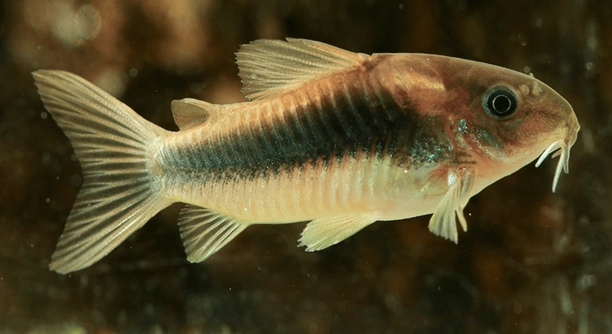
Corydoras catfish are popular freshwater aquarium fish known for their peaceful nature. However, you might notice that they often prefer certain tank mates over others. Understanding this preference can help ensure a harmonious aquarium environment.
The primary reason for a Corydoras catfish’s preference for certain tank mates lies in their social nature and compatibility. These fish tend to thrive with similarly peaceful species, which can reduce stress and encourage natural behaviors.
Knowing what influences your Corydoras’ tank mate choices can improve the overall balance of your aquarium. We will explore seven key factors contributing to these preferences.
1. The Importance of Peaceful Tank Mates
Corydoras catfish are naturally peaceful and prefer a calm, stress-free environment. They don’t thrive in aquariums with aggressive or overly active fish. Tank mates that are too large or too dominant can cause anxiety, affecting the catfish’s health. When choosing tank mates, it’s important to consider the behavior of other fish. Smaller, peaceful species that swim slowly and stay away from the bottom are usually ideal companions. Corydoras are bottom dwellers, and they feel most comfortable when other fish respect their space. Fish that are known to pick on others or chase them can create a stressful environment, disrupting the peaceful nature of the catfish. Ensuring that the entire tank has compatible species is key to a healthy ecosystem for your Corydoras.
Peaceful tank mates are not just about avoiding aggression. They also help create a balanced aquarium where every fish can thrive.
Fish like tetras, guppies, or mollies are often perfect partners for Corydoras catfish. These species are similarly calm, ensuring that your catfish won’t feel threatened or out of place. When all fish in the tank have compatible temperaments, the aquarium remains a peaceful habitat where the fish can interact without fear.
2. Temperature Preferences
Temperature plays a significant role in the well-being of Corydoras catfish. These fish are native to warmer waters, so they are most comfortable in tanks that maintain a stable temperature between 72°F and 78°F (22°C to 26°C). When tank mates prefer significantly different temperatures, it can cause stress for the catfish. They will often avoid fish that require cooler water, as this can lead to health problems. A drastic shift in temperature can be harmful to Corydoras, as it can affect their immune system and overall behavior.
Incompatible temperature requirements can make Corydoras catfish feel uncomfortable and vulnerable.
Choosing tank mates that enjoy the same temperature range ensures your Corydoras will feel at ease. Species that also prefer warm water conditions, such as rasboras or platies, are good matches. Maintaining a consistent and suitable temperature helps all your fish remain healthy and stress-free.
3. Size Compatibility
Corydoras catfish are small and delicate, which makes tank mates of similar size important. Fish that are much larger than the Corydoras can unintentionally cause harm, even if they don’t mean to. Larger fish may push them around while feeding or simply dominate the tank. A balanced size ratio is crucial for ensuring both the catfish and their companions are comfortable.
Tank mates that are too large can cause Corydoras to hide, reducing their activity and feeding time. This not only affects their social behavior but can lead to stress and other health issues.
To prevent this, choose smaller fish that won’t intimidate or overshadow the Corydoras. Fish like neon tetras or dwarf gouramis work well because they are small enough to coexist peacefully with catfish. Ensuring a balance in fish size keeps the aquarium stress-free and promotes healthy interactions.
4. Social Behavior
Corydoras catfish are naturally social creatures, and they prefer to be in groups. When they’re housed alone or with fish that aren’t as social, they can feel isolated. Pairing them with similarly social fish will help reduce stress and ensure they’re happier in their environment.
Fish that prefer to be in schools, like tetras or rasboras, are good choices. These species share a similar social behavior and will encourage the Corydoras to engage and feel more secure. Fish that tend to be solitary or territorial might cause the catfish to retreat, further affecting their well-being.
A group of Corydoras catfish can also be a great way to add interest to the tank. Observing their group interactions can be quite entertaining, and their social behavior can help encourage a peaceful, harmonious environment among all fish.
5. Water Quality and pH Compatibility
Corydoras catfish are sensitive to changes in water quality and pH levels. They prefer slightly acidic to neutral water, with a pH range between 6.0 and 7.5. Fish that require significantly different pH levels might make the catfish uncomfortable.
Tank mates that thrive in similar water conditions help maintain a stable, healthy environment. If fish require different pH levels, it could lead to stress, reduced activity, and potential health issues for Corydoras catfish.
When selecting tank mates, always ensure that their pH and water hardness preferences align with your Corydoras. Fish like neon tetras and guppies, which also enjoy neutral pH, can create a better environment for all fish.
6. Feeding Habits
Corydoras catfish are scavengers and will spend much of their time foraging on the tank’s bottom for food. Tank mates that feed at different levels can help reduce competition and ensure everyone gets enough to eat. Fish that feed at the surface or midwater levels tend to avoid disturbing the catfish during their feeding sessions.
Choosing tank mates with different feeding habits also ensures that Corydoras can access food easily without feeling threatened or crowded. Fish like guppies and bettas, which feed primarily at the surface, can be perfect tank mates. This balance prevents aggression and ensures each fish is well-fed.
7. Activity Levels
Corydoras catfish are relatively slow-moving fish, and their low energy levels make them more vulnerable to faster, more active tank mates. Fish that are constantly swimming around can overwhelm Corydoras, causing them to retreat and avoid socializing. Ideally, tank mates should have similar energy levels to allow for peaceful coexistence.
Choosing fish with moderate or low activity levels can help reduce stress. Tetras, guppies, and small gouramis are examples of species that complement the Corydoras’ slow nature. These fish can interact peacefully, allowing the catfish to feel more comfortable and secure in their surroundings.
FAQ
Can Corydoras catfish live with bettas?
Corydoras catfish can live with bettas, but there are a few things to keep in mind. Bettas are known for their territorial behavior, especially the males, which can sometimes become aggressive. However, if you have a female betta or a peaceful male, they can coexist with Corydoras. It’s important to ensure the betta isn’t overly aggressive toward the catfish, as the slow-moving nature of the Corydoras makes them an easy target for any aggression.
What size tank do Corydoras catfish need?
Corydoras catfish are small and don’t require a large tank, but they do need adequate space. A minimum of a 20-gallon tank is recommended for a small group of Corydoras. This provides them with enough room to swim around and establish their territory. If you plan to house other fish, you’ll need a larger tank to maintain water quality and ensure all species are comfortable.
Can Corydoras catfish live with goldfish?
It’s not recommended to house Corydoras catfish with goldfish. Goldfish produce a lot of waste, which can affect the water quality and create an unhealthy environment for Corydoras. Goldfish also prefer cooler water, while Corydoras thrive in warmer temperatures. The temperature difference and waste load can lead to stress and health problems for the catfish.
Do Corydoras catfish need to be in groups?
Yes, Corydoras catfish are social creatures and thrive when kept in groups. A minimum of three to five Corydoras is recommended. This helps them feel secure and reduces stress. When kept alone, they can become skittish and hide most of the time. A group allows them to interact with each other and creates a more natural, comfortable environment.
Can Corydoras catfish live with shrimp?
Corydoras catfish can live with shrimp, but the size and species of the shrimp matter. Smaller shrimp, like cherry shrimp, can coexist peacefully with Corydoras. However, larger species such as ghost shrimp might be at risk of being harassed or even eaten by the catfish, depending on their size. It’s best to choose peaceful shrimp species that are not too small to be considered food.
Do Corydoras catfish need special food?
Corydoras catfish are bottom feeders and enjoy sinking pellets, which are specially formulated for their diet. They also eat leftover food from other fish. A varied diet, including occasional live or frozen foods like bloodworms or brine shrimp, can provide them with added nutrients. Be sure to avoid overfeeding, as uneaten food can deteriorate water quality.
Can Corydoras catfish live with larger fish?
Corydoras catfish are best kept with smaller, peaceful fish. Larger fish can accidentally harm the catfish, especially if they are more aggressive or dominant in the tank. If you keep them with larger species, ensure the fish are not territorial or overly active, as this can stress the Corydoras.
What water conditions do Corydoras catfish prefer?
Corydoras catfish prefer slightly acidic to neutral water, with a pH between 6.0 and 7.5. The water temperature should be maintained between 72°F and 78°F (22°C to 26°C). Consistent water quality is crucial for their health, so regular water changes and a good filtration system are recommended.
How do you introduce new tank mates to Corydoras catfish?
When introducing new tank mates to Corydoras catfish, it’s important to go slowly. First, ensure the new fish are compatible in terms of size, temperament, and water requirements. Use a quarantine tank to observe the new fish for any signs of illness before introducing them to the main tank. Introduce them during a time when the Corydoras are least active to reduce stress. Monitor their behavior closely in the first few days to ensure they are getting along.
Can Corydoras catfish live with other bottom feeders?
Yes, Corydoras catfish can live with other bottom feeders, as long as they are peaceful. However, you need to be careful of overpopulation at the bottom of the tank, as it can create competition for food and space. Fish like other species of catfish, loaches, or certain species of plecos can be compatible, but always ensure they have different feeding habits to avoid conflict.
How often should I feed Corydoras catfish?
Corydoras catfish should be fed once or twice a day. It’s important to avoid overfeeding, as leftover food can pollute the water. A small amount of sinking pellets should suffice, with the occasional treat of live or frozen food. Always observe how much they are eating to adjust the feeding schedule accordingly.
Do Corydoras catfish need a filter?
Yes, Corydoras catfish require a filter to keep the water clean. They are sensitive to poor water quality, and a good filtration system helps maintain healthy conditions. However, the filter should not create strong currents, as Corydoras prefer calm water. Choose a filter with adjustable flow to suit the needs of all tank inhabitants.
What are the best tank mates for Corydoras catfish?
The best tank mates for Corydoras catfish are peaceful fish that enjoy similar water conditions. Small species like tetras, guppies, mollies, and rasboras are ideal. These fish tend to swim in the upper or middle levels of the tank, leaving the bottom for the Corydoras to forage.
Final Thoughts
Corydoras catfish are peaceful and social creatures that can thrive in a well-maintained tank with compatible tank mates. Their calm nature makes them an excellent choice for many community aquariums. However, it is important to remember that their specific needs regarding water conditions, food, and tank mates must be met for them to feel secure and healthy. By choosing compatible fish and ensuring the tank environment is suitable, you can create a peaceful and thriving aquarium for your Corydoras catfish.
When selecting tank mates for Corydoras, consider factors like water temperature, pH, and activity levels. Fish that are too active or aggressive can cause stress, while those with similar needs will coexist more peacefully. Keep in mind that Corydoras catfish are bottom dwellers, so they prefer tank mates that occupy the upper or middle levels. This balance helps avoid competition for space and food, allowing each fish to have its own territory. Observing your fish closely after introducing new tank mates will ensure a harmonious aquarium environment.
Ultimately, Corydoras catfish are relatively easy to care for as long as their basic needs are met. With the right tank setup and compatible companions, they can live long, healthy lives. Their playful nature and peaceful behavior make them a joy to observe, and their compatibility with many other fish species make them a popular choice for aquarium enthusiasts. By paying attention to their preferences and keeping their environment stable, you can ensure that your Corydoras catfish will thrive and contribute to the overall health of your aquarium.

Hello,
If you enjoy the content that we create, please consider saying a "Thank You!" by leaving a tip.
Every little bit helps us continue crafting quality advice that supports the health, happiness, and well-being of pets around the world, for pets of all shapes, sizes, and species.
We really appreciate the kindness and support that you show us!