
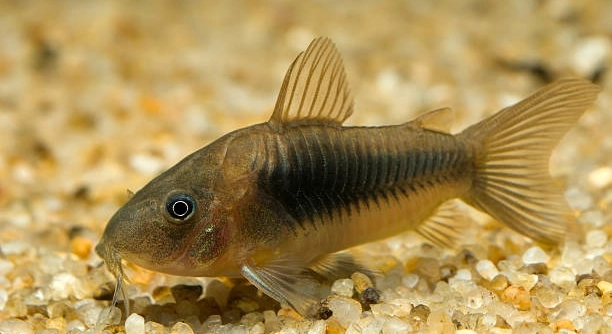
If you’ve noticed your Corydoras catfish suddenly hiding more than usual, it might have you wondering what’s going on. These active and sociable fish are generally known for their curiosity and playfulness. However, when their behavior changes, it’s important to observe closely.
The primary reason for your Corydoras catfish hiding more could be stress or discomfort. Environmental factors such as water quality, temperature, or tank mates might be causing your fish to seek refuge. These fish may retreat when they feel threatened, sick, or unsettled.
Understanding these potential causes will help you figure out how to support your fish in the best way possible. By identifying these factors early, you can work towards creating a comfortable and healthy environment for your Corydoras.
Water Quality Issues
One of the most common reasons your Corydoras catfish might start hiding is poor water quality. These fish are sensitive to changes in their environment, especially when it comes to water conditions. Ammonia, nitrites, and nitrates can build up in your tank if the filtration system isn’t working properly or if water changes are neglected. Additionally, fluctuating pH levels or extremely hard or soft water can also create stress for your fish. This stress can cause them to hide more often.
If you test your water and find any of these issues, it’s important to address them quickly. The best way to prevent water quality issues is by keeping a regular schedule of tank maintenance, which includes frequent water changes and monitoring water parameters. If necessary, improve the filtration system and consider adding live plants to help absorb excess waste. Also, avoid overfeeding, as uneaten food can cause water pollution.
Regularly checking your water parameters and cleaning your tank helps ensure a healthy and safe environment for your fish. By doing so, you reduce the chances of your Corydoras hiding due to water stress.
Tankmates and Social Stress
Corydoras catfish are social creatures that thrive in groups. When kept alone or with incompatible tank mates, they can feel isolated or threatened, leading them to hide more often. Aggressive fish, such as cichlids or larger species, may harass the catfish, causing them stress. Even other peaceful fish can sometimes become a problem if they are too active, crowding the Corydoras.
To minimize stress, try to keep Corydoras in small groups of at least three to five. This helps them feel more secure. It’s also important to research tank mates before adding them. If you notice any aggressive behavior or bullying, separating the fish may be necessary.
Creating a peaceful and harmonious tank environment is key to your Corydoras’ well-being. When they feel safe, they will be more active and confident, spending less time hiding. Proper socialization and carefully chosen companions can help them thrive.
Illness or Injury
Corydoras catfish can be quite sensitive to illness or injury. When sick or hurt, they tend to hide more often to conserve energy and protect themselves. Common signs of illness include changes in appearance or swimming behavior. If you notice such symptoms, it’s important to act fast.
Bacterial infections, parasites, or injuries from tank mates can all contribute to your catfish’s behavior of hiding. These fish are delicate and will often retreat when they are feeling unwell. If you spot any unusual spots, swelling, or difficulty swimming, it’s crucial to quarantine the affected fish and consult an expert.
Treating illnesses early is essential to prevent them from spreading to other fish in the tank. Always monitor the catfish for signs of improvement or worsening, and maintain good water quality to help with recovery. This will also prevent the infection from becoming a larger issue for the entire tank.
Temperature Fluctuations
Corydoras are quite particular about water temperature. They thrive in water between 72°F and 78°F (22°C to 26°C). If the temperature fluctuates too much, it can stress them out and cause them to hide. Even slight changes outside their preferred range can lead to discomfort.
Ensure your aquarium heater is functioning properly and that the water temperature remains stable. Corydoras are bottom dwellers, so they tend to be more sensitive to temperature changes in the lower parts of the tank. Keeping a thermometer in the tank will help you monitor the situation regularly and prevent sudden shifts.
Adding an aquarium fan or adjusting the room temperature might be necessary if you notice significant variations. Be aware of temperature differences, especially during seasonal changes. Keeping your tank’s temperature consistent will help reduce stress and ensure that your Corydoras stay active and healthy.
Diet and Feeding Habits
Corydoras catfish are scavengers that feed on small particles on the tank floor. If they are not getting enough food or are offered an improper diet, they may become stressed and start hiding more. Poor diet can also lead to nutritional deficiencies, weakening their immune system.
To keep your Corydoras healthy, offer them a varied diet that includes high-quality sinking pellets, live or frozen foods like bloodworms, and occasional plant matter. Make sure to remove uneaten food promptly to prevent it from decomposing and affecting water quality. Regular feeding also helps ensure that they feel secure and nourished.
Overfeeding can lead to waste buildup, so it’s important to find a balance. If your Corydoras are hiding despite a regular feeding schedule, check the type of food you’re offering and ensure it’s suitable for their needs. The right diet will encourage them to explore their environment more actively.
Tank Size and Space
Corydoras catfish need adequate space to move around comfortably. If your tank is too small or overcrowded, they might feel stressed and hide more often. A cramped environment limits their ability to explore and interact with others, increasing anxiety.
Make sure your tank is at least 20 gallons, especially if you have multiple Corydoras. They are active fish and need space to swim freely. Overcrowding can also lead to poor water quality, which adds another layer of stress. The more room they have to roam, the less likely they are to feel threatened and hide.
Sudden Changes in Environment
Corydoras can be easily stressed by sudden changes in their environment. Moving decorations, shifting substrate, or rearranging tank mates can unsettle them. Even something as simple as adding new water can cause stress if it’s not acclimated properly.
Try to keep the tank environment stable and make changes gradually. Corydoras appreciate consistency, so if you need to move things around, do it slowly. This gives them time to adjust. A stable environment helps them feel safe and encourages them to explore, instead of retreating to hiding spots.
Lighting Conditions
Bright or inconsistent lighting can make Corydoras feel exposed and unsafe. These fish prefer dimmer lighting, as it helps them feel more secure. If your tank is too bright, they might hide to avoid feeling vulnerable.
Investing in a dimmer light or creating shaded areas with plants or decorations can make a big difference. If your aquarium light is too strong, try reducing the light duration or moving it to a lower intensity. Keeping lighting consistent and gentle will help your Corydoras feel more relaxed and reduce hiding behavior.
Why is my Corydoras catfish hiding all the time?
Corydoras catfish can hide more frequently due to various reasons such as stress, illness, or poor water quality. If the water parameters like pH, temperature, or ammonia levels are off, the fish will hide to protect itself. They also become stressed from aggressive tankmates or a lack of food. Corydoras are bottom-dwelling fish, so they naturally seek shelter. It’s essential to observe for other symptoms like changes in appearance, breathing, or swimming patterns. Addressing water quality, checking tankmates, and providing them with a stable and safe environment can reduce hiding behaviors.
How do I know if my Corydoras is sick?
Sick Corydoras may show symptoms like loss of appetite, changes in coloration, or visible lesions on their bodies. They may also exhibit abnormal swimming behavior, like floating at the surface or struggling to swim normally. If your Corydoras is hiding more than usual, it could be a sign of illness. You may notice them rubbing against objects, indicating skin irritation. Any abnormal behavior should prompt a closer look at water quality and a possible quarantine of the affected fish. It’s best to consult an expert or veterinarian for accurate diagnosis and treatment.
Can Corydoras catfish live alone?
While Corydoras catfish can survive alone, they are social animals and thrive when kept in groups. They feel more secure and less stressed when surrounded by others of their kind. If kept alone, they may become more reclusive, hiding more often. A small group of at least three Corydoras is ideal, as they will interact with each other and feel safer in a group. This not only keeps them more active but also helps them feel more at ease, reducing the chances of hiding frequently.
What water conditions are best for Corydoras?
Corydoras prefer slightly acidic to neutral water with a pH level between 6.0 and 7.5. They also thrive in a temperature range of 72°F to 78°F (22°C to 26°C). It’s crucial to maintain stable water conditions, as fluctuations can stress them out and cause hiding behavior. Make sure the water is clean, with low levels of ammonia, nitrites, and nitrates. Regular water changes and using a reliable filtration system can help maintain the ideal environment. Additionally, soft to moderately hard water is preferred, so monitoring water hardness is important.
Can Corydoras catfish be kept with other fish?
Yes, Corydoras catfish are peaceful and can be kept with a variety of other fish, but it’s important to choose tankmates wisely. Avoid aggressive fish that might harass or bully them, such as large cichlids. Other peaceful bottom dwellers or mid-water fish are ideal companions. Corydoras tend to get along well with species like tetras, guppies, and small livebearers. Make sure there is enough space in the tank for all fish to avoid overcrowding and territorial issues. Keeping your Corydoras with the right tankmates helps them feel secure and reduces hiding behavior.
What should I feed my Corydoras catfish?
Corydoras are bottom-feeding scavengers, so they primarily eat food that sinks to the bottom of the tank. You can feed them sinking pellets, algae wafers, or frozen food like bloodworms or daphnia. They will also graze on leftover food particles that settle on the substrate. It’s important to offer them a varied diet to ensure they get all the nutrients they need. Overfeeding can lead to water quality issues, so remove any uneaten food within a few hours. Providing a balanced diet helps keep them healthy, active, and less likely to hide.
How can I make my Corydoras feel more secure in the tank?
To make your Corydoras feel more secure, consider providing plenty of hiding spots, such as caves, plants, or other decorations. These fish feel safer when they have a place to retreat to if they feel threatened. Additionally, maintaining stable water conditions and a consistent lighting schedule will help reduce stress. If your tank has bright lighting, try dimming it or creating shaded areas with plants to mimic their natural habitat. A peaceful tank environment with compatible tankmates will also reduce stress, helping your Corydoras feel comfortable and less likely to hide.
Why is my Corydoras not eating?
If your Corydoras catfish isn’t eating, it could be due to poor water quality, illness, or stress from incompatible tankmates. Changes in water parameters, such as ammonia spikes or incorrect pH levels, can cause them to stop feeding. Stress from aggressive fish or overcrowding can also lead to loss of appetite. Check the water quality and ensure there are no major fluctuations. If the issue persists, observe the catfish for any signs of illness, such as swelling or lesions, and consider consulting a specialist. A sudden change in diet or overfeeding could also make them lose interest in food.
How often should I clean my Corydoras tank?
To keep your Corydoras healthy, it’s essential to clean the tank regularly. Perform partial water changes of about 25% every week to maintain clean water. Additionally, vacuum the substrate to remove any uneaten food or waste that may have settled. This helps prevent ammonia buildup, which could stress your fish. Clean the filter every 3-4 weeks to keep it functioning efficiently, but avoid changing it all at once to preserve beneficial bacteria. Consistent maintenance is key to a healthy, stress-free environment for your Corydoras catfish.
Corydoras catfish are generally hardy and peaceful, making them a great addition to many aquariums. However, like all fish, they have specific needs that must be met to ensure their well-being. If your Corydoras is hiding more than usual, it could be a sign that something isn’t right in their environment. It’s essential to monitor factors like water quality, temperature, and tankmates to make sure they’re comfortable. Small adjustments in their care routine can often make a big difference in their behavior.
Stress is one of the main reasons why Corydoras catfish hide. Whether it’s from poor water conditions, aggressive tankmates, or even inappropriate tank size, stress can cause your fish to retreat to safer areas of the tank. Keeping the tank environment stable and peaceful is crucial. Corydoras thrive in groups, so having at least three to five in a tank will help them feel more secure. Ensuring that there are plenty of hiding spots, such as plants or rocks, can also provide them with the security they need to feel safe and reduce the amount of time they spend hiding.
By addressing the potential causes of hiding, you can help your Corydoras feel more comfortable and active. Regular maintenance of the tank, such as water changes and cleaning, as well as feeding them a balanced diet, goes a long way in keeping them healthy. If you notice signs of illness, such as changes in appearance or swimming behavior, it’s important to take action immediately to prevent the issue from worsening. Ultimately, creating a stable and peaceful environment is key to ensuring your Corydoras remain happy and healthy in your aquarium.

Hello,
If you enjoy the content that we create, please consider saying a "Thank You!" by leaving a tip.
Every little bit helps us continue crafting quality advice that supports the health, happiness, and well-being of pets around the world, for pets of all shapes, sizes, and species.
We really appreciate the kindness and support that you show us!