
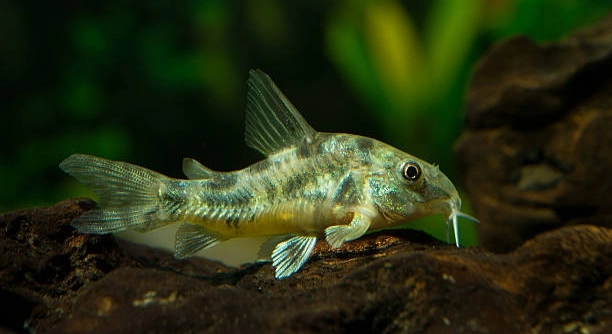
Corydoras catfish are a popular addition to many aquariums due to their peaceful nature. However, they may struggle if the water flow is poor, affecting their overall health and behavior. Identifying symptoms early can help.
Poor water flow can affect the health of your Corydoras catfish in several ways. Symptoms such as lethargy, difficulty breathing, and abnormal swimming behavior often signal inadequate water movement. Monitoring water flow and adjusting it can prevent further issues.
Understanding these signs is essential to maintaining a healthy environment for your catfish. Proper water flow is crucial for their well-being, and recognizing symptoms early will help keep them thriving.
Signs of Poor Water Flow in Corydoras Catfish
Corydoras catfish are known for their calm demeanor, but they are sensitive to their environment, especially water flow. When the current is too strong or too weak, it affects their ability to swim, breathe, and feed. Poor water flow can cause them to become stressed and inactive. If your fish are constantly hiding or showing irregular swimming patterns, water flow could be the issue. Another common sign is when your catfish struggle to reach the surface for air. Reduced activity or odd behavior can sometimes be traced to water quality and circulation problems, which makes monitoring your tank’s flow essential for their health.
While Corydoras are hardy, improper water flow can lead to health issues over time. Fish often become lethargic or struggle to move if water isn’t circulating enough. In addition, stagnant areas can trap debris, lowering water quality.
Corydoras prefer a gentle current to mimic the slow-moving rivers they come from. If the flow is too weak, they might not get enough oxygen, affecting their respiration. On the other hand, if the flow is too strong, it can exhaust them. The best way to address this is by ensuring a balanced water flow throughout your tank. You can adjust the filter or move decorations to improve circulation. Using a sponge filter is an excellent option for gentle, consistent movement without creating too much disturbance.
How to Adjust Water Flow
When dealing with poor water flow, it’s crucial to assess the overall setup of your aquarium. Check the filter’s settings first; most modern filters have adjustable flow rates. If your tank’s filter is too strong, it may be pushing the catfish around. A filter with adjustable flow can be set to a gentler current. Alternatively, moving the filter’s position in the tank or using a baffle to soften the current may help.
Another key step is adjusting the placement of any decorations in the tank. Items like rocks and plants can disrupt the water flow, creating stagnant areas where the fish might struggle to swim. A well-arranged tank promotes better circulation. Adding or repositioning a few elements can have a noticeable impact on water movement. Always check to see that the water is circulating evenly across all areas. This adjustment is easy but can significantly improve your fish’s health and comfort.
Symptoms of Poor Water Flow
When water flow is inadequate, Corydoras catfish may show signs of stress. They often appear lethargic, spending more time at the bottom of the tank or hiding. Their gills might also appear to move more rapidly as they try to compensate for low oxygen levels in the water.
In addition to slowed movement, you may notice that your catfish struggle to swim against the current. They could be leaning into a corner or staying in areas where the water flow is minimal. Some may even become more aggressive with tank mates, as stress levels increase. These changes in behavior can usually be traced back to poor water flow.
If your catfish start avoiding feeding times, it could be another sign that they are being impacted by poor water circulation. They rely on steady water movement to access food easily. Low flow could cause them to miss food particles, further affecting their health. It’s important to act quickly if you spot these signs.
Checking Water Flow in Your Aquarium
To assess water flow, you need to observe the tank’s current in different areas. Use a small piece of floating debris or a leaf to track water movement. If it stays still in certain spots, the flow is likely insufficient in those areas. Pay close attention to the spots where your fish are most often found.
After locating stagnant spots, make necessary adjustments. You may need to reposition your filter or add a water pump to circulate water more effectively. Sometimes a gentle movement, like rearranging plants or decorations, can help redistribute flow. Keeping your tank clean also prevents debris from clogging the filter, which can affect water circulation. Regularly maintaining your tank and its filtration system is key for avoiding poor water flow. It ensures your catfish will have access to clean, well-circulated water.
Adjusting Filter Settings
If you notice poor water flow, the first step is to adjust your filter. Many filters allow you to control the water flow, so reducing the speed can provide a gentler current for your Corydoras. This simple adjustment can help them feel more comfortable in their environment.
If your filter does not have an adjustable setting, consider replacing it with one that does. You can also use filter sponges or baffles to diffuse the water flow. These options allow for more gentle circulation without compromising filtration. It’s essential to maintain a balance between water movement and proper filtration.
Improving Tank Layout
In some cases, water flow issues can be solved by simply rearranging your tank’s layout. Make sure there are no obstacles blocking the flow of water. Large decorations or rocks can disrupt movement, causing stagnant areas that will affect your fish’s health. Creating an open space in the middle can encourage better circulation.
Repositioning plants and other objects can direct water flow more efficiently throughout the tank. Try placing decorations along the edges of the tank or at the back to avoid obstructing the current. This can help in keeping water moving properly, ensuring that your Corydoras have plenty of oxygen and room to swim.
Testing Water Quality
Water quality is another factor that can affect how well your filter works. Poor water conditions, such as high levels of ammonia or nitrites, can clog the filter, making it harder for the water to circulate. Regularly testing your water helps you catch these problems early.
FAQ
How do I know if my Corydoras catfish is struggling with poor water flow?
The most obvious signs include lethargy, abnormal swimming patterns, or hiding. If your catfish appear sluggish or have difficulty swimming against the current, poor water flow may be the cause. They might also struggle to reach the surface for air or remain in stagnant areas.
Can I fix poor water flow without replacing my filter?
Yes, you can. First, adjust the filter settings if it has an adjustable flow. If not, you can add a sponge filter or use a baffle to reduce the intensity of the current. Rearranging tank decorations or adding small water pumps can also help improve flow without needing a new filter.
How strong should the water flow be for Corydoras catfish?
Corydoras catfish thrive in gentle water flow. They come from slow-moving rivers and prefer a calmer environment. You should aim for a moderate current that keeps the water circulating without pushing the fish around. Too strong of a flow can exhaust them, while too weak can lead to stagnant water.
Why is it important to maintain proper water flow in my aquarium?
Proper water flow helps ensure oxygen distribution and filtration throughout the tank. It prevents the build-up of waste and debris, maintaining better water quality. For Corydoras, a well-circulated tank provides the right environment for swimming, breathing, and feeding, supporting their overall health.
Can water flow affect other fish in the tank?
Yes, poor water flow can affect all fish in the tank. Species that prefer stronger currents may struggle in stagnant water, while fish that enjoy calmer water, like Corydoras, can become stressed in strong currents. Ensuring balanced water flow benefits all the fish in your aquarium.
What are the common mistakes when setting up water flow for Corydoras?
One common mistake is using a filter with too strong of a current. Corydoras prefer gentle flow, so a powerful filter may create a current that is too intense. Another mistake is not monitoring the flow after setting it up, leading to areas of stagnant water that can harm your fish.
Can I use a sponge filter for Corydoras?
Yes, sponge filters are an excellent choice for Corydoras catfish. They provide gentle water movement and are easy to maintain. They also offer good filtration without disturbing the fish. Just ensure that the sponge filter is sized appropriately for your tank and can provide enough filtration.
How often should I adjust the water flow in my tank?
It’s a good idea to check the water flow every few weeks, especially after cleaning the tank or rearranging decorations. Filters may become clogged over time, affecting their performance. Regularly monitoring the flow and adjusting it as needed ensures the fish are comfortable and the water stays clean.
Can poor water flow cause health problems for my Corydoras?
Yes, poor water flow can lead to health problems for Corydoras catfish. Inadequate circulation can cause low oxygen levels, which can result in respiratory issues. Stress from improper water flow can weaken their immune systems, making them more susceptible to diseases. Over time, poor flow can affect their overall well-being.
How do I test the water flow in my aquarium?
To test the water flow, drop a small floating item like a leaf or piece of paper into the tank and observe its movement. If the item stays still or moves slowly in certain areas, the water flow may be inadequate. This simple test helps you determine where adjustments are needed.
Is it necessary to have a high-tech filter for proper water flow?
No, you don’t need a high-tech filter to maintain proper water flow. A basic filter with an adjustable flow rate can do the job just fine. The key is to ensure that the flow is gentle and consistent. You can also use additional equipment like sponge filters or water pumps for more control.
Should I move decorations to improve water flow?
Yes, moving decorations can help improve water flow. Large objects or rocks can block the flow of water, creating stagnant spots. By rearranging or removing certain decorations, you can encourage better circulation throughout the tank. This helps ensure that all areas of the tank are properly oxygenated and filtered.
How do I know if my filter is too strong for my Corydoras?
If your Corydoras are constantly being pushed around or struggling to swim against the current, the filter may be too strong. Look for signs like fish hiding in corners or staying near the bottom of the tank. Adjust the flow or use a filter baffle to reduce the strength of the current.
What is the best type of filter for Corydoras?
A sponge filter is often the best option for Corydoras catfish. It provides gentle filtration while creating a mild current. This type of filter works well for tanks with fish that need a calmer environment, like Corydoras. If you need more filtration power, consider adding a gentle water pump to support it.
Can I use a powerhead for water flow adjustment?
Yes, a powerhead can be used to adjust water flow in the tank. However, it’s important to choose one with a flow rate that suits Corydoras. Using a powerhead with a strong current may stress the fish, so opt for a lower flow rate or a diffuser to soften the impact.
Final Thoughts
Ensuring that your Corydoras catfish have the proper water flow is essential for their overall health and well-being. These fish prefer calm water with gentle currents, so understanding their specific needs is key. If your tank has strong water flow, it could cause your Corydoras to become stressed or lethargic, leading to health issues. On the other hand, if the water flow is too weak, it can create stagnant areas that can lead to poor water quality, which also affects their health. Regular monitoring of the water flow and adjusting it as needed ensures that the environment remains comfortable for your fish.
There are several ways to adjust water flow without replacing your filter. You can reduce the current by adjusting the filter settings, using a sponge filter, or installing a baffle to diffuse the water. It’s also helpful to rearrange decorations in the tank to improve circulation. By making simple adjustments, you can create a balanced environment where your Corydoras can thrive. If you find that your filter is still too powerful, you may want to consider switching to one with adjustable flow settings or using additional equipment like water pumps to maintain the right balance.
Maintaining a proper water flow is not just about comfort for your Corydoras, but also about overall tank health. The right flow helps keep the water oxygenated and filtered, supporting a healthy ecosystem for all the fish in your tank. Remember to test the water regularly and make adjustments as necessary. With a bit of attention to detail, your Corydoras will enjoy a healthier, happier life in their well-maintained tank.

Hello,
If you enjoy the content that we create, please consider saying a "Thank You!" by leaving a tip.
Every little bit helps us continue crafting quality advice that supports the health, happiness, and well-being of pets around the world, for pets of all shapes, sizes, and species.
We really appreciate the kindness and support that you show us!