
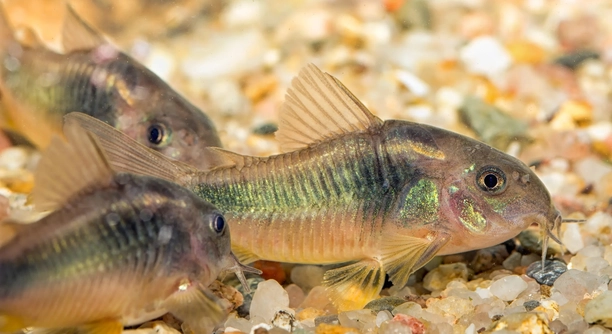
Have you recently moved your Corydoras catfish to a new tank and noticed some unusual behavior or changes in activity levels?
Corydoras catfish can experience stress after a tank move due to sudden changes in water parameters, environment, and social structure. These stress responses can manifest through physical symptoms, altered behavior, and weakened immune function, potentially affecting their overall health.
Recognizing the signs early can make a big difference in helping your fish adjust safely and comfortably to their new home.
Why Tank Moves Stress Corydoras Catfish
Moving Corydoras catfish to a new tank can be a stressful experience for them. These small bottom-dwelling fish are sensitive to environmental changes. When moved, they may face sudden differences in temperature, pH, water hardness, or filtration. Even small changes can impact their health. They rely on consistency to feel safe. Shifting decorations or removing familiar hiding spots can also affect their behavior. Corydoras enjoy stable routines and familiar surroundings. Disruptions may trigger physical and behavioral signs of stress. Being bottom dwellers, they are especially sensitive to debris and chemical levels that stir during moves. A new tank may also introduce unfamiliar fish, changing their social dynamics. While they are hardy, Corydoras need time to adjust. Gentle acclimation, matched water conditions, and keeping things calm can support a smoother transition. Watch for unusual behavior as they settle in. The better prepared you are, the easier the move will be on them.
Stress after a move can appear immediately or a few days later. It’s important to stay observant during this period.
Some Corydoras may eat less, become less active, or hide more often. Others may swim erratically or gasp at the surface. These signs should not be ignored.
7 Signs Your Corydoras Catfish Is Stressed
Corydoras often show subtle signs when something is wrong. A new tank can cause both short-term and lingering stress symptoms.
- Lethargy: If your catfish are resting more than usual or not exploring the tank bottom, it may signal stress.
- Loss of appetite: Skipping meals or ignoring food can be a sign their body is under pressure.
- Erratic swimming: Darting, looping, or pacing can show they feel unsafe or are reacting to water changes.
- Surface gasping: This may mean low oxygen levels or a poor water environment.
- Color fading: Dull or pale coloring is a visual clue of discomfort.
- Excessive hiding: A stressed fish may stay hidden far more than normal.
- Clamped fins: Fins held close to the body often mean the fish is not feeling well.
Each of these signs is worth paying attention to. With early care and stable conditions, most fish bounce back over time.
What You Can Do to Help Your Corydoras Adjust
Start by keeping the tank environment as calm and stable as possible. Avoid sudden light changes, loud noises, or frequent movements around the tank. Let them settle without extra disturbances.
Maintain water conditions similar to their previous setup. Check temperature, pH, and hardness using reliable test kits. Gradually acclimate them if conditions differ. Add live plants or soft decorations to provide natural cover. Avoid adding new fish right away, as that can increase stress. Keep lights dim for a few days, and feed small amounts without overdoing it. Gentle filtration helps, but strong currents should be avoided. Observe their behavior closely each day. Look for signs of improvement, such as more active foraging or returning to social behavior. Small daily water changes can also help keep things fresh without shocking their system.
If symptoms continue, test for ammonia and nitrite levels. Even small spikes can stress Corydoras. Keep the tank clean, but avoid over-cleaning or removing beneficial bacteria. If water parameters are good and your fish are still struggling, consider adding a stress coat supplement. These products can help support their slime coat and ease recovery. Always research the ingredients before use. Keep feeding light but regular. Corydoras do better with consistency. Give them time, and they often bounce back without the need for medication or drastic changes.
Common Mistakes After a Tank Move
One mistake is changing too much at once. Corydoras thrive on routine, and too many changes can overwhelm them quickly. Let them adjust before rearranging décor, adding tankmates, or switching food.
Another issue is skipping proper acclimation. Pouring them straight into the new tank, even if the water looks clean, can cause shock. Float their bag first, then slowly add tank water to help them adapt. Also, people often forget to match water temperature and pH closely. Even small differences can affect Corydoras. Avoid overfeeding during this time—leftover food can raise ammonia. Don’t clean the filter or do a deep tank clean right after a move, as this removes helpful bacteria. Lastly, resist the urge to keep checking on them by turning lights on or tapping the glass. They need time and peace to adjust. Patience is key when helping them feel safe again.
How Long Stress Can Last in Corydoras
Mild stress usually fades within a few days if conditions are stable. If symptoms last longer than a week, something in the environment might still be off. Keep monitoring their behavior.
Long-term stress can weaken their immune system and lead to illness. Recovery depends on water quality, food, and tank mates.
When to Be Concerned
If your Corydoras stops eating completely, becomes very inactive, or shows signs like red patches or labored breathing, act quickly. These can signal a more serious issue like infection or poor water quality. Test the water and isolate the fish if needed. Some situations may require vet-approved treatment or advice from a fish care professional.
Final Thoughts on Stress After a Move
Gentle care, clean water, and patience go a long way. Most Corydoras settle in well when given a stable space and time to adjust.
FAQ
What is the best way to acclimate my Corydoras catfish after a tank move?
The best way to acclimate your Corydoras catfish is to float the bag they came in on the water surface for about 15–20 minutes to match the temperature. After that, gradually add small amounts of tank water to the bag every 5 minutes. This helps them adjust to the new water parameters without shocking them. Avoid putting them directly into the new tank without this process, as temperature or pH differences can cause stress or even harm. Once the water in the bag matches the tank conditions, gently release your catfish.
How can I tell if my Corydoras is adjusting well after a move?
If your Corydoras is adjusting well, they should slowly return to normal behavior. Look for signs of increased activity, like swimming at the bottom of the tank or exploring their environment. They may eat regularly and swim in schools with other fish. If you notice them hiding less and acting more like they did in their previous tank, it’s a good sign. Keep an eye on their coloring as well. If they regain their usual vibrant hues and stop hiding constantly, they are likely settling in.
Can Corydoras catfish live with other fish during a tank move?
Corydoras can live with other fish during a move, but it’s important not to add new tank mates immediately. After a tank move, your Corydoras will be stressed, and adding other fish can increase the chances of conflict. It’s best to wait until your Corydoras are more settled before introducing new companions. When adding new fish, make sure they’re peaceful and have similar water requirements. Aggressive fish or species that stress easily might make the adjustment period more difficult.
How long does it take for Corydoras to recover from stress after a tank move?
The time it takes for Corydoras to recover from stress depends on the severity of the move and the conditions of the tank. Typically, mild stress should resolve in a few days. More significant stress, however, could take up to a week or longer. If their behavior or health does not improve in this time, it’s a sign that something might still be wrong with their environment. Consistent water quality, proper feeding, and stability are key to helping them recover.
What should I do if my Corydoras is still stressed after a week?
If your Corydoras is still stressed after a week, it’s important to test the water parameters again. Check for ammonia, nitrite, pH, and temperature imbalances, as these can all affect their well-being. Ensure the tank is clean, but not overly clean, as you don’t want to disrupt the beneficial bacteria. You can also add aquarium stress coat treatments to help soothe their skin and slime coat. If the symptoms persist, consider isolating the fish to prevent bullying or stress from other tank mates. It may also be helpful to reduce the amount of feeding until they become more active.
Why is my Corydoras gasping for air after the tank move?
If your Corydoras is gasping for air after a tank move, the most likely cause is low oxygen levels in the water. When there’s a sudden shift in temperature or water quality, oxygen can become less available to your fish. Make sure your tank has proper filtration and aeration to increase oxygen levels. You can also perform a small water change to help improve water quality. Check that the water temperature and pH are within the ideal range for Corydoras, as poor water conditions can make it harder for them to breathe comfortably.
Can I add plants to the tank to help my Corydoras adjust?
Yes, adding plants to the tank can help Corydoras feel more secure after a move. These catfish are bottom dwellers that appreciate having natural hiding spots where they can retreat. Plants offer both visual cover and improve the overall water quality by absorbing excess nutrients. Soft, low-light plants like Java fern or Anubias are ideal. Just make sure that the plants are not placed in areas with strong water currents that might further stress your fish. Be sure to keep the tank environment stable and clean to prevent any unwanted algae growth.
Are there any signs I should watch for that indicate serious health issues after a move?
Yes, there are a few signs you should be aware of that may indicate serious health problems. If your Corydoras displays any of these symptoms, act quickly: persistent loss of appetite, visible wounds, excessive mucus on the skin, swollen or bloated belly, clamped fins, or difficulty swimming. These signs could indicate an infection or other serious illness. Red or white patches on the skin can also be concerning. If these symptoms persist, it’s best to quarantine the affected fish and consult a vet or a fish care professional for advice.
Can stress from a tank move cause permanent damage to my Corydoras?
Generally, short-term stress caused by a tank move is unlikely to cause permanent damage if the fish recovers properly. However, prolonged or severe stress can weaken their immune system, making them more susceptible to illness. This is why it’s important to monitor them closely during the adjustment period and ensure their environment remains stable. If their stress is not addressed, it can lead to long-term health problems. Providing consistent water quality and a peaceful environment will reduce the risk of lasting harm.
How can I prevent stress for my Corydoras in future tank moves?
To prevent stress during future tank moves, try to replicate the previous tank’s water parameters as closely as possible. This includes temperature, pH, and hardness levels. Limit the number of changes in the environment, such as tank size, substrate, or water flow. Slowly acclimate your fish using the drip acclimation method if there are any changes. Keeping decorations and hiding spots similar will help them feel more comfortable. Avoid moving your fish unless necessary and minimize disturbances during the process. Preparing ahead of time can make a big difference in reducing stress.
Moving Corydoras catfish to a new tank can be a stressful experience for both the fish and the owner. These small, peaceful fish are sensitive to changes in their environment, and even small disruptions can cause stress. Water temperature, pH, and the addition of new tankmates can all contribute to this stress. It’s important to provide them with a stable and consistent environment to help them adjust. By monitoring water conditions carefully, ensuring the tank has proper filtration, and avoiding sudden changes, you can help your Corydoras feel more comfortable in their new home.
Corydoras catfish are known for their calm nature, but they are sensitive to their surroundings. After a move, they may show signs of stress such as hiding more often, swimming erratically, or losing their appetite. These behaviors can be a normal response to the new environment, but if they persist, it’s important to check the water quality and make sure it matches the conditions they were used to. A stable environment can speed up their recovery, so it’s crucial to maintain good water quality and limit disturbances around the tank.
Patience is key when helping your Corydoras catfish adjust. While some may settle in quickly, others may need more time to feel comfortable. It’s important to remain patient and avoid overreacting to initial signs of stress. By providing a calm, stable environment and paying attention to their needs, most Corydoras will adapt and return to their normal behaviors. Keep an eye on their health, and if stress continues for an extended period, it may be worth consulting a fish care professional to ensure they are recovering properly. With the right care, your Corydoras can thrive in their new home.

Hello,
If you enjoy the content that we create, please consider saying a "Thank You!" by leaving a tip.
Every little bit helps us continue crafting quality advice that supports the health, happiness, and well-being of pets around the world, for pets of all shapes, sizes, and species.
We really appreciate the kindness and support that you show us!