
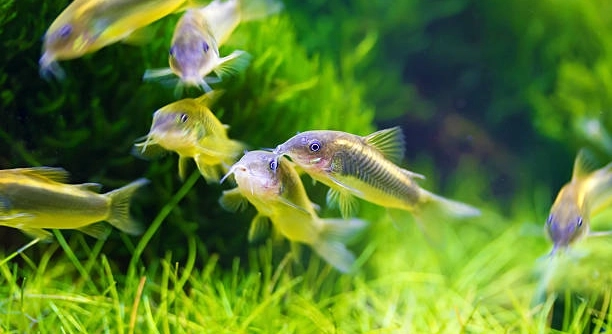
Corydoras catfish are popular for their calm nature, but stress from water conditions can affect their well-being. Understanding the signs of stress is crucial to maintain a healthy environment for them.
To identify if your Corydoras catfish is reacting to stressful water conditions, observe changes in behavior, such as rapid gill movement, erratic swimming, or hiding more often. These symptoms suggest the water quality may need improvement.
Recognizing these signs early can help you maintain a healthier aquarium and support your fish’s well-being in the long run.
1. Common Signs of Stress in Corydoras Catfish
When Corydoras catfish experience stress, their behavior can change in noticeable ways. You might see them swimming erratically or pacing near the tank’s surface. Sometimes, they may also become unusually still or hide for extended periods. This can be due to water quality issues, like changes in pH or temperature, or a lack of oxygen. Other signs to look out for include rapid gill movement, gasping for air, or even rubbing against objects in the tank. These symptoms indicate that something in the water isn’t quite right.
Fish are sensitive to changes in their environment. The presence of excess waste, improper filtration, or fluctuating water parameters can cause Corydoras to react negatively. Monitoring water conditions regularly can help avoid these stressors.
Understanding these signs and responding quickly can prevent more serious issues for your fish. If you notice these symptoms, it’s important to act fast to adjust the water parameters and restore stability in the tank.
2. How to Test Water Conditions
Testing your water is essential when you suspect stress in your Corydoras catfish. The first step is to check the pH, ammonia, nitrites, and nitrates. These are the key factors that affect water quality.
Keeping your Corydoras in stable, clean water is vital for their health. You can use test kits to measure water quality and adjust the levels if needed. Ammonia and nitrites should ideally be zero, while nitrates should be kept low. A water change may be necessary to maintain these levels. Temperature stability is also crucial, as sudden fluctuations can stress fish.
If your tests indicate that something is off, take immediate action to correct it. Consider adding a filter or adjusting the tank’s setup. This proactive approach helps ensure your Corydoras stay happy and healthy, avoiding unnecessary stress.
3. Water Temperature Fluctuations
Temperature swings can lead to significant stress for Corydoras catfish. They thrive in a stable range between 72°F and 78°F (22°C to 26°C). If the temperature fluctuates too much, it can disrupt their natural behavior.
When the water temperature is too high or low, Corydoras can become lethargic, hide more often, or even display abnormal swimming patterns. Rapid temperature changes can also weaken their immune system, making them more susceptible to diseases. It’s crucial to keep the aquarium temperature consistent to avoid these issues.
You can use a reliable aquarium heater with a thermometer to maintain the water temperature. Ensure that the heater is suitable for the size of your tank and avoid placing it in a drafty area. Consistent temperatures reduce stress and create a comfortable environment for your fish.
4. Poor Oxygen Levels
Oxygen is vital for Corydoras to thrive. Low oxygen levels can make them feel stressed and lead to erratic behavior, such as gasping at the surface.
Oxygen depletion can occur due to insufficient water movement, overcrowding, or a lack of surface agitation. Corydoras, being bottom dwellers, are especially sensitive to low oxygen levels. If the water isn’t moving enough, the oxygen near the substrate may not be replenished, causing them to struggle for air.
Adding an air pump, upgrading your filter, or increasing surface agitation can improve oxygen circulation. These measures will help keep your fish more active and reduce the stress caused by oxygen shortages.
5. Ammonia and Nitrite Build-up
High levels of ammonia or nitrites in the water can be toxic for Corydoras catfish, causing stress and health problems. These toxins can build up quickly, especially in tanks without proper filtration.
When ammonia or nitrite levels rise, Corydoras may exhibit symptoms such as lethargy, increased gill movement, and difficulty swimming. These signs indicate the fish are struggling to breathe in polluted water. Regular water changes and efficient filtration systems are essential to prevent such issues.
Testing the water regularly for ammonia and nitrites is important. If detected, immediately perform a water change and check your filtration system to ensure it’s functioning properly.
6. Tank Overcrowding
Overcrowding is a common cause of stress in Corydoras catfish. When too many fish are in a small space, it can lead to poor water quality and limited movement.
Corydoras need enough space to swim freely. If they are cramped, their stress levels increase, and they may start hiding more or swimming erratically. Proper stocking density will ensure they have room to thrive, reducing stress and promoting healthier behavior.
Keep an eye on the number of fish in your tank and avoid overcrowding by sticking to the recommended fish-to-tank ratio.
FAQ
What is the ideal water temperature for Corydoras catfish?
Corydoras catfish thrive in water temperatures between 72°F and 78°F (22°C to 26°C). It is essential to maintain a stable temperature, as fluctuations can lead to stress. Using a reliable heater and thermometer can help keep the temperature consistent. Extreme changes, either too hot or too cold, can cause your catfish to become lethargic or cause other health issues. Monitoring the temperature daily helps prevent sudden drops or spikes.
How often should I test the water in my Corydoras tank?
It is recommended to test your tank’s water at least once a week. Testing for ammonia, nitrites, and nitrates, as well as checking the pH and hardness, ensures that water quality remains optimal for your fish. Frequent testing allows you to catch any imbalances before they cause significant stress or health problems. If your tank has high stocking levels or is newly set up, testing more often may be necessary.
What are the signs of stress in Corydoras catfish?
Corydoras catfish may display various signs of stress, such as erratic swimming, hiding more frequently, or excessive gill movement. They might also rub against objects in the tank, indicating irritation from poor water conditions. Stress can weaken their immune system, making them more susceptible to diseases. Watch for changes in their behavior and address the water quality promptly if you notice signs of distress.
How can I improve oxygen levels in my Corydoras tank?
To improve oxygen levels in your tank, you can add an air pump, install a sponge filter, or increase surface agitation. Corydoras catfish prefer tanks with good water movement, which helps oxygen circulate effectively. Be sure not to overcrowd your tank, as this can further reduce oxygen levels. Proper filtration is also essential to ensure that water remains oxygenated, particularly in tanks with dense vegetation or deeper substrates.
What causes Corydoras to hide in the tank?
Corydoras may hide for several reasons. Stress from poor water conditions, high temperatures, or overcrowding can cause them to seek refuge. They may also hide when they feel threatened by tank mates or changes in their environment. If hiding becomes excessive, check the water quality, ensure there is enough space, and evaluate the other fish in the tank for compatibility. Corydoras are naturally shy, but consistent hiding is often a sign that something is amiss.
How do I know if my Corydoras is sick?
Signs of illness in Corydoras catfish include a lack of appetite, lethargy, abnormal swimming, or visible lesions on their body. They may also gasp at the surface or exhibit strange behaviors like rubbing against tank decorations. If your fish appears sick, it’s important to quarantine them in a separate tank if possible, to prevent any potential spread of disease. Perform a thorough check of water parameters and make necessary adjustments before seeking treatment for your fish.
Is it normal for Corydoras to have rapid gill movement?
Rapid gill movement can indicate that Corydoras catfish are struggling to breathe. This is often a sign of low oxygen levels or poor water quality. It can also occur if there is a build-up of toxins like ammonia or nitrites. If you notice your Corydoras breathing rapidly, test the water immediately and take steps to improve the oxygen levels. Adding an air stone, improving filtration, or performing a water change can help restore a healthier environment.
Can Corydoras live with other species?
Yes, Corydoras are peaceful fish that generally do well in community tanks. They are bottom dwellers and prefer tanks with non-aggressive fish. It’s important to choose tank mates that are compatible in terms of size and temperament. Avoid placing Corydoras with very large or aggressive species that might stress them. Other peaceful bottom dwellers, like smaller tetras or guppies, often make good companions.
How often should I change the water in my Corydoras tank?
Water changes are essential to maintain healthy water conditions. For a well-established tank, changing 25% to 30% of the water every two weeks is usually sufficient. However, if the tank has a high fish load or poor filtration, more frequent water changes may be necessary. Regular changes help remove waste, control harmful toxins, and ensure the water stays fresh and clean for your Corydoras catfish.
What should I do if my Corydoras is rubbing against objects in the tank?
Rubbing against objects can indicate that your Corydoras is irritated or stressed. This behavior, known as “flashing,” can be caused by poor water quality, parasites, or abrasions on their body. If you notice this behavior, check the water parameters immediately. You may need to perform a water change and assess whether the tank’s decor or tank mates are contributing to the problem. In some cases, a salt bath or medication may be required to treat external parasites.
Final Thoughts
Understanding the various factors that cause stress in Corydoras catfish is essential for their well-being. By keeping the water clean, maintaining proper temperature, and ensuring good oxygen levels, you can prevent many of the common issues these fish face. Stress often arises from poor water quality, overcrowding, or sudden changes in their environment. Taking the time to monitor and manage these conditions will help your Corydoras live a healthier and more active life.
It’s important to regularly test the water and make necessary adjustments. A stable environment is key to ensuring your fish are not under stress. This includes maintaining optimal pH levels, keeping ammonia and nitrite levels in check, and performing regular water changes. Adding aeration or improving water movement can also help prevent low oxygen levels, which can contribute to stress. Proper care and attention to these factors can create a more balanced and thriving aquarium for your Corydoras catfish.
Corydoras are resilient fish, but they still require a stable and healthy environment. By watching for signs of stress and addressing them promptly, you can prevent long-term health issues and ensure your fish remain active and happy. A few small changes, like improving filtration or adjusting stocking levels, can make a big difference in their quality of life. With careful observation and proactive care, you can help your Corydoras live a stress-free and comfortable life in your aquarium.

Hello,
If you enjoy the content that we create, please consider saying a "Thank You!" by leaving a tip.
Every little bit helps us continue crafting quality advice that supports the health, happiness, and well-being of pets around the world, for pets of all shapes, sizes, and species.
We really appreciate the kindness and support that you show us!