
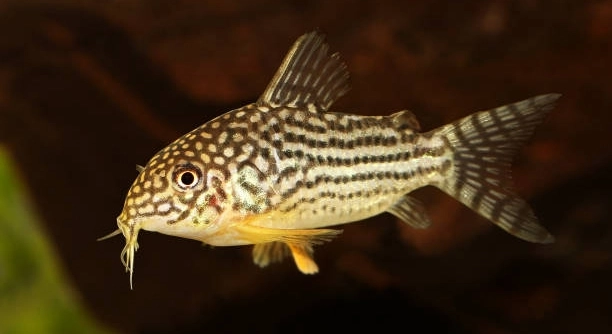
Corydoras catfish are popular in aquariums for their playful and peaceful nature. However, it’s not uncommon for them to spend a lot of time near the filter output. This behavior can puzzle fish owners.
The primary reason your Corydoras catfish stays near the filter output is due to the water current. These fish naturally enjoy areas with gentle flow, as the current provides stimulation, food particles, and a sense of safety.
Understanding why your Corydoras acts this way can help you create a more comfortable environment for your fish. Several factors may be influencing their behavior, and it’s worth considering each one to ensure your catfish is happy and healthy.
Natural Behavior of Corydoras Catfish
Corydoras catfish are bottom-dwelling fish that feel most comfortable in areas where they can search for food. In the wild, they are used to moving along riverbeds and foraging in places with gentle currents. The filter output in your tank often mimics these natural conditions, providing a steady flow of water. This can attract the catfish, as it allows them to find tiny food particles or detritus they would naturally consume.
Their attraction to moving water is also linked to their instincts. Corydoras catfish are known to seek out oxygen-rich areas. Filtered water often contains more oxygen, which is vital for their health and comfort. When they are near the filter output, they may be using the water flow to their advantage, staying in a place with better oxygen levels while also finding nourishment.
Additionally, being near the filter gives them a sense of security. The moving water might act as a shield, providing protection from perceived threats, even in a controlled aquarium environment.
Filter Output and Tank Conditions
The water movement created by your aquarium’s filter may be one of the easiest ways to meet the catfish’s natural needs. With the right flow, they can be both comfortable and active.
A proper filter flow can help mimic the conditions they would encounter in their natural habitat, making it an ideal place for your Corydoras to stay. These fish thrive in environments with gentle currents and high oxygenation, which is often exactly what the filter output provides.
Oxygen Levels in Your Aquarium
Corydoras catfish prefer well-oxygenated water. The filter’s water flow provides a steady supply of oxygen, which is essential for their health. When they stay near the filter output, they are likely seeking these optimal conditions.
In a well-maintained tank, oxygen levels should be adequate, but Corydoras are instinctively drawn to areas where water movement is higher. This ensures they stay in a region with more dissolved oxygen, promoting better gill function and overall health. If your filter flow is strong, it could help ensure they get all the oxygen they need.
Additionally, if the tank’s oxygen levels are lower in other areas, the catfish may move closer to the filter as a natural response to improve their breathing. It’s a sign that they are simply trying to keep their oxygen levels stable.
Water Quality and Filtration
Healthy water quality is another reason your Corydoras catfish stays near the filter. Clean, filtered water provides an environment where they can thrive. With the right filtration system, harmful substances like ammonia and nitrites are removed, making the water safer for your fish.
The filter doesn’t just clean the water—it helps maintain the tank’s overall health. When water quality is high, your fish are more likely to be active and explore their surroundings. The movement near the filter can signal that your catfish feels comfortable and safe, as it’s an area with consistently clean water.
If you notice your catfish staying near the filter more often, it may be a sign the rest of your tank needs attention. Regular water changes and monitoring your filtration system ensure the tank remains in top condition, providing an ideal environment for your fish.
Feeding and Food Availability
Corydoras catfish are bottom feeders that rely on food particles drifting through the water. The filter output helps carry small bits of food, making it an ideal spot for them to forage. They are naturally attracted to areas where they can easily find their next meal.
When you feed your fish, some food inevitably gets caught in the filter’s current. Corydoras are quick to move towards these spots to nibble on the particles. By staying near the filter output, they’re simply maximizing their chances of finding food. It’s a natural response to the presence of nourishment.
Tank Size and Space
If your aquarium is overcrowded, your Corydoras may prefer staying near the filter because the area provides more space. Overcrowding can make the tank feel cramped, and fish may seek out open areas.
With more room near the filter, your Corydoras can avoid stress and swim freely, which is crucial for their well-being.
FAQ
Why do Corydoras catfish like the filter output?
Corydoras catfish naturally enjoy gentle water currents. The filter output mimics their natural environment, where they often encounter flowing water. It provides both oxygen and food, making it a comfortable and safe place for them to spend time. The movement in the water attracts them, and they stay near the filter to find food particles that drift by, as well as to ensure they get enough oxygen.
Can Corydoras catfish handle strong filter currents?
Corydoras are not strong swimmers and prefer gentle currents. If your filter’s flow is too strong, it could stress them out or make them exhausted. If your catfish are struggling with the current, try adjusting the flow rate or adding plants and decorations to create sheltered areas where they can escape the strong current.
Should I adjust the filter flow for Corydoras catfish?
Yes, adjusting the filter flow to a gentle current is ideal for Corydoras catfish. A strong, fast-moving filter output can make your fish stressed, as they are more comfortable in calm or mild water movement. You can adjust the flow using a flow control valve or a sponge filter for better control. It’s important to observe your catfish to see how they react and ensure they are comfortable.
How do I know if my Corydoras are stressed?
Signs of stress in Corydoras can include rapid breathing, hiding frequently, or staying near one spot for too long. If they seem to be avoiding the entire tank or acting lethargic, it may be due to poor water quality, too much water flow, or a stressful environment. Keep an eye on their behavior and adjust the tank conditions accordingly.
Do Corydoras catfish need a filter?
While it’s not strictly necessary for a tank to have a filter, it is highly recommended for Corydoras catfish. They thrive in clean, oxygenated water, and a filter helps maintain that environment. A filter keeps the water moving and removes debris, which improves water quality and helps reduce harmful substances like ammonia and nitrites.
Can I keep Corydoras in a tank without a filter?
It is possible to keep Corydoras in a tank without a filter, but you will need to maintain the water quality manually. Without a filter, the water will not be oxygenated or cleaned, so regular water changes are essential to keep the fish healthy. You will also need to monitor the oxygen levels and potentially use an air stone to ensure they are getting enough oxygen.
How often should I clean my filter if I have Corydoras?
Filters should be cleaned every 4 to 6 weeks, but it depends on your tank size and the amount of waste produced. If you have Corydoras, be mindful of their sensitive gills. Cleaning the filter ensures it works efficiently without clogging. Avoid cleaning the entire filter at once; instead, clean half to maintain beneficial bacteria.
Why are my Corydoras not moving much near the filter?
If your Corydoras catfish aren’t moving much near the filter, it could be a sign that they are stressed or not comfortable with the water conditions. Check the flow rate of the filter and adjust it if necessary. Also, ensure the water quality is optimal and that the temperature is stable. If the water is too warm or too cold, your catfish may become lethargic.
Is it okay for Corydoras catfish to stay near the filter all the time?
It’s generally fine if your Corydoras catfish stay near the filter as long as they show healthy behavior. This could simply be their preference for the water flow and oxygen. However, if they seem to be constantly staying near the filter without moving or foraging elsewhere, it might indicate a lack of space or poor water quality. Keep an eye on them and make sure the whole tank is suitable for their needs.
How can I create a better environment for my Corydoras catfish?
To improve the environment for your Corydoras, make sure your tank has clean, oxygenated water, and a gentle filter flow. You can also add plants, rocks, and other decorations to provide hiding spots and create a more natural habitat. Regular water changes and monitoring water parameters like pH, temperature, and ammonia levels will help keep the tank safe and healthy for your fish. A well-maintained tank will encourage your Corydoras to be more active and reduce stress.
Do Corydoras like to swim with other fish?
Corydoras are peaceful and social fish. They enjoy being in groups, typically around 3 to 6, and will swim together. They are non-aggressive and get along well with other peaceful species. As long as your tank mates are not too aggressive or large, Corydoras will enjoy the company. Keep in mind that fish with similar water needs will work best together.
Can Corydoras survive in a tank with other species of fish?
Yes, Corydoras catfish are peaceful and can live with many other species of fish. They generally do well with other calm, non-aggressive fish, especially those that occupy different parts of the tank. They are bottom dwellers, so they tend to stay near the substrate, leaving other fish to swim in the middle or top layers. Ensure that your tank mates are compatible to prevent any conflicts.
What is the best tank size for Corydoras catfish?
For a small group of Corydoras catfish, a 20-gallon tank is ideal. If you plan to keep more fish, opt for a larger tank. Corydoras prefer to have enough space to swim freely and explore. Having sufficient room also helps maintain good water quality. If the tank is too small, the water can quickly become polluted, stressing the fish. Always aim for at least 20 gallons for a small group of these bottom dwellers.
Final Thoughts
Corydoras catfish are charming and peaceful fish that can add life to your aquarium. Their preference for areas near the filter output is completely natural. The gentle water flow and oxygen-rich environment provide a sense of comfort, safety, and access to food. It’s important to understand that this behavior is not a sign of distress, but rather a reflection of their instincts. These fish are simply responding to conditions that mimic their natural habitat, where flowing water is a common feature.
However, it’s essential to ensure your filter’s water flow is appropriate for Corydoras. Too strong of a current can cause stress and discomfort. By adjusting the filter flow or adding elements like plants or decorations to break up the current, you can help your catfish feel more at ease. Monitoring water quality is just as important—clean, oxygenated water is key to their health. If your Corydoras are spending a lot of time near the filter, it could be an indication that other parts of the tank need attention, such as oxygen levels or debris buildup. Regular tank maintenance, including water changes, will help keep your fish in good health.
Finally, while Corydoras catfish may prefer staying near the filter output, it’s still important to provide them with a well-balanced environment. This includes ample space to swim, suitable tank mates, and a tank setup that allows them to exhibit natural behaviors. By understanding their needs and making small adjustments, you can create a peaceful and healthy environment where your Corydoras can thrive. Observing their behavior and adapting the tank conditions accordingly ensures they remain active, happy, and stress-free.

Hello,
If you enjoy the content that we create, please consider saying a "Thank You!" by leaving a tip.
Every little bit helps us continue crafting quality advice that supports the health, happiness, and well-being of pets around the world, for pets of all shapes, sizes, and species.
We really appreciate the kindness and support that you show us!