
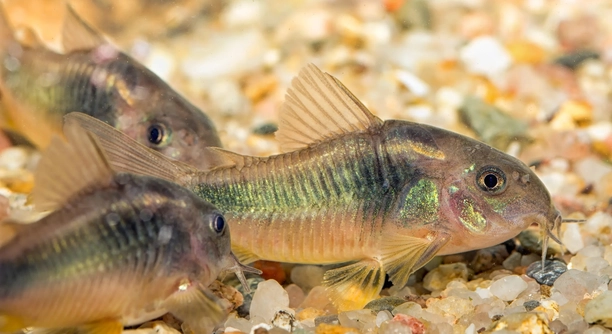
Corydoras catfish are fascinating creatures, often displaying unique behaviors in their tank. If you’ve noticed yours hiding in the same spot, it might be a sign of something more than just a preference for a hiding place.
There are several possible reasons why your Corydoras catfish may keep hiding in the same spot. Stress, illness, or environmental factors such as water quality, temperature, or lighting can all influence this behavior. Addressing these issues can improve their overall well-being.
Understanding your catfish’s behavior can lead to a healthier and more comfortable environment for your pet. Keep reading to explore seven theories that could explain this intriguing habit.
Stress and Anxiety in Corydoras Catfish
Stress is a common reason why Corydoras catfish hide in the same spot. These fish are sensitive to changes in their environment. Any sudden shift, whether it’s new tank mates, loud noises, or water quality issues, can cause them to feel anxious. Corydoras are naturally shy and tend to seek refuge in hidden areas when they feel unsafe or threatened. Even subtle changes, like rearranging decorations or lights flickering, might trigger this behavior.
In some cases, they might be trying to avoid aggression from other fish or avoid stressful activities around the tank. The hiding can also be a response to overexposure to bright light, which can cause them to retreat to darker, more sheltered areas.
Maintaining a stable environment is essential for keeping your Corydoras happy. Consistent water parameters, temperature, and lighting are all factors that can minimize stress. By ensuring these conditions remain constant, you can help your fish feel secure in their habitat and reduce hiding behavior.
Illness and Disease
Hiding could be a sign of illness or disease. Corydoras are prone to certain health issues, including parasitic infections or skin problems. When they feel unwell, they may seek out a secluded spot to avoid interacting with other fish. It’s important to monitor their behavior closely for other signs of illness, such as loss of appetite, abnormal swimming patterns, or changes in their skin color.
If your Corydoras continues to hide for an extended period, it may be a good idea to test the water quality and consult with an aquarium specialist for guidance. Taking proactive steps can help prevent worsening conditions.
Water Quality Issues
Water quality is crucial for the health of your Corydoras catfish. If the water is too dirty or improperly balanced, it can lead to stress and cause the fish to hide. High levels of ammonia, nitrites, or nitrates can make your fish uncomfortable, triggering hiding behavior.
It’s important to perform regular water tests to check for harmful substances. Ensure your filter is working properly and do routine water changes to keep the tank environment clean. Poor water quality not only stresses your Corydoras but can also lead to diseases and discomfort. Stable, clean water promotes active and healthy fish.
Monitoring the pH levels, temperature, and hardness of the water is also essential. Corydoras thrive in slightly acidic to neutral water. If these parameters fall outside of their ideal range, they may seek shelter to protect themselves. By maintaining proper water conditions, you can reduce the likelihood of hiding and promote your fish’s well-being.
Temperature Fluctuations
Temperature swings in your aquarium can cause Corydoras catfish to hide in the same spot. These fish are sensitive to changes in water temperature. If the water becomes too hot or cold, they may try to find a safe, stable area to rest.
Keeping the tank temperature consistent is key to their comfort. Corydoras typically prefer water temperatures between 72°F and 79°F. Fluctuations outside of this range can lead to stress or illness. Using a reliable heater with a thermometer will help maintain a steady environment and prevent temperature-related issues.
Fish are creatures of habit, and a stable environment is essential for their health. If your catfish is constantly hiding, it could be their way of responding to temperature stress.
Overcrowding in the Tank
Overcrowding can cause Corydoras catfish to retreat to the same spot. When there are too many fish in a small tank, it creates stress and competition for space. Your Corydoras may hide to avoid conflict with other tank mates.
It’s important to provide enough room for each fish to feel safe and secure. A tank that’s too small can lead to constant stress and hiding. Consider reevaluating the number of fish in your tank and making sure there’s enough space for everyone. Reducing overcrowding can improve your catfish’s behavior.
Poor Tank Setup
A poor tank setup can also lead to hiding. If there are not enough hiding spots or if the tank lacks appropriate plants, your Corydoras may feel exposed and stressed. This causes them to seek a solitary, safe area to relax.
Creating a well-designed tank with plenty of hiding spaces and soft substrate can give your Corydoras the comfort they need. They thrive in tanks that resemble their natural environment. By adding plants, rocks, and driftwood, you create a more inviting space that encourages natural behavior and reduces hiding.
Aggressive Tank Mates
Aggressive tank mates may intimidate your Corydoras, causing them to hide in the same spot. Fish that chase or nip at the catfish can lead to stress and discomfort. If your Corydoras feels threatened, they may seek shelter to escape the aggression.
Carefully selecting peaceful tank mates can make a significant difference in the behavior of your fish. Corydoras are peaceful creatures, so it’s best to house them with other calm species. If aggression is a concern, consider rearranging the tank to reduce territorial disputes.
FAQ
Why does my Corydoras catfish only hide during the day?
Corydoras are nocturnal fish, meaning they are naturally more active at night. During the day, they may hide to avoid the light and rest. This behavior is typical, as they feel safer in the dark. Providing plenty of hiding spaces will help them feel secure during daylight hours.
How can I tell if my Corydoras catfish is stressed?
Stressed Corydoras may exhibit signs such as rapid breathing, hiding more than usual, or swimming erratically. They may also stop eating or have discolored skin. Check water quality and tank setup to rule out any environmental causes. Stress can be minimized by keeping the tank conditions stable.
Is it normal for Corydoras catfish to hide all the time?
While it’s normal for Corydoras to hide sometimes, constant hiding could indicate a problem. It may be due to stress, illness, or unsuitable tank conditions. If your fish is hiding more than usual, consider checking water parameters, temperature, and the presence of aggressive tank mates.
Can Corydoras catfish hide from other fish?
Yes, Corydoras catfish often hide from more dominant or aggressive tank mates. They are peaceful fish and prefer not to compete for space or food. Providing plenty of hiding spots will help them avoid conflict and reduce stress in the tank.
How do I prevent my Corydoras catfish from hiding too much?
To prevent excessive hiding, make sure your Corydoras have a stable environment with clean water, suitable temperature, and peaceful tank mates. Provide hiding spots like plants, rocks, and caves but avoid overcrowding. Consistent conditions will help your fish feel more comfortable and less likely to hide.
Should I be concerned if my Corydoras catfish hides during breeding?
It’s normal for Corydoras catfish to hide during breeding. They may seek secluded spots for safety and privacy while they spawn. After the breeding process is complete, they should return to their usual behavior. If they continue hiding for long periods, check for other issues like water quality or stress.
Why does my Corydoras catfish hide and then swim in circles?
If your Corydoras is hiding and swimming in circles, it could be a sign of stress or illness. Swim bladder problems, water quality issues, or a lack of hiding spots might cause this behavior. Ensure the tank conditions are optimal and monitor for any signs of illness.
Do Corydoras catfish hide when they are sick?
Yes, Corydoras tend to hide when they are not feeling well. Illnesses like parasites, bacterial infections, or internal problems may cause them to retreat to a hidden spot. If your Corydoras is consistently hiding and showing other signs of illness, it’s important to check the water quality and consult with a vet if needed.
Can Corydoras hide in the substrate?
Corydoras catfish often hide in the substrate, especially if it’s soft. They naturally burrow into the sand or gravel, where they feel safe. This is completely normal, as they use their barbels to search for food at the bottom of the tank. If they are spending too much time in the substrate, make sure it’s the right type of material and not too rough for their delicate barbels.
Is it okay if Corydoras catfish hide at the back of the tank?
It’s okay for Corydoras to hide at the back of the tank, as long as they are not hiding excessively. They may prefer a quieter, less-trafficked area to feel secure. Ensure that the back of the tank is not too crowded and that they have easy access to food and oxygen.
Can water temperature make my Corydoras catfish hide more?
Yes, Corydoras catfish can hide more if the water temperature is too high or low. They prefer stable temperatures between 72°F and 79°F. Sudden changes or extreme temperatures can stress them, causing them to hide. Use a thermometer to ensure the water is within their preferred range.
How do I encourage my Corydoras catfish to come out more?
To encourage your Corydoras to come out more, ensure the tank has adequate hiding spots, but not too many that they feel isolated. Keep the tank well-maintained with clean water and stable temperature. Avoid aggressive fish and feed them during the day to encourage activity.
Do Corydoras catfish hide when they’re full?
Yes, Corydoras catfish may hide after eating. They tend to be more active before feeding, scavenging for food. Once they’ve eaten, they may retreat to a quiet spot to rest and digest. This behavior is normal and usually temporary.
Can Corydoras catfish hide if they’re not getting enough food?
If Corydoras aren’t getting enough food, they may hide more often in search of nourishment. Ensure they have access to a balanced diet, including sinking pellets, flakes, and occasional treats like bloodworms. A lack of food can cause stress and may lead to hiding behavior.
Why do Corydoras catfish hide in the same spot every time?
Corydoras may hide in the same spot due to familiarity. They feel safe and secure in a place they have chosen, which might be near a plant, rock, or substrate. As long as they’re not hiding excessively, this behavior is normal. Ensure the spot is comfortable and free from disturbances.
Final Thoughts
Corydoras catfish are naturally peaceful and shy creatures that enjoy hiding. While it’s normal for them to seek shelter in the tank, excessive hiding can sometimes be a sign of stress or other issues. Understanding their behavior and providing a proper tank environment will help minimize the chances of constant hiding. By ensuring your tank has the right temperature, water quality, and peaceful tank mates, you can encourage your Corydoras to feel more comfortable and reduce hiding.
If your Corydoras catfish is hiding frequently, it’s essential to assess the tank conditions. Check for overcrowding, poor water quality, or aggressive tank mates that may be causing stress. Corydoras prefer calm environments, and creating a space where they feel secure can make a significant difference. Adding more hiding spots, such as plants or decorations, can also help them feel safe and reduce their need to retreat to the same spot.
Remember, Corydoras are bottom dwellers that enjoy privacy, and they may hide during the day or after eating. However, if they’re hiding constantly, it’s crucial to monitor them closely for any signs of illness or discomfort. By addressing any issues and adjusting the tank setup when needed, you’ll help your Corydoras thrive and create a peaceful environment where they feel at ease.

Hello,
If you enjoy the content that we create, please consider saying a "Thank You!" by leaving a tip.
Every little bit helps us continue crafting quality advice that supports the health, happiness, and well-being of pets around the world, for pets of all shapes, sizes, and species.
We really appreciate the kindness and support that you show us!