
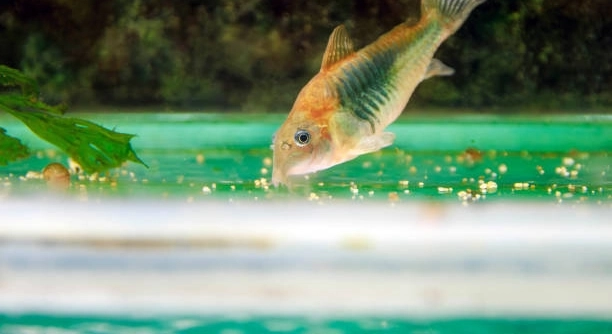
Do you notice your Corydoras catfish swimming upside down and wonder why this is happening? It’s a surprising sight for many aquarium owners, and understanding the cause can help you maintain your fish’s health and wellbeing.
Your Corydoras catfish may be swimming upside down due to several factors, including poor water quality, stress, swim bladder issues, or even injury. Identifying the root cause is crucial for providing proper care and improving their condition.
Understanding the reasons behind your catfish’s behavior will give you the insight needed to resolve the issue and prevent it from happening again.
Poor Water Quality
Water quality is one of the main reasons your Corydoras might swim upside down. If the water is too dirty or has poor oxygen levels, it can stress your fish and affect their ability to swim properly. Corydoras are sensitive to their environment, and changes in water parameters like pH, ammonia, and nitrate levels can cause them to struggle. The fish may flip over, trying to breathe or find more oxygen at the surface.
Poor water conditions also make it harder for fish to maintain their balance. You should regularly test the water and keep the tank clean. A good filtration system, regular water changes, and using a dechlorinator can help improve water quality and ease your fish’s discomfort.
To keep your fish comfortable, remember to maintain optimal water conditions. A simple routine of water testing and cleaning can make a huge difference in their behavior. With proper care, your Corydoras should be swimming upright and healthy again in no time.
Swim Bladder Problems
Swim bladder issues are another common reason behind your fish’s upside-down swimming behavior. The swim bladder helps regulate the fish’s buoyancy, allowing it to float or sink at will. If it’s damaged or infected, your catfish might struggle to stay balanced.
When the swim bladder malfunctions, it can cause abnormal swimming patterns. If you suspect swim bladder problems, you can try adjusting the temperature of the water, as too cold or too warm temperatures can worsen the condition. Additionally, avoid overfeeding, as constipation can also impact the swim bladder.
If the issue doesn’t resolve after adjusting the water conditions or diet, it might be best to consult an aquarium specialist.
Stress and Anxiety
Stress can cause Corydoras to swim upside down as they react to changes in their environment. New tankmates, loud noises, or even a sudden shift in their tank’s setup can be enough to unsettle them. Stress makes it harder for fish to control their movements and can lead to abnormal swimming patterns.
To reduce stress, make sure the aquarium is in a quiet spot with minimal disturbances. Introducing new fish gradually and maintaining a stable environment will help your Corydoras feel more secure. Providing hiding places and plants in the tank can also make your fish feel safer.
A stressed fish can show signs like swimming upside down, hiding excessively, or having a pale color. Observing their behavior closely will help you identify the source of stress. Keeping the tank environment stable and calm can restore balance and encourage normal swimming.
Tank Injuries
Corydoras can sustain injuries that affect their ability to swim properly. Sharp objects, tank decorations, or aggressive tankmates can cause physical harm to your fish. Even minor injuries might make it difficult for them to maintain their balance, causing them to swim upside down.
If you notice any cuts, bruises, or signs of physical injury, carefully examine the tank for hazards. You may need to separate aggressive fish or remove sharp objects from the environment. Treating any wounds quickly can help your fish recover. Make sure the water temperature is suitable to aid healing.
Sometimes, injuries may not be visible, but your fish’s behavior still changes. If an injury is suspected, consider isolating the Corydoras in a hospital tank to reduce stress and prevent further harm. Proper care can help them heal and restore their swimming abilities.
Poor Diet and Overfeeding
An improper diet or overfeeding can also cause Corydoras to swim upside down. Overfeeding leads to constipation, which affects the swim bladder and can disrupt balance. Providing the right amount of food and ensuring a varied, nutritious diet will help avoid these issues.
Avoid feeding too much at once. Overfeeding leads to uneaten food settling at the bottom, which can degrade water quality and cause stress. It’s best to feed your Corydoras small amounts, only as much as they can consume in a few minutes.
Feeding the right type of food is just as important. Make sure you are providing sinking pellets, as Corydoras are bottom-dwelling fish. A balanced diet will ensure they stay healthy and can swim normally.
Water Temperature
Water temperature can have a significant impact on your Corydoras’ swimming abilities. If the water is too cold or too warm, it can cause stress and affect their buoyancy. The ideal temperature for Corydoras is between 72°F and 78°F (22°C to 26°C).
When the water is too cold, it can slow down their metabolism and make them lethargic. Conversely, warmer water may cause them to be more active but can stress the fish if it exceeds their tolerance. Keep a stable temperature by using a reliable heater or thermometer to monitor fluctuations.
Sudden changes in water temperature can also lead to health problems. To keep your Corydoras comfortable, ensure the temperature remains steady within the ideal range. Adjustments should be made gradually, as rapid changes can worsen the situation.
Swim Bladder Infection
A swim bladder infection can occur if bacteria, parasites, or fungi invade the swim bladder. This can disrupt the fish’s buoyancy, causing it to swim upside down. Infected Corydoras may appear to have difficulty controlling their movements, or they may float at the surface or sink.
If you suspect an infection, you can treat it with medication designed for swim bladder issues. Quarantine the affected fish to prevent the infection from spreading to others. Maintaining good water quality is crucial to prevent the growth of harmful bacteria or parasites that could lead to such infections.
FAQ
Why is my Corydoras swimming upside down after a water change?
If your Corydoras is swimming upside down after a water change, it could be due to sudden changes in water parameters, such as temperature or pH. Fish are sensitive to fluctuations, and even minor changes can cause them stress. It’s important to match the new water temperature and pH to the existing tank conditions. If possible, use a water conditioner to neutralize harmful chemicals and avoid drastic shifts. You may also want to test the water for ammonia or nitrate spikes, which could have increased during the change.
Can overfeeding cause my Corydoras to swim upside down?
Yes, overfeeding can cause your Corydoras to swim upside down. When fish are fed too much, it can lead to constipation, which affects the swim bladder. A compromised swim bladder makes it difficult for your fish to maintain buoyancy. Overfeeding also affects water quality, which can stress the fish. It’s important to feed them only as much as they can eat in a few minutes. A varied diet and careful portioning will help keep your Corydoras healthy and swimming correctly.
What are the signs of swim bladder disease in Corydoras?
Swim bladder disease in Corydoras can show up as difficulty swimming, especially upside down or at unusual angles. Your fish may struggle to maintain buoyancy, float at the surface, or sink to the bottom. Other symptoms include a bloated abdomen, sluggish behavior, or the fish being unable to control its movements. If you notice these signs, it’s best to examine the water quality and adjust their diet. If symptoms persist, seek professional advice to rule out infections or other underlying health issues.
Can stress cause my Corydoras to swim upside down?
Yes, stress can cause your Corydoras to swim upside down. Fish can become stressed from poor water conditions, overcrowding, sudden changes in their environment, or aggressive tankmates. Stress makes it harder for them to regulate their buoyancy. You should minimize disturbances in their environment, maintain stable water conditions, and introduce new fish slowly. Reducing stressors will help your fish regain normal swimming behavior.
What should I do if my Corydoras is swimming upside down?
If your Corydoras is swimming upside down, first check the water quality, including temperature, pH, ammonia, and nitrate levels. Adjust the water if needed. Examine your fish for signs of injury, disease, or bloating. If overfeeding is the issue, reduce the food intake. Make sure the aquarium is set up with proper hiding spots and stable conditions. If the symptoms persist, consider isolating the fish in a hospital tank or consulting a veterinarian for further advice.
Is it normal for Corydoras to swim upside down occasionally?
Occasionally, Corydoras may swim upside down for short periods, but it’s not considered normal behavior. If your Corydoras flips over briefly, it could be reacting to a sudden change in water parameters or food intake. However, if this behavior continues or worsens, it’s a sign that something is wrong. Regularly check your tank’s water quality, diet, and general setup to prevent issues. Continuous upside-down swimming may indicate an underlying health problem that needs attention.
Can an injury cause my Corydoras to swim upside down?
Yes, an injury could cause your Corydoras to swim upside down. Fish can hurt themselves by crashing into tank decorations, sharp objects, or being attacked by tankmates. Even minor injuries might impact their ability to swim properly, leading to unusual movements. Check your fish for any visible injuries and remove any sharp objects from the tank that could cause harm. If the injury is severe, isolate the affected fish and provide appropriate care to help it recover.
How can I treat swim bladder disease in Corydoras?
Treating swim bladder disease in Corydoras depends on the cause. If the issue is caused by overfeeding or constipation, fasting the fish for a few days and offering peas (blanched and peeled) can help. If you suspect an infection, medication specifically designed for swim bladder problems may be needed. Maintaining high water quality and ensuring the fish’s diet is balanced are essential in treating this condition. Consult a veterinarian if symptoms persist or worsen.
Can water temperature affect my Corydoras’ swimming behavior?
Yes, water temperature plays a significant role in the swimming behavior of Corydoras. If the water is too cold, your fish may become sluggish and have difficulty swimming, while high temperatures can cause stress and erratic behavior. Maintaining a steady temperature between 72°F and 78°F (22°C to 26°C) will help your fish feel more comfortable and prevent swimming problems. Use a thermometer to monitor the water and make gradual adjustments to avoid stressing the fish.
Should I isolate my Corydoras if it’s swimming upside down?
Isolating your Corydoras might be necessary if it’s swimming upside down due to injury, disease, or infection. Putting the fish in a hospital tank can reduce stress from other tankmates and make it easier to monitor its condition. This also helps to prevent the spread of any potential illness. Keep the water clean, maintain stable conditions, and ensure the hospital tank is set up properly. If the fish does not improve, consider consulting a specialist.
Can poor water quality cause Corydoras to swim upside down?
Yes, poor water quality is a common cause of Corydoras swimming upside down. High levels of ammonia, nitrates, or low oxygen levels can stress the fish and affect their buoyancy. Regular water changes, proper filtration, and monitoring of water parameters will help maintain a healthy environment. If the water quality is poor, your fish may struggle to swim correctly. Ensuring that the tank is clean and well-maintained will prevent these issues from occurring.
What is the best diet for Corydoras to prevent swimming issues?
A balanced diet is key to preventing swimming issues in Corydoras. They should be fed sinking pellets, as they are bottom-dwellers, and supplemented with occasional treats like bloodworms, brine shrimp, or finely chopped vegetables. Avoid overfeeding, as this can lead to constipation, affecting their swim bladder. Provide small amounts of food that your fish can consume within a few minutes. This will help keep their digestive system healthy and reduce the chances of swimming problems.
Final Thoughts
If your Corydoras catfish is swimming upside down, it’s a sign that something in their environment or health needs attention. It’s important to first consider the water quality, as poor conditions are one of the most common reasons for this behavior. Changes in pH, temperature, or harmful substances like ammonia can easily stress your fish, affecting their swimming patterns. By regularly testing and maintaining the right water parameters, you can ensure that your Corydoras remains healthy and happy. Cleaning the tank and using proper filtration also plays a vital role in preventing issues that might cause your fish to swim upside down.
Another key factor to look into is their diet. Overfeeding is a major concern, as it can lead to constipation and negatively impact the swim bladder. Make sure you’re feeding your Corydoras the right amount of food, and avoid leaving uneaten food in the tank. Providing a balanced diet that includes sinking pellets and occasional treats will help keep your fish’s digestive system in check. If swim bladder issues are suspected, offering peas as a natural remedy can sometimes help. However, if the problem persists, you may need to consult a professional to rule out infections or other diseases.
Finally, it’s essential to monitor the behavior of your fish closely and take quick action if any issues arise. Stress, injuries, and infections can also cause abnormal swimming behavior. If your Corydoras is swimming upside down for an extended period, it’s important to address the situation immediately to prevent further harm. Isolating the affected fish in a hospital tank, adjusting water conditions, or treating infections are steps you can take to help your Corydoras recover. With the right care and attention, your fish can get back to swimming properly and living a healthy life in your aquarium.

Hello,
If you enjoy the content that we create, please consider saying a "Thank You!" by leaving a tip.
Every little bit helps us continue crafting quality advice that supports the health, happiness, and well-being of pets around the world, for pets of all shapes, sizes, and species.
We really appreciate the kindness and support that you show us!