
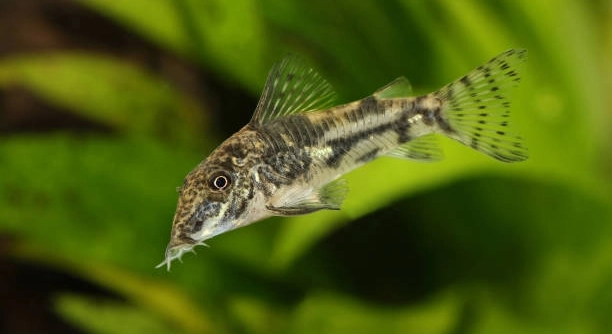
Feeding Corydoras catfish can sometimes become a stressful routine for aquarium owners. Understanding their specific needs can make the experience more enjoyable for both you and your fish. Managing their feeding time is important for their health.
Providing a calm and consistent feeding routine is key to reducing stress for Corydoras catfish. Offer small portions of food that are appropriate for their size and avoid overfeeding. Make sure they have time to forage and enjoy their meal.
Feeding Corydoras catfish doesn’t need to be difficult. Simple adjustments can make a big difference in their overall well-being and your aquarium experience.
Consistency is Key
Maintaining a consistent feeding schedule helps reduce stress for Corydoras catfish. These fish thrive on routine, so feeding them at the same time each day can create a sense of security. They are bottom feeders, often more comfortable when they can forage at their own pace without other fish interfering. Providing a set time for meals allows them to anticipate feeding and reduces anxiety about when food will appear.
A regular feeding schedule also ensures that they are not overfed, which can lead to poor water quality and health problems. Monitoring the amount of food they eat is important. Only offer enough food for them to consume within a few minutes to avoid waste and uneaten food sinking to the bottom.
Feeding them consistently at the same time every day, alongside proper portion control, helps create a stable environment in the tank. This reduces the chance of stress-related behaviors, promoting a healthier and happier catfish population.
Feeding Techniques
Different methods of feeding can influence your catfish’s behavior. Some prefer sinking pellets, while others might go for frozen or live foods.
Feeding Time Location Matters
Choose a quiet spot in the tank for feeding Corydoras catfish. They tend to be shy and prefer less traffic while eating. Placing the food in a calm area reduces their stress, making them feel safe to come out and feed. Avoid feeding near tank filters or areas with too much movement.
By giving them a peaceful feeding zone, you allow your catfish to settle and forage without distractions. They will feel less threatened and more comfortable to approach their food. Over time, they’ll become more familiar with the spot and associate it with positive experiences. This can make feeding time more enjoyable for both you and the fish.
A specific, peaceful feeding location helps establish good habits. It will also ensure that other tank mates don’t crowd the Corydoras during meals, allowing them to eat at their own pace. A secure, low-traffic area benefits both the fish and the aquarium environment.
Avoid Overfeeding
Overfeeding is a common issue with Corydoras catfish. It’s easy to assume they need more food than they actually do. Offering excessive portions leads to uneaten food sinking and decaying, which negatively impacts water quality and can cause stress for the fish.
Feeding smaller, more frequent meals is usually a better option. It helps maintain stable water conditions and gives the catfish the opportunity to forage at their own pace. It’s crucial to observe their eating habits and adjust portion sizes accordingly. By paying attention to their needs, you can avoid the problems associated with overfeeding and promote a healthy environment.
Regularly check the tank for leftover food and remove it to prevent waste from affecting water quality. Cleaning up uneaten food will also help reduce the risk of excess nutrients building up in the water. This attention to detail contributes to a healthier tank and happier fish.
Feed at Night
Corydoras catfish are nocturnal feeders, preferring to eat when the tank is calm and dark. Offering food in the evening, when the lights are dimmed, can help them feel more at ease. This mimics their natural behavior and gives them the opportunity to forage without stress.
By feeding at night, you align with their natural feeding instincts, reducing anxiety during meals. The quieter tank environment allows them to come out of hiding and eat without the disturbances of daytime activity. It’s a simple way to make feeding time smoother for everyone.
Feeding them at night can also help reduce the competition for food. Other fish that feed during the day won’t interfere, allowing the Corydoras to enjoy their meal uninterrupted. This method supports their well-being and encourages a more natural eating pattern.
Use Sinking Food
Corydoras are bottom dwellers, so sinking food is the best choice for them. Floating pellets or flakes can be difficult for them to catch, leading to wasted food and frustration. Sinking food allows them to feed naturally and comfortably from the substrate.
Choosing sinking pellets or tablets provides the catfish with a more enjoyable and stress-free feeding experience. They will be able to find the food more easily and take their time eating. This reduces the pressure of competing for food with other fish that prefer surface feeding.
Sinking food also allows the Corydoras to exhibit more natural behaviors. They can forage, graze, and search for food just like they would in their natural habitat, promoting mental and physical well-being.
Keep the Tank Clean
A clean tank is essential for a stress-free feeding time. Regular maintenance, such as removing leftover food and vacuuming the substrate, keeps the water quality high and ensures the catfish aren’t exposed to harmful waste.
FAQ
How often should I feed my Corydoras catfish?
Corydoras catfish should be fed once or twice a day, with smaller portions each time. It’s important not to overfeed them, as they can easily consume more than they need. Smaller meals throughout the day are more beneficial than one large feeding. This helps maintain a balanced diet and ensures they don’t become stressed from too much food in their tank.
What should I feed my Corydoras catfish?
Corydoras catfish thrive on a varied diet. They enjoy sinking pellets, which allow them to forage naturally, but they can also eat frozen or live foods like bloodworms and brine shrimp. It’s essential to provide them with a high-quality diet that includes both plant-based and protein-rich foods. This helps maintain their health and energy levels.
Can Corydoras catfish eat flakes?
While Corydoras catfish can eat flakes, they are bottom feeders and may have difficulty catching floating flakes. It’s better to provide them with sinking food such as pellets or tablets, which they can easily access while foraging at the bottom of the tank. Sinking food is much more suited to their natural feeding behavior.
How much food should I give my Corydoras catfish?
The amount of food you provide depends on the number of Corydoras in your tank. A good rule of thumb is to feed them as much as they can consume in 2-3 minutes. Watch them closely to ensure they aren’t leaving food behind. Overfeeding leads to water quality issues and can stress the fish.
Why is my Corydoras catfish not eating?
If your Corydoras catfish isn’t eating, it could be due to stress, water quality issues, or an unsuitable food type. Ensure the water temperature and parameters are correct, as well as the cleanliness of the tank. Also, check if the food you’re offering is appropriate for their feeding habits. If they are still not eating, consider consulting with an expert to rule out any health issues.
Can Corydoras catfish eat vegetables?
Yes, Corydoras catfish can eat vegetables, but they should be prepared in a way that suits their feeding habits. You can offer blanched vegetables such as zucchini, spinach, or peas. These should be cut into small pieces that sink to the bottom of the tank. Fresh vegetables provide a variety in their diet and contribute to their health.
What are the signs that I’m overfeeding my Corydoras catfish?
Overfeeding can cause several issues, including poor water quality and obesity in your Corydoras catfish. Signs of overfeeding include uneaten food in the tank, cloudy or dirty water, and an increase in algae growth. It’s important to remove any excess food and adjust your feeding schedule to ensure you’re providing the correct amount.
Can Corydoras catfish eat live food?
Corydoras catfish can eat live food, and many aquarium owners use it to provide variety. Live foods like brine shrimp, daphnia, and bloodworms are excellent protein sources. Just be sure the live food is small enough for them to eat, and that it’s sourced from a reliable place to avoid introducing parasites or diseases into your tank.
How long should I leave food in the tank for Corydoras catfish?
Leave food in the tank for about 5-10 minutes. After that, remove any uneaten food to prevent it from decaying and affecting water quality. Corydoras catfish are efficient feeders and should be able to consume their meal within a few minutes. Regular cleaning helps maintain a healthy tank environment.
Are Corydoras catfish picky eaters?
Corydoras catfish are generally not picky eaters. They will typically eat whatever is offered to them, including pellets, flakes, frozen, and live foods. However, they do prefer sinking foods that allow them to forage naturally. It’s essential to offer a balanced diet to ensure their health and well-being.
What time of day is best to feed Corydoras catfish?
Corydoras catfish are nocturnal, meaning they are most active during the night. Therefore, feeding them after the lights are dimmed or turned off allows them to feed in a way that mimics their natural habits. This will help them feel less stressed and encourage a more natural eating routine.
How do I know if my Corydoras catfish are healthy?
Healthy Corydoras catfish are active, have clear eyes, and show a healthy appetite. They should swim around the tank and forage for food. If your catfish are lethargic, have faded coloring, or are not eating, these could be signs of stress or illness. Regular water changes and proper feeding will help keep your catfish in good health.
Final Thoughts
Feeding Corydoras catfish in a way that reduces stress requires attention to detail and an understanding of their natural behaviors. These fish are bottom dwellers and prefer a quiet, undisturbed environment to feed. Providing a peaceful feeding area, using sinking food, and feeding at the right times can significantly improve their feeding experience. It’s important to recognize their nocturnal habits, as feeding them during the night aligns with their natural instincts and encourages a more comfortable feeding routine.
By following a consistent feeding schedule and avoiding overfeeding, you can ensure that your Corydoras catfish remain healthy and stress-free. Offering smaller, more frequent meals throughout the day allows them to eat at their own pace, which reduces the risk of excess food lingering in the tank and negatively impacting water quality. Monitoring the amount of food they consume ensures that you’re providing the correct portion without overwhelming them. It’s essential to clean up any leftover food to prevent waste buildup, which can lead to poor water conditions and stress for the fish.
Ultimately, creating a stress-free feeding environment is about paying attention to the needs of your Corydoras catfish and making adjustments based on their behavior. With the right approach, feeding time can become a pleasant and enjoyable experience for both you and your fish. Regularly observing their eating habits, adjusting portions, and keeping the tank clean will help ensure their overall health and happiness. A well-balanced diet, combined with a peaceful tank environment, will go a long way in making sure your Corydoras catfish thrive.

Hello,
If you enjoy the content that we create, please consider saying a "Thank You!" by leaving a tip.
Every little bit helps us continue crafting quality advice that supports the health, happiness, and well-being of pets around the world, for pets of all shapes, sizes, and species.
We really appreciate the kindness and support that you show us!