
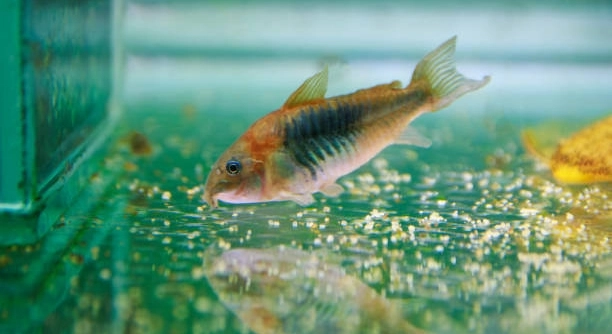
Corydoras catfish are fascinating creatures that thrive in well-maintained, interactive environments. Ensuring they are constantly engaged can significantly improve their quality of life and well-being. Learning how to create a stimulating habitat for them is essential.
To keep Corydoras catfish engaged, it is important to offer a variety of environmental stimuli. This includes creating hiding spots, introducing new objects, and ensuring a diverse and active tank. Regular water changes and tank rearrangement also help maintain interest.
Implementing these strategies will make a noticeable difference in your fish’s behavior and overall health. Keep reading for detailed tips to enhance your Corydoras’ environment.
Provide Hiding Spots and Shelter
Corydoras catfish feel more secure when they have places to hide. In their natural habitat, they often take shelter in crevices or under plants. To recreate this in an aquarium, use decorations like caves, driftwood, or plants that form hiding spots. Not only do these give them a sense of security, but they also encourage natural behavior. Adding these elements can help your catfish feel more comfortable and less stressed. The more variety in hiding places, the better.
While caves and plants are helpful, also consider adding leaf litter or fine gravel to give them opportunities to burrow. These changes may inspire new behaviors and make the environment more interesting. Corydoras are known for their curiosity, and new spots to explore can keep them engaged.
Over time, these additions can help your catfish develop better social and physical behaviors, contributing to a healthier and happier environment.
Create a Varied Environment
A variety of objects and decorations will keep your Corydoras engaged. Different textures and layouts can inspire exploration, making their environment feel new and exciting.
Introducing items like rocks, plants, or even aquarium-safe toys will give them something to interact with. Regularly changing these elements can prevent your catfish from becoming bored. It also allows them to engage with their surroundings in different ways, providing mental stimulation and physical activity.
Add Live Plants to the Tank
Live plants help create a natural and stimulating environment for Corydoras. The plants provide hiding spots and give them something to interact with. Plants like Java moss or Anubias work well for this purpose. They also contribute to water quality, making the tank more comfortable for your fish.
Plants not only enhance the aesthetic of the tank but also encourage natural behaviors in your catfish. They offer places for the fish to swim through and explore. Corydoras enjoy foraging around plants for food, so adding live plants can make feeding times more engaging. The movement of plants in the water will also catch their attention, providing extra stimulation.
Additionally, live plants offer benefits like improving water quality and reducing toxins. They help maintain a healthier tank, which is vital for the well-being of your catfish. Their presence adds another layer of interest and security to your Corydoras’ environment.
Offer Varied Diets
Feeding Corydoras different types of food can keep them more engaged. A variety of foods ensures they are stimulated and helps mimic their natural diet. Try offering sinking pellets, frozen or live food like worms, and small shrimp.
A varied diet encourages Corydoras to forage and explore their tank in search of food. It also prevents them from becoming too accustomed to one food type, which could lead to a lack of interest in feeding time. Offering food in different ways, such as in feeding rings or scattered across the tank, can also make mealtime more exciting for your catfish.
Switching up the food keeps your Corydoras mentally engaged, as they will need to hunt or forage more actively. It encourages them to stay alert and participate in behaviors they would normally exhibit in the wild. This variation in food keeps them engaged in their environment.
Rearrange the Tank Regularly
Rearranging the tank every few weeks can stimulate your Corydoras. Changing the layout challenges them to explore new areas and engage with their environment. It also mimics the natural changes they might experience in the wild.
Even small adjustments to the placement of rocks, plants, or decorations can make a big difference. Corydoras are naturally curious, and a new setup can inspire them to investigate, keeping them mentally stimulated. These changes can prevent them from getting too accustomed to a static environment, ensuring they remain active and engaged.
Add Tankmates for Social Interaction
Corydoras are social fish, so introducing compatible tankmates can boost their engagement. Grouping them with other peaceful fish encourages natural schooling behaviors, which can increase their activity levels.
Make sure to choose tankmates that are not too aggressive or territorial. Fish like tetras or guppies make good companions and can encourage your Corydoras to be more active. This social interaction provides opportunities for them to engage in schooling, a behavior they naturally enjoy, which keeps them more involved in their surroundings.
Monitor Water Quality
Keeping water parameters stable is crucial for Corydoras. Poor water quality can cause stress and reduce their activity levels, making it harder for them to stay engaged. Regular water changes and proper filtration are essential for their well-being.
Consistently check for ammonia, nitrite, and nitrate levels to ensure they are within safe ranges. Clean the tank and replace any water that’s gotten dirty. Providing them with clean, healthy water supports their physical health and encourages them to remain active in the environment you’ve created for them.
FAQ
What is the best tank size for Corydoras catfish?
A 20-gallon tank is a good minimum size for Corydoras, especially if you plan to keep a small group. These fish prefer to be in schools, so having enough space for them to move around comfortably is important. Larger tanks are even better, as they provide more room for swimming and exploring. The water should also be well-filtered to maintain good quality. A larger tank will allow for the addition of plants and other decorations, which will help keep them engaged.
How many Corydoras should I keep together?
Corydoras are social creatures and should be kept in groups of at least five. They feel safer and more confident when surrounded by others of their kind. A larger group of 6-10 Corydoras will encourage more active behaviors like schooling. Keeping them in a group helps reduce stress, as they can interact with each other and explore their environment together.
Do Corydoras catfish need a lid on their tank?
Yes, Corydoras are known to be active and curious fish, and they might attempt to jump out of the tank if they feel stressed. It’s a good idea to have a secure lid to prevent this. A well-fitted lid also helps maintain water temperature and reduces evaporation. Even if they’re not known to jump constantly, it’s better to be cautious, especially if the tank is close to an edge or high surface.
How often should I feed Corydoras catfish?
Corydoras are bottom feeders, so their feeding schedule depends on what you’re offering. Ideally, you should feed them once or twice a day. Make sure the food sinks to the bottom so they can easily access it. Overfeeding can lead to water quality problems, so it’s important to avoid excessive food in the tank. It’s also good to include a variety of foods, like sinking pellets, frozen or live food, to keep them interested and provide a balanced diet.
Can Corydoras live with other fish?
Yes, Corydoras are peaceful and can live with many other species. Good tankmates include tetras, guppies, mollies, and other small, non-aggressive fish. Avoid keeping them with larger or aggressive species that might stress them out. It’s also important to choose fish that won’t compete too much for food, as Corydoras may be slower to reach the food at feeding time.
What is the ideal water temperature for Corydoras?
Corydoras catfish thrive in water temperatures between 72°F and 78°F (22°C to 26°C). They are adaptable, but keeping them within this range will ensure they remain active and healthy. If the water gets too hot or cold, they may become stressed and more susceptible to illness. A reliable aquarium heater is often necessary to maintain the right temperature.
Do Corydoras need a substrate in the tank?
Corydoras prefer a soft substrate, like fine gravel or sand, that they can sift through as they search for food. Avoid sharp gravel or rocks that could injure their delicate barbels. A soft substrate allows them to exhibit natural behaviors like burrowing and scavenging. It also makes it easier for them to find food, keeping them mentally engaged.
How do I know if my Corydoras are happy?
Happy Corydoras are active and move around the tank exploring their environment. They will swim in schools and often interact with each other. If they are hiding too much or staying at the bottom without moving, it could be a sign of stress or illness. Look for signs like swimming upright, eating well, and not showing aggression toward tankmates. A well-maintained tank with the proper water quality and temperature can help ensure their happiness.
Can Corydoras breed in captivity?
Yes, Corydoras can breed in captivity under the right conditions. To encourage breeding, create a separate breeding tank with soft, slightly acidic water. A temperature of around 74°F (23°C) can stimulate spawning. Female Corydoras will lay their eggs on flat surfaces, like plants or decorations. After the eggs are fertilized, they will hatch in a few days. It’s important to remove the parents after the eggs are laid to prevent them from eating the fry.
Are Corydoras catfish sensitive to water changes?
Yes, Corydoras can be sensitive to sudden changes in water parameters, especially temperature and pH. It’s important to perform water changes slowly and gradually to avoid stressing them out. A good practice is to change about 20-30% of the water weekly to keep it clean without shocking the fish. Always match the temperature of the new water with that of the tank to minimize stress.
How long do Corydoras catfish live?
Corydoras catfish generally live for 5-10 years, depending on their care and environment. Providing them with a stable, clean tank, good water quality, and a varied diet can help ensure they live a long, healthy life. Regularly monitor their health and make adjustments to the tank when necessary to keep them thriving.
Final Thoughts
Corydoras catfish are fascinating and resilient creatures that thrive when given the right care. Keeping them engaged in their environment is crucial for their overall well-being. These fish are naturally curious, and providing them with a dynamic and enriched tank environment can help them stay active and happy. Regular water changes, good tank mates, and a suitable substrate all contribute to their health and engagement. By meeting these basic needs, you can create a comfortable and stimulating space for your Corydoras.
While it may take time to find the perfect balance, once you’ve established a healthy tank environment, your Corydoras will likely reward you with their playful, inquisitive nature. Whether it’s rearranging the tank, adding new plants, or offering them different types of food, small changes can have a big impact. Corydoras are social creatures, so they will thrive in groups, enjoying interactions with one another and their surroundings. Paying attention to their social needs, along with physical care, is important to help them remain happy and healthy.
In conclusion, taking the time to ensure your Corydoras are engaged in their environment is an investment in their long-term happiness. A little attention to their needs, such as maintaining water quality and offering a variety of stimuli, will keep them lively and healthy. By creating a space that mimics their natural habitat, you can help them thrive for years to come. With proper care, Corydoras can be a rewarding addition to your aquarium, offering both beauty and character as they explore their environment.

Hello,
If you enjoy the content that we create, please consider saying a "Thank You!" by leaving a tip.
Every little bit helps us continue crafting quality advice that supports the health, happiness, and well-being of pets around the world, for pets of all shapes, sizes, and species.
We really appreciate the kindness and support that you show us!