
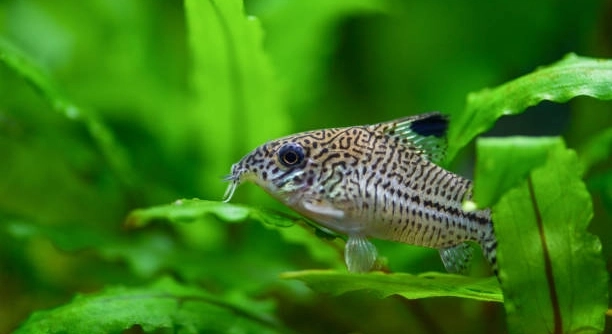
Introducing a new tank can be a challenging experience for Corydoras catfish, especially when they must adapt to a new environment. Understanding how to ease this transition is essential for their well-being and comfort.
To help Corydoras catfish adjust to a new tank, it is important to ensure water parameters like temperature and pH are stable, provide hiding spots for security, and introduce them gradually to minimize stress. Patience is key.
Proper adjustments will improve your catfish’s comfort and reduce stress. These simple changes will help create an ideal environment for their long-term health.
Tank Environment and Setup
When moving Corydoras catfish to a new tank, the setup of the environment plays a crucial role. First, ensure the water temperature matches their natural habitat, which should range between 72°F and 78°F (22°C to 26°C). Test the water’s pH level, aiming for a slightly acidic to neutral range (6.0 to 7.5). It is important to check the ammonia, nitrite, and nitrate levels as well. Any spike in these chemicals can lead to stress or illness for your catfish.
Proper filtration and water movement are essential for maintaining a healthy tank. While Corydoras enjoy well-oxygenated water, they prefer low water flow. An efficient filter system can help with this, but avoid strong currents that may stress the fish. Adding substrate like smooth sand or fine gravel is beneficial, as Corydoras are bottom dwellers that enjoy foraging. Ensure that there are plenty of hiding spots or decorations for them to feel safe. The right environment will provide your Corydoras with the stability needed to adjust comfortably.
Gradual Introduction
A slow introduction helps minimize the shock of the new environment. Start by acclimating them to the water temperature.
Corydoras are sensitive to changes, so slowly adding them to the tank is essential. Float the bag with your catfish in the tank for about 20 minutes to adjust the water temperature. Gradually add small amounts of tank water to the bag, allowing them to adapt to the new water chemistry. This method reduces the risk of shock. After this, gently release your catfish into the tank, ideally during a calm time of day. Make sure the area is quiet to avoid adding any unnecessary stress.
Water Parameters
Maintaining stable water parameters is key to helping Corydoras adjust. These fish thrive in water with a consistent temperature and pH level.
Monitor the water temperature regularly, as sudden changes can stress your fish. Aim to keep the temperature between 72°F and 78°F (22°C to 26°C). pH should be slightly acidic or neutral, ranging from 6.0 to 7.5. Also, check ammonia, nitrite, and nitrate levels frequently. Any spikes in these chemicals can lead to health issues or even death. Having a reliable water testing kit can prevent these dangerous imbalances from going unnoticed.
It’s best to adjust your water parameters slowly to avoid shocking your Corydoras. If changes are needed, try to adjust them gradually over a few days, rather than all at once. This will give the fish time to adapt and avoid potential stress. Regular water changes are essential to keep the tank clean and the environment safe. This routine helps maintain the overall health of your fish while preventing harmful build-ups in the water.
Feeding Habits
Feeding Corydoras is simple, but consistency and the right diet are essential for their adjustment.
Corydoras are bottom feeders, and they prefer sinking pellets or tablets designed for them. Offer a variety of foods like frozen or live foods, including bloodworms or brine shrimp, to meet their nutritional needs. Make sure to feed small amounts a few times a day rather than one large meal. Overfeeding can lead to water quality problems and stress.
Try to stick to a regular feeding schedule, as consistency is vital in helping your catfish feel secure. Make sure to remove any uneaten food from the tank after a few hours to avoid polluting the water. This will also help your Corydoras get accustomed to their new environment while maintaining a clean habitat.
Tank Lighting
Corydoras prefer low to moderate lighting in their tank, as they feel more comfortable in dimmer environments.
Keep the lighting on a regular schedule, providing about 10 to 12 hours of light per day. This mimics their natural environment and helps maintain their health. If the lighting is too bright, Corydoras may become stressed, so consider using a light with adjustable brightness.
Adding plants or decorations will also provide additional shading and hiding spots, creating a more comfortable space for your catfish. This setup mimics their natural habitat and offers them a sense of security.
Tankmates
Corydoras do well with peaceful tankmates. They are social fish, but choosing the right companions is essential for their adjustment.
Avoid aggressive or overly active fish, as they may stress your Corydoras. Small, non-aggressive species like tetras or other bottom dwellers can work well. Monitor interactions to ensure no fish is being bullied or left isolated.
FAQ
What should I do if my Corydoras are hiding?
Corydoras are naturally shy and like to have hiding spots, especially when adjusting to a new tank. If they are hiding more than usual, it’s likely a sign of stress. Ensure there are plenty of hiding places like caves or plants for them to feel secure. It’s also important to check that the water parameters are stable and that there are no sudden changes in temperature or water quality. Once they feel more comfortable in their environment, they will begin to explore more. If hiding continues, check for any signs of illness or injury.
How do I know if my Corydoras are stressed?
Signs of stress in Corydoras include excessive hiding, loss of appetite, rapid gill movement, or lethargy. Stress can result from changes in water quality, temperature fluctuations, or overcrowding. Ensure the water parameters remain stable, and the tank is not overstocked. If the stress continues, it’s important to isolate the issue—check for high ammonia, nitrites, or nitrates, and confirm the fish’s tankmates are compatible. If signs of illness appear, consider consulting an aquarium expert or vet.
Can Corydoras live with other fish?
Yes, Corydoras are peaceful and do well with other non-aggressive species. They are bottom-dwellers and typically keep to themselves, making them compatible with many other types of fish. Avoid keeping them with overly aggressive or larger fish, as they may become stressed or be chased around. Good tankmates include peaceful species like tetras, guppies, or other small catfish. Always monitor interactions when introducing new tankmates to ensure no fish is causing stress.
Do Corydoras need a filter in their tank?
Yes, Corydoras do need a filtration system. Proper filtration ensures the water stays clean and provides the oxygen levels necessary for their well-being. However, it’s important to choose a filter with gentle water flow, as Corydoras do not thrive in strong currents. A filter helps maintain water quality by removing waste and preventing harmful chemical buildups. It also supports the overall health of the tank and reduces the need for frequent water changes.
How often should I feed my Corydoras?
Feed your Corydoras small amounts of food two to three times a day. They are bottom feeders, so sinking pellets or tablets are ideal. Be mindful of the amount of food you give them to avoid overfeeding, which can lead to poor water quality. Remove any uneaten food after a few hours to prevent it from decomposing and affecting the water quality. A varied diet of sinking pellets, bloodworms, and brine shrimp will provide the essential nutrients needed for their health.
What is the best substrate for Corydoras?
Corydoras prefer a soft, fine substrate such as sand or smooth gravel. These fish tend to sift through the substrate with their barbels while foraging for food, and sharp gravel can damage their sensitive barbels. Sand is ideal because it won’t hurt them and allows them to dig and search for food naturally. Avoid large, jagged gravel as it can harm their barbels and lead to stress or injury.
How can I tell if my Corydoras are healthy?
Healthy Corydoras are active, have a healthy appetite, and swim comfortably. They should not display rapid or labored breathing. Their scales should be smooth and free from sores or abnormal growths. Check for normal behavior, like foraging at the bottom of the tank. If they begin to exhibit unusual behaviors like constant hiding, loss of appetite, or skin abnormalities, there may be an underlying health issue, and the water conditions should be checked immediately.
What temperature should I keep the water for Corydoras?
Corydoras thrive in water temperatures between 72°F and 78°F (22°C to 26°C). Keeping the temperature within this range ensures they remain active and healthy. Temperature swings should be avoided, as sudden changes can lead to stress or illness. If necessary, use a heater to maintain a consistent temperature, and monitor it with a reliable thermometer.
Can Corydoras live with shrimp?
Yes, Corydoras can live with shrimp in a tank. Both are peaceful bottom dwellers and typically do not interfere with each other. However, larger shrimp, like Amano shrimp, may be more compatible than smaller species. Keep in mind that while Corydoras won’t usually harm shrimp, they may occasionally nibble on molted exoskeletons or small shrimp if food becomes scarce. Always monitor their behavior and ensure the tank is large enough for both species to coexist comfortably.
How long do Corydoras live?
Corydoras typically live between 5 to 7 years in a well-maintained tank. Their lifespan depends on factors like water quality, diet, and tank conditions. By providing a stable and healthy environment, you can ensure they live a long and healthy life. Regular water changes, proper feeding, and monitoring of tank parameters will contribute to their overall longevity.
Should I quarantine new Corydoras before introducing them to the main tank?
It’s always a good idea to quarantine new Corydoras or any new fish for at least 2 to 3 weeks before introducing them to the main tank. This helps prevent the spread of diseases or parasites to your established tank. Quarantining allows you to monitor the new fish for any signs of illness or stress. If they show signs of disease, treating them in isolation prevents contamination of the main tank.
Final Thoughts
Corydoras catfish are hardy, peaceful fish that adapt well to a variety of tank environments, making them a great choice for both beginners and experienced aquarists. Their natural behavior as bottom-dwellers makes them essential in keeping the substrate clean, as they sift through the sand and eat leftover food. However, their adjustment to a new tank can take some time, especially if water parameters or tank conditions are not ideal. Ensuring stable water quality, proper feeding, and the right tankmates are crucial for a successful transition.
Creating the right environment for your Corydoras involves more than just adjusting the tank’s temperature and pH levels. Their well-being depends on factors like providing hiding spots, controlling light levels, and choosing appropriate substrates. They also benefit from a consistent feeding schedule and varied diet. The use of sinking pellets, live foods, or frozen options ensures they receive the nutrition they need to thrive. Watching their behavior closely for signs of stress, such as excessive hiding or lack of appetite, can help identify issues early on, preventing potential health problems.
Finally, while Corydoras are resilient, they do require care and attention to detail. Consistent monitoring of water conditions, maintaining a peaceful tank environment, and offering a suitable diet will help your catfish adjust quickly to their new home. With the right setup, your Corydoras can live long, healthy lives, enriching your aquarium with their peaceful nature.

Hello,
If you enjoy the content that we create, please consider saying a "Thank You!" by leaving a tip.
Every little bit helps us continue crafting quality advice that supports the health, happiness, and well-being of pets around the world, for pets of all shapes, sizes, and species.
We really appreciate the kindness and support that you show us!