
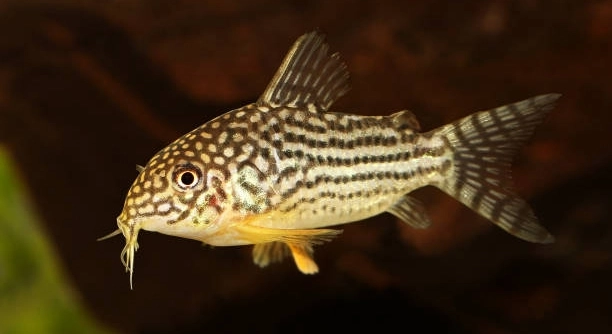
Corydoras catfish are social fish, typically found schooling together. However, there may be times when one or more of your fish might refuse to join the group. Understanding the causes behind this behavior is essential.
Corydoras catfish may not school with others due to various reasons such as stress, illness, or unsuitable water conditions. Inadequate tank size, a lack of hiding spots, or aggression from tank mates can also disrupt their schooling behavior.
Addressing these factors will help restore harmony in your aquarium, allowing your Corydoras catfish to feel safe and comfortable enough to school together again.
Stress and Anxiety
Stress can easily cause your Corydoras catfish to stop schooling. Stressful environments, like sudden changes in water temperature, loud noises, or even unfamiliar tank mates, can make these fish feel unsafe. Corydoras thrive in calm environments where they feel protected. If they sense any form of danger or discomfort, they might isolate themselves from the group.
Sometimes, your fish may not even show visible signs of stress. You might only notice them acting differently—swimming alone or hiding. Identifying stress factors is the first step in improving their well-being.
To reduce stress, ensure the tank is in a quiet area, avoid sudden changes in water temperature, and monitor water quality. Regular water changes and keeping their tank clean will help prevent stress. Consider adding more hiding spots with plants or decorations to make them feel more secure. This gives them space to retreat if needed.
Illness and Injury
If your Corydoras catfish isn’t schooling, illness or injury could be the reason. Fish with infections or wounds tend to isolate themselves to avoid further stress.
Check for any signs of illness, such as faded colors or abnormal swimming patterns. If the fish seems sick or injured, it may need a separate quarantine tank for recovery. Regularly inspect your fish for visible injuries or lesions that could be causing discomfort.
Keeping your Corydoras catfish healthy involves providing proper nutrition, clean water, and a peaceful environment. If needed, consult an aquatic veterinarian for treatment.
Tank Size and Space
A tank that’s too small can cause your Corydoras catfish to feel crowded and stressed. They need space to move around and interact with others. If the tank is overcrowded, they may choose to isolate themselves instead of schooling with the group.
Ensure your tank is large enough to comfortably accommodate your fish, giving each one room to swim and explore. Corydoras are peaceful fish, but they still need sufficient space to avoid territorial stress from their tank mates. A tank with at least 20 gallons should work well for a small group.
Adding a few more hiding spots or plants can also help create individual spaces while still encouraging schooling. Avoid packing the tank with too many fish at once. Overcrowding leads to tension and disrupts their natural behaviors. A balanced tank promotes better social interactions among your fish.
Water Conditions
Corydoras catfish are sensitive to changes in water quality. If the water parameters aren’t ideal, they may avoid interacting with other fish. It’s important to keep their environment stable and clean.
Regular water testing for temperature, pH levels, and ammonia is crucial to ensuring a healthy habitat for your Corydoras. Inconsistent water conditions, like fluctuating temperatures or high ammonia levels, can cause your fish to feel unsafe. Proper filtration and frequent water changes help maintain the ideal water parameters.
These fish are also sensitive to high levels of chlorine or chloramine. Using a water conditioner during water changes helps neutralize harmful chemicals and ensures the water is safe. Keeping water levels stable prevents unnecessary stress and encourages Corydoras to socialize and school with their tank mates.
Aggressive Tank Mates
Aggression from other fish can prevent your Corydoras catfish from schooling. If more dominant or territorial fish are in the tank, your Corydoras may isolate themselves to avoid conflict. Fish like larger cichlids or fast swimmers can create stress.
The best way to avoid this is by choosing peaceful tank mates that won’t bully the Corydoras. Avoid placing them with overly aggressive or highly territorial species. Ensure the aquarium setup offers plenty of hiding spots so your catfish can retreat if needed.
Choosing compatible tank mates ensures your Corydoras can swim freely and feel safe enough to school. Peaceful, non-aggressive fish will foster a more relaxed environment where your catfish will thrive and interact with others.
Water Temperature
Corydoras catfish are sensitive to water temperature. If the temperature is too high or low, they may avoid schooling altogether. The ideal range is between 72-78°F (22-25°C), as extreme temperatures can stress them.
A consistent temperature is key to their comfort. Consider using a reliable heater with a thermostat to maintain stable conditions. Sudden changes in temperature can be stressful and make your Corydoras feel unsafe, leading them to swim alone.
Monitor the water temperature regularly, and make adjustments as necessary. A stable and appropriate water temperature promotes better health and encourages your fish to feel comfortable enough to socialize and school.
Poor Water Quality
Poor water quality often leads to Corydoras catfish isolating themselves. Ammonia spikes, high nitrites, or excessive dirt can make the tank unhealthy for these fish. They may swim away from other fish or hide to avoid exposure.
Performing regular water changes, cleaning the filter, and checking water parameters regularly helps to prevent poor water quality. Keeping the water clean is essential for maintaining the health of your fish and ensuring they remain active.
Regularly testing and adjusting the water will help create a comfortable environment for your Corydoras, encouraging them to swim with their schoolmates. Healthy water quality is key for healthy, social fish.
FAQ
Why is my Corydoras catfish swimming alone?
If your Corydoras is swimming alone, it may be stressed, ill, or facing an issue with water quality. Corydoras are social fish, and normally, they prefer to school with others. However, when they feel threatened or uncomfortable, they may isolate themselves. Check your water parameters, including temperature, pH, and ammonia levels, as poor water conditions can cause stress. If your fish shows signs of illness or injury, separate it from the group to avoid further stress or spread of disease.
How can I help my Corydoras feel more comfortable with the group?
To encourage your Corydoras to school with others, make sure they have plenty of space and hiding spots in the tank. Stress from overcrowding or aggressive tank mates can cause them to avoid interacting with others. Adding plants or decorations can create safe spaces where they can retreat when needed. Also, ensure the water quality is optimal, and monitor the temperature to avoid extremes. A peaceful environment is key to helping your Corydoras feel comfortable with the group.
Can Corydoras catfish school with other species?
Corydoras typically prefer to school with other Corydoras of the same species. However, they can sometimes interact with other peaceful species if the tank is large enough and there are no aggressive fish. Keep in mind that schooling behavior is strongest among their own kind. If you want a mixed tank, make sure all species are compatible and non-aggressive. The more similar the tank mates, the more likely your Corydoras will feel comfortable swimming together.
How many Corydoras should I have in a group?
For Corydoras to feel secure and exhibit natural schooling behavior, it’s best to have at least 6-8 of them in a group. A smaller group may not provide enough social interaction, and they may become stressed or isolated. The more Corydoras you have, the more likely they are to engage in group behaviors. However, make sure your tank is large enough to accommodate the group without overcrowding. A 20-gallon tank is ideal for a small group.
Can temperature affect my Corydoras catfish’s schooling behavior?
Yes, temperature fluctuations can significantly affect your Corydoras’ behavior. These fish prefer stable water temperatures between 72-78°F (22-25°C). If the temperature is too high or too low, they may become stressed and avoid schooling. Ensure your tank heater is working properly and use a thermometer to monitor the water temperature regularly. Sudden temperature changes, such as during water changes, can also stress your fish, so avoid making drastic adjustments.
What should I do if my Corydoras are not eating?
If your Corydoras are not eating, it could be due to stress, poor water quality, or illness. First, check the water parameters to ensure everything is within a safe range. Stress from aggressive tank mates or overcrowding can also cause a loss of appetite. If the water quality is fine and there are no signs of aggression, consider isolating the affected fish in a separate quarantine tank for observation. If the fish shows signs of illness, consult an aquatic veterinarian for advice.
Why is my Corydoras hiding all the time?
Corydoras may hide if they are feeling stressed, sick, or uncomfortable. Poor water quality, aggressive tank mates, or an unsuitable environment can all cause your Corydoras to hide. Make sure the water temperature is stable, and check the ammonia, nitrite, and nitrate levels. Adding more hiding spots with plants or decorations may also help your Corydoras feel more secure. If the hiding behavior persists, monitor your fish for signs of illness or injury.
How do I know if my Corydoras are stressed?
Signs of stress in Corydoras include unusual swimming patterns, such as darting or erratic movements, hiding more frequently, or isolating themselves from the group. They may also lose their appetite or display changes in color. Stress can be caused by various factors such as poor water quality, incompatible tank mates, or environmental changes. Regular water changes, maintaining a peaceful tank, and ensuring the fish are not overcrowded are important steps in preventing stress.
Can Corydoras catfish live with other bottom-dwelling fish?
Corydoras can live with other bottom-dwelling fish as long as they are peaceful and non-territorial. Species like small tetras, peaceful barbs, and other catfish can coexist with Corydoras. However, avoid tank mates that may compete for food or space, as this can cause stress. Ensure that there is enough room for each fish to have its own territory and that the tank has sufficient hiding spots for everyone.
What size tank is best for Corydoras?
The best tank size for Corydoras is at least 20 gallons for a small group of 6-8 fish. This allows enough room for them to swim and school comfortably. A larger tank may be necessary if you plan to add more fish or have other species in the same tank. A well-sized tank with plenty of space will help reduce stress and promote healthier, happier Corydoras.
Do Corydoras need a filter?
Yes, Corydoras benefit from having a filter in their tank. These fish are sensitive to water quality, and a filter helps keep the water clean and oxygenated. A good filter removes waste, debris, and harmful substances, creating a more stable environment. However, make sure the filter’s current is not too strong, as Corydoras prefer gentle water flow. Proper filtration, combined with regular water changes, is essential for maintaining a healthy tank for your Corydoras.
Final Thoughts
Corydoras catfish are peaceful, social fish that thrive when kept in groups, making them a great addition to many aquariums. However, if they’re not schooling, it’s important to consider several factors that could be affecting their behavior. Stress, poor water quality, temperature fluctuations, or incompatible tank mates can all contribute to your Corydoras swimming alone or avoiding other fish. By identifying and addressing these issues, you can help your Corydoras feel more comfortable in their environment and encourage them to school with the rest of the group.
Providing the right environment for your Corydoras is key to their well-being. Make sure the tank is large enough for the number of fish you have and that the water quality is maintained. Regular water changes, proper filtration, and monitoring of temperature and pH are essential to keep your fish healthy and active. Adding hiding spots and plants to the tank can also give your Corydoras a sense of security, allowing them to feel safe enough to interact with other fish. When all these elements are balanced, your Corydoras will be more likely to school together, creating a more natural and harmonious environment.
In conclusion, Corydoras catfish are social creatures that require a stable, peaceful environment to thrive. Paying attention to their needs, such as water quality, tank mates, and overall tank conditions, will help you create the best possible habitat for them. A little care and attention go a long way in ensuring your Corydoras are happy and schooling together.

Hello,
If you enjoy the content that we create, please consider saying a "Thank You!" by leaving a tip.
Every little bit helps us continue crafting quality advice that supports the health, happiness, and well-being of pets around the world, for pets of all shapes, sizes, and species.
We really appreciate the kindness and support that you show us!