
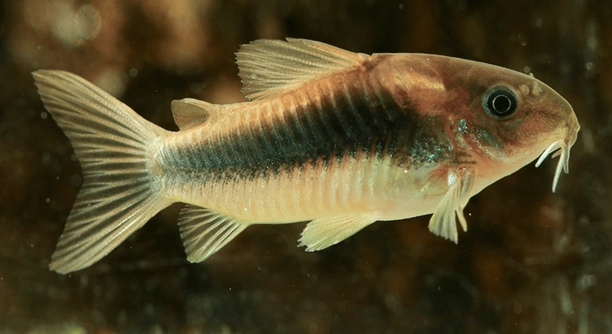
If you own a Corydoras catfish and notice abnormal swimming patterns, it can be concerning. Fish behavior changes can result from various factors affecting their health and environment. Identifying the cause is essential for their well-being.
The main reason your Corydoras catfish may not be swimming normally is related to environmental stressors, such as poor water quality, inadequate tank conditions, or physical injury. Addressing these factors can help restore normal swimming behavior.
Taking the right steps to improve your fish’s habitat will ensure they remain healthy and active.
Poor Water Quality
Water quality is one of the most common reasons for abnormal swimming in Corydoras catfish. These fish are sensitive to changes in their environment, particularly to toxins like ammonia, nitrites, and nitrates. In poor water conditions, your fish may become sluggish, stop swimming, or swim erratically. Regular water changes and using a reliable filtration system are essential for maintaining a healthy tank environment. Always test water parameters to ensure they are within the appropriate range for Corydoras. If the water quality is off, it’s crucial to correct it as soon as possible to avoid long-term health problems for your fish.
When the water quality improves, you should see a noticeable change in your Corydoras’ behavior. Keeping the water clean is vital not only for swimming but also for the overall health of the fish.
A stable, clean environment encourages better activity and reduces the risk of stress. Routine water checks will ensure that the tank remains safe for your fish and help you catch any issues before they worsen.
Inadequate Tank Size
Tank size plays a major role in the behavior of your Corydoras catfish. These fish are active and social creatures that require enough space to move freely. If your tank is too small, they may feel cramped, which can lead to stress and abnormal swimming patterns.
Corydoras thrive in tanks with a minimum of 20 gallons for a small group. Providing ample space will help prevent territorial disputes and give the fish room to swim naturally. A spacious environment also makes it easier to maintain stable water parameters.
Adding enough space for your Corydoras to swim and interact freely can greatly improve their overall health and well-being. Larger tanks allow for better filtration and more stable water conditions, which benefit the fish. Always consider the number of fish in your tank when determining the appropriate size to avoid overcrowding, which could lead to further stress and abnormal behavior.
Overfeeding
Overfeeding is a common mistake that can lead to unhealthy behaviors in Corydoras catfish. Excess food in the tank not only pollutes the water but can also cause digestive issues for your fish. This can result in slower swimming or lethargy.
To prevent overfeeding, it’s important to feed only what your Corydoras can consume in a few minutes. Any uneaten food should be removed promptly to avoid water contamination. Overfeeding can also lead to excess waste, which further degrades water quality and increases stress on your fish.
Feeding small amounts multiple times a day, rather than one large portion, ensures your fish are properly nourished without overwhelming their digestive system. Keeping a consistent feeding schedule and observing their appetite will help maintain a healthy balance. Proper nutrition is key for maintaining active behavior and supporting overall health.
Stress from Tankmates
Corydoras catfish can be sensitive to the behavior of other fish in the tank. Aggressive or overly active tankmates can cause stress, leading to abnormal swimming and hiding. It’s essential to choose compatible species when stocking your tank.
Stress can be caused by both physical threats, such as chasing, and environmental disruptions, such as loud noises or sudden changes in temperature. Corydoras prefer calm environments with peaceful tankmates. If they feel threatened, they may swim erratically or stop swimming altogether.
Observing the interactions between your fish can help determine if tankmates are the source of stress. If necessary, consider separating aggressive fish or rearranging the tank to reduce tension. A harmonious tank setup is crucial for the well-being of your Corydoras.
Water Temperature
Corydoras catfish prefer stable water temperatures, typically between 72°F and 78°F. Significant fluctuations can stress the fish, leading to abnormal swimming patterns or even illness. It’s important to monitor the temperature regularly.
Using a reliable aquarium heater and thermometer helps maintain consistency. Sudden temperature changes from the room or equipment can cause stress, so keeping the tank at a steady, suitable temperature is essential for their health.
Avoid placing your aquarium near drafts or direct sunlight, as this can cause temperature swings. A consistent temperature promotes a comfortable environment for your Corydoras, allowing them to swim normally and stay active.
Illness or Injury
If your Corydoras is swimming abnormally, it could be a sign of illness or injury. Fish can suffer from various diseases, including parasites or internal infections, which can impact their swimming ability. Injuries, such as cuts from sharp decorations, can also affect their movement.
In some cases, sick or injured fish may become lethargic or swim erratically, often seeking shelter at the bottom of the tank or in hiding spots. It’s essential to check your fish for signs of injury or unusual spots on their body. If illness is suspected, consider treating with appropriate medications.
Quickly addressing any injuries or health issues will prevent the condition from worsening. Quarantining the affected fish can also help prevent the spread of diseases to other tank inhabitants.
Lack of Proper Hiding Spots
Corydoras catfish are bottom-dwelling fish that prefer hiding spots for rest and safety. If there aren’t enough hiding places, your fish may become stressed, leading to abnormal swimming behaviors.
Add hiding spots such as caves, plants, or rocks to your tank to provide security. This helps the fish feel protected and reduces stress, allowing them to swim more comfortably. Providing an environment where they can retreat when needed supports better overall health.
FAQ
Why is my Corydoras not swimming normally?
There are several reasons why your Corydoras might not be swimming as expected. Poor water quality, an improper tank size, overfeeding, or stress from tankmates can all affect their swimming. It’s essential to check your tank’s water parameters, ensure it is large enough, and feed appropriately to address these issues. Stress from aggressive tankmates or sudden changes in their environment can also cause abnormal behavior.
How do I know if my Corydoras is sick?
Signs of illness in Corydoras include unusual swimming patterns, lethargy, loss of appetite, or visible symptoms like spots, lesions, or swelling. If your fish appears to be struggling to swim, it’s crucial to check for any injuries or signs of disease. Quarantining and treating the affected fish can help prevent the spread of illness.
Can I keep Corydoras with other fish?
Yes, Corydoras are peaceful fish and can live well with other calm, non-aggressive species. However, avoid keeping them with large, aggressive fish that may stress them or make them feel threatened. Small to medium-sized peaceful fish like tetras, guppies, and other bottom-dwellers make good companions for Corydoras.
How often should I feed my Corydoras?
It’s important not to overfeed your Corydoras. Feed them small portions once or twice a day, allowing them to consume everything in a few minutes. Any leftover food should be removed promptly to prevent water contamination. Overfeeding can lead to poor water quality and health problems for your fish.
What is the ideal water temperature for Corydoras?
Corydoras thrive in water temperatures between 72°F and 78°F. Keeping the water within this range will help maintain their health and encourage normal swimming. Temperature fluctuations can cause stress and abnormal behavior, so it’s essential to use a reliable heater and thermometer to maintain consistency.
Can Corydoras live alone?
Corydoras are social fish and prefer to live in groups. They feel safer and more comfortable when kept with other Corydoras. Keeping them in small groups of at least three to five individuals can help reduce stress and encourage natural behaviors, such as swimming and foraging.
What size tank do Corydoras need?
A tank with a minimum of 20 gallons is ideal for a small group of Corydoras. They require space to swim comfortably and avoid overcrowding. A larger tank also makes it easier to maintain water quality, reducing the risk of health issues. Always consider the number of fish in your tank when choosing the right size.
How can I improve water quality for my Corydoras?
Regular water changes and using a good filtration system are key to maintaining water quality. Test your water regularly to ensure the levels of ammonia, nitrites, and nitrates are safe. Remove any uneaten food promptly, and avoid overfeeding to prevent water contamination. Keeping the tank clean and stable helps promote normal behavior.
Do Corydoras need a special diet?
Corydoras are omnivores and require a varied diet to stay healthy. High-quality sinking pellets or tablets are a good staple, but supplementing their diet with frozen or live foods like bloodworms, brine shrimp, and daphnia is beneficial. Offer a balanced diet to support their growth, health, and energy levels.
How can I reduce stress in my Corydoras?
To reduce stress, provide hiding spots in the tank, such as caves, plants, or rocks, so they can retreat when needed. Avoid aggressive tankmates, and ensure the tank conditions, like water quality and temperature, are stable. A peaceful, stable environment encourages healthy behavior and better swimming.
Why is my Corydoras staying at the bottom of the tank?
Corydoras are bottom-dwellers, so it’s normal for them to spend much of their time near the bottom of the tank. However, if they are staying in one spot or not swimming at all, it could be a sign of stress, illness, or poor water conditions. Check the water quality, temperature, and tankmates to rule out any potential problems.
Can Corydoras live in a tank with a strong current?
Corydoras prefer calm, slow-moving waters. While they can tolerate some current, a strong flow can stress them out and make swimming difficult. If your tank has a strong current, consider using a sponge filter or adjusting the flow to create a more peaceful environment for your fish.
Final Thoughts
Corydoras catfish are generally hardy and peaceful fish that thrive in well-maintained environments. However, when they stop swimming normally, it can be a sign of underlying issues that need attention. Common causes such as poor water quality, overfeeding, stress from aggressive tankmates, or even illness can all contribute to abnormal behavior. By addressing these factors and ensuring the tank environment is stable, you can help your Corydoras recover and return to their active state.
Regular tank maintenance is crucial for the well-being of your fish. Monitoring water parameters such as temperature, pH, and ammonia levels is key to preventing stress and illness. Ensuring that your Corydoras have enough space to swim and hide when needed will reduce stress and encourage natural behavior. Keeping the tank clean, feeding appropriately, and ensuring compatible tankmates will also contribute to a healthier environment for your fish. Small adjustments can often make a significant difference in their behavior.
If you notice any signs of illness or persistent abnormal swimming, it’s important to act quickly. Quarantining affected fish, treating any diseases, and making sure the overall tank conditions are optimal can often resolve the issue. Corydoras are social creatures, so keeping them in groups and offering a peaceful, stable environment is essential for their well-being. With proper care, your Corydoras catfish will likely return to their normal swimming habits and remain a healthy part of your aquarium.

Hello,
If you enjoy the content that we create, please consider saying a "Thank You!" by leaving a tip.
Every little bit helps us continue crafting quality advice that supports the health, happiness, and well-being of pets around the world, for pets of all shapes, sizes, and species.
We really appreciate the kindness and support that you show us!