
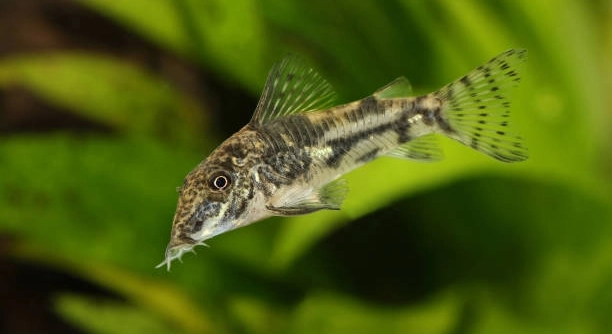
Corydoras catfish are popular aquarium fish known for their peaceful nature and playful behavior. However, when too many of them are in one tank, it can lead to crowded conditions, affecting their health and well-being.
Overcrowding in a tank can lead to poor water quality and stressed fish, which may cause health problems. Corydoras need enough space to swim freely, and too many in one area can result in aggression and illness.
Recognizing the signs of overcrowding is essential for maintaining a healthy tank. Understanding these signs helps prevent issues and ensures your fish thrive in their environment.
Too Many Fish in the Tank: How Overcrowding Affects Your Corydoras Catfish
Overcrowding can be a major concern for your Corydoras catfish. When too many fish are in a small space, the quality of the water decreases, making it harder for the fish to breathe and move around comfortably. In smaller tanks, your fish will have limited swimming space, leading to stress and potential territorial issues. Corydoras thrive in environments where they can freely explore their surroundings without competition for space and resources. Overcrowding also increases the chances of diseases spreading more quickly, as the tank’s filtration system may struggle to keep up with the waste. The oxygen levels in the tank may drop, making it difficult for your fish to stay healthy. Maintaining the right balance of fish in your tank is crucial to keeping your Corydoras happy and thriving.
When your tank is overcrowded, it can result in increased aggression among the fish. This stress can lead to injuries, particularly as Corydoras are bottom dwellers who may be pushed around by other fish.
To prevent overcrowding, it’s essential to follow a general guideline of one inch of fish per gallon of water. This ensures that each fish has enough space to swim and stay healthy. Regular tank maintenance, such as water changes, can help keep the environment stable and reduce stress on the fish. Keeping the right number of fish not only ensures your Corydoras are comfortable but also improves their chances of living a long, healthy life. Proper tank setup, along with attention to the tank’s population, will make all the difference in maintaining a peaceful environment for your catfish.
Signs of Overcrowding in Your Corydoras Tank
One of the first signs of overcrowding is the increased aggression between your fish.
Aggression can often be observed when Corydoras catfish become territorial or start to chase each other. In a crowded tank, space becomes limited, and your fish may feel the need to defend their area. Stress from overcrowding also lowers their immune system, making them more vulnerable to illness. When overcrowded, Corydoras may become less active, spending more time hiding and avoiding interaction with other fish. If your fish seem lethargic or uncomfortable, it’s a clear indicator that the tank may not be providing enough space for them.
Poor Water Quality from Overcrowding
Overcrowding quickly leads to poor water quality. The more fish in the tank, the more waste is produced, which can overwhelm the filtration system.
Excess waste causes an increase in toxins like ammonia and nitrites, which are harmful to Corydoras catfish. Even if you have a filter, it may struggle to maintain clean water if there are too many fish. You’ll notice that the water becomes cloudy and may even develop a strong odor. In some cases, the fish might display signs of stress, like gasping at the surface, as they struggle to get enough oxygen. Regular water changes and proper filtration are essential when dealing with overcrowding.
Maintaining a stable, clean environment is crucial for your Corydoras catfish’s health. Without proper water quality, your fish may experience health issues such as skin irritation, fin rot, or even death. Always test the water regularly and keep an eye on the tank’s chemical balance. If you notice your fish struggling to breathe or becoming lethargic, it’s time to assess the tank’s population.
Stressed Fish and Aggressive Behavior
When too many Corydoras are placed together, stress becomes inevitable. Overcrowding leads to a rise in aggression among the fish.
Stress-related behavior can manifest as frequent chasing or fighting, especially between males. Corydoras are naturally peaceful, but when the tank becomes too crowded, territorial disputes can increase. They may become overly aggressive, even injuring each other during their interactions. These conflicts may be triggered by a lack of space or by overcrowding near their favorite hiding spots. You’ll notice that your fish may spend more time hiding or become less active due to anxiety. Aggression reduces the overall health of the fish and harms the social dynamics of the tank.
It’s important to recognize these behaviors early. If aggression is present, consider reducing the number of fish in the tank or upgrading to a larger one. Keeping an eye on your Corydoras’ interactions with one another can help avoid long-term issues. Healthy fish need space to swim and feel safe in their environment. Overcrowding disrupts their natural behavior and reduces their overall well-being.
Decreased Activity and Hiding Behavior
When Corydoras catfish are overcrowded, they become less active.
Normally active bottom dwellers, they start spending more time hiding. Overcrowding stresses them, and they feel less secure. You may notice your catfish staying in one spot, avoiding movement or interactions with others. This behavior is a sign they are stressed and uncomfortable.
Corydoras thrive in tanks where they can explore and socialize with each other. Overcrowding reduces their opportunity to do this. As a result, they may lose interest in their surroundings, and you’ll see them move less, especially during the day when they would typically be active.
Inability to Find Food
Overcrowded tanks can also create competition for food.
Corydoras need to forage at the bottom of the tank for food. In a crowded space, there may not be enough for everyone, and some fish may struggle to get the nutrition they need. This can lead to malnourishment over time.
Having multiple Corydoras in a small tank can cause uneaten food to pile up, impacting water quality as well. You might notice that the fish seem underfed or are fighting over food, a clear sign the tank is overcrowded.
FAQ
What is the ideal number of Corydoras catfish for a tank?
The ideal number of Corydoras catfish in a tank depends on the size of the aquarium. As a general rule, one Corydoras needs about 10 gallons of water. If your tank is 20 gallons, you can comfortably house 2-3 Corydoras. Overcrowding can lead to stress, poor water quality, and aggressive behavior. It’s essential to provide enough space for each fish to move freely and comfortably. A larger tank allows for more fish, but be mindful of the species’ need for space to swim and thrive.
How do I know if my Corydoras are stressed?
Stress in Corydoras catfish can show in several ways. They may start hiding more than usual, lose their usual activity levels, or even stop eating. Overcrowding is a common cause of stress, and if the tank feels cramped, it can lead to aggression, health issues, or injuries. You might notice that the fish seem to be avoiding others or staying in one area, which indicates they are uncomfortable. Their gills may also be more pronounced, and they might even swim near the surface looking for more oxygen.
How can I prevent overcrowding in my Corydoras tank?
Preventing overcrowding starts with planning your tank’s population based on its size. A simple rule is to allow 1 inch of fish per gallon of water. Before adding new fish, check the size and swimming space each one will require. Regularly monitor your tank’s water quality and make adjustments as needed. If you notice any signs of overcrowding, such as excessive hiding or aggressive behavior, consider removing some fish or upgrading to a larger tank. Proper filtration and regular water changes can also help maintain a healthy environment.
Can I mix Corydoras with other fish species?
Corydoras catfish are peaceful bottom dwellers and can generally be kept with other non-aggressive fish. However, avoid aggressive or overly large fish that might outcompete the Corydoras for food or space. Species like tetras, rasboras, and peaceful livebearers usually make great tankmates for Corydoras. Ensure there is enough space for everyone to avoid stress. Be mindful of the tank’s capacity to prevent overcrowding.
What are the best tank mates for Corydoras catfish?
The best tank mates for Corydoras catfish are species that do not compete for the same space or food. Small, peaceful fish such as neon tetras, guppies, and shrimp work well with Corydoras. Avoid keeping Corydoras with fish that are aggressive, such as cichlids or larger species that may bully them. Make sure there are hiding places and plants in the tank to give your Corydoras a sense of security. Providing a well-planted, spacious tank can help reduce stress and improve their well-being.
How often should I clean the tank if I have Corydoras?
Cleaning frequency depends on the tank’s size and the number of fish. As a general rule, you should clean the tank every 1-2 weeks, including changing 20-30% of the water. Overcrowded tanks will need more frequent cleaning to maintain water quality. Regularly check the filter and replace it if necessary, as it can become clogged with waste. Keep an eye on water parameters such as ammonia, nitrite, and nitrate levels to ensure they are within safe ranges. Regular maintenance will keep your Corydoras healthy and help prevent overcrowding-related issues.
Do Corydoras catfish need a filter?
Yes, Corydoras catfish require a filter. They produce waste, and a proper filtration system helps maintain clean water. In an overcrowded tank, the filter is even more essential to remove toxins and keep oxygen levels stable. It’s important to use a filter that’s appropriate for the size of your tank, and one that can handle the waste produced by the fish. Be sure to clean the filter regularly to keep it working efficiently and avoid buildup of harmful substances in the water.
What should I feed Corydoras catfish?
Corydoras are bottom feeders and typically enjoy a diet of sinking pellets, wafers, or live/frozen food such as bloodworms, brine shrimp, and daphnia. They also forage for leftover food in the tank, which helps keep the substrate clean. Make sure not to overfeed, as uneaten food can degrade water quality. A varied diet will keep them healthy and active, so rotate between dry and frozen foods to provide balanced nutrition. Consider supplementing with algae wafers or vegetable matter, as Corydoras also consume some plant matter in the wild.
How do I know if my Corydoras are healthy?
Healthy Corydoras are active, social fish that interact with tank mates and enjoy foraging along the bottom. They should have clear, vibrant eyes and fins. The body should be free of lesions or discoloration, and they should swim comfortably, without signs of difficulty breathing. Corydoras that are stressed or ill may hide more often, lose their appetite, or exhibit abnormal swimming patterns. A healthy Corydoras is a good indicator of a well-maintained tank with proper water conditions and a balanced environment. Regular observation of their behavior can help detect any issues early.
Can I add more Corydoras if I already have a few in the tank?
Adding more Corydoras to an existing tank can be done, but only if there is enough space to accommodate them. Overcrowding can stress the fish, so check the tank’s capacity before adding more. It’s recommended to add Corydoras in small groups rather than one by one, as they are social fish and feel more secure in groups. Make sure to monitor water quality, as an increase in the fish population can cause an imbalance in the tank’s environment. Proper filtration and regular maintenance will be necessary to ensure the new fish settle in without issues.
Final Thoughts
When it comes to keeping Corydoras catfish in your aquarium, understanding their needs and creating a suitable environment is key. These fish are social creatures that thrive in groups, and they require enough space to move around freely. Overcrowding in the tank can lead to stress, reduced activity, and even health problems. It’s important to maintain a proper balance of fish and to pay attention to the tank’s size and water quality. Regular maintenance, like water changes and cleaning the filter, will also ensure a healthy environment for your Corydoras.
If you notice signs of overcrowding, such as reduced activity or aggression, it’s crucial to address the issue promptly. The best way to prevent overcrowding is by following the rule of providing about 10 gallons of water per Corydoras. If you find your fish struggling to find food or engaging in unusual behavior, it may be time to reconsider the tank’s stocking level. Ensuring your Corydoras have enough space will help them thrive and reduce the risk of stress-related health issues.
Ultimately, a well-maintained tank with the right number of Corydoras will provide a healthy and happy environment for both the fish and the aquarium keeper. Monitoring their behavior and water quality regularly will help you spot potential problems before they become serious. Corydoras are generally hardy and easy to care for, but like any fish, they need proper attention and care. By following these guidelines, you can ensure that your Corydoras remain healthy and comfortable in their aquatic home.

Hello,
If you enjoy the content that we create, please consider saying a "Thank You!" by leaving a tip.
Every little bit helps us continue crafting quality advice that supports the health, happiness, and well-being of pets around the world, for pets of all shapes, sizes, and species.
We really appreciate the kindness and support that you show us!