
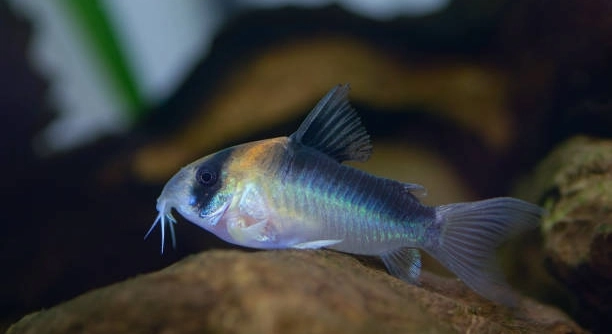
Is your Corydoras catfish spending more time staying still than swimming around the tank like usual? This behavior can seem unusual and concerning.
Corydoras catfish may stay still due to stress, poor water conditions, illness, or lack of stimulation. Factors like low oxygen, overcrowding, or sudden environmental changes can also contribute to this inactive behavior.
Learning what’s affecting your Corydoras can help you create a healthier and more active environment in your aquarium.
Poor Water Quality
Corydoras are sensitive to changes in their environment, especially when it comes to water quality. High ammonia or nitrite levels, low oxygen, or sudden temperature fluctuations can stress them and make them stay still. Even slight imbalances in pH or hardness may cause discomfort. Regular water testing and weekly partial water changes help maintain stability. A clean substrate is also important, since Corydoras are bottom dwellers and spend a lot of time in contact with the tank floor. If the water isn’t clean, they’ll often reduce movement to conserve energy or avoid discomfort.
Testing your water weekly can prevent long-term issues. A drop in activity may be one of the earliest signs something is off.
Use a reliable liquid test kit and clean the tank regularly. Keep the filter maintained and avoid overfeeding, which can lead to waste buildup. Always match new water to tank temperature during water changes.
Stress from Tank Mates
Some fish are too aggressive or fast-moving for Corydoras.
If they’re paired with fish that chase or nip at them, Corydoras might stay hidden or motionless to avoid conflict. This kind of stress can lead to weakened immune systems over time. Fish like barbs, cichlids, or overly active tetras may not be the best tank mates. Instead, choose peaceful fish that respect space. Corydoras also do best in groups of their own kind, ideally six or more, as they are social. Isolation or being the only Corydora in the tank can also result in reduced activity.
Creating a calm, well-balanced tank helps them feel secure. Add plants and decorations to break sight lines and offer places to rest without feeling exposed. Watching how your fish interact daily gives you clues to potential social stress. If needed, consider rehoming certain species or setting up a new tank to create a more suitable environment for your Corydoras to thrive.
Illness or Parasites
If your Corydoras is staying still more than usual, illness could be the cause. Common signs include faded color, rapid gill movement, or white spots on the body. These symptoms often point to internal or external parasites.
Bacterial infections may also lead to sluggish behavior. These can develop from injuries, dirty water, or stress. External parasites like ich cause itching and discomfort, leading the fish to remain still or rub against surfaces. Internal parasites may result in weight loss or a swollen belly. Quarantining new fish, maintaining water cleanliness, and monitoring for symptoms can help prevent outbreaks.
Medication is often necessary if parasites or infections are confirmed. Make sure to treat the whole tank if it’s a contagious condition. Use aquarium salt or prescribed treatments as directed, and avoid overmedicating. If in doubt, remove the affected fish to a hospital tank to observe them more closely and avoid infecting others.
Lack of Stimulation or Hiding Behavior
Corydoras sometimes stay still due to boredom or a lack of environmental enrichment. Without hiding spots, varied terrain, or areas to explore, they may feel insecure or uninterested in moving.
A dull tank setup leads to less natural behavior. Adding plants, driftwood, and caves can make a big difference. Corydoras also enjoy fine sand substrates, which let them sift through safely. Gravel can be uncomfortable and lead to injuries or limited movement. Provide gentle water flow and keep lighting moderate to avoid stress. Grouping them properly is another way to encourage movement. Active social interaction within a group helps reduce shyness. Give them space to explore while ensuring shelter is always available. When they feel safe and stimulated, they move around more confidently and display their playful behavior naturally.
Unstable Water Temperature
Corydoras are sensitive to temperature swings. Sudden drops or rises in water temperature can cause them to become sluggish or inactive. A reliable heater and thermometer help maintain a steady range between 72°F and 78°F, which supports their comfort and movement.
Avoid placing the tank near windows, heaters, or air vents. These areas often cause fluctuations that stress the fish. Even routine water changes with mismatched temperatures can lead to temporary inactivity. Matching new water to the tank’s temperature is key in keeping them active and healthy.
Aging or Natural Rest Periods
Older Corydoras tend to move less and rest more. This can be normal as long as they still eat and respond to their environment.
Low Oxygen Levels
Corydoras rely on both gill and surface breathing. If oxygen is low, they may rest more often or gulp air at the surface. Adding an air stone or increasing surface agitation can help improve oxygen flow and support better activity levels.
FAQ
Why is my Corydoras catfish staying still?
Corydoras may stay still due to poor water quality, stress from tank mates, illness, or low oxygen levels. It’s important to check water parameters, ensure compatible tank mates, and observe for any signs of illness.
How can I improve water quality for my Corydoras?
Regular water changes, proper filtration, and testing for ammonia, nitrites, and nitrates are essential. Maintain a consistent pH and hardness that fits Corydoras’ needs, usually between 6.0 to 7.5 for pH and 4-12 dGH for hardness.
Can poor water temperature cause inactivity?
Yes, Corydoras are sensitive to temperature changes. Temperatures outside the range of 72°F to 78°F can stress them and make them less active. Ensure a consistent, stable temperature to support healthy movement.
What can I do if my Corydoras is stressed?
Stress often comes from aggressive tank mates, sudden changes, or poor water conditions. To reduce stress, improve tank setup by adding more hiding places, keeping the water clean, and removing aggressive species.
Are Corydoras better in groups?
Yes, Corydoras are social fish that feel more secure in groups. Keeping them in groups of at least six helps them feel safe and encourages natural behaviors, reducing inactivity.
Do Corydoras hide a lot?
Corydoras can be shy, especially in new or stressed environments. Providing plants, caves, or decorations can help them feel safe, encouraging them to swim and explore.
How do I know if my Corydoras is sick?
Signs of illness include fading colors, swollen belly, rapid gill movement, or visible sores. Look for abnormal swimming patterns or scratching against objects, which may indicate parasites. If symptoms are present, quarantine the fish and treat as needed.
Can Corydoras recover from illness?
Corydoras can recover from many illnesses with proper treatment. It’s essential to quarantine affected fish and provide the right medication for the illness. Ensure water quality is optimal during recovery to prevent relapse.
How often should I clean my Corydoras tank?
Clean the tank every week, performing partial water changes of about 20-25%. Check filters monthly and remove any debris from the substrate. Regular cleaning ensures a healthy environment and prevents harmful waste buildup.
What kind of tank mates do Corydoras prefer?
Corydoras prefer peaceful, slow-moving fish. Avoid tank mates that are aggressive or too active, as these can stress the Corydoras. Good tank mates include tetras, peaceful gouramis, and small, calm barbs.
Can I use gravel in a Corydoras tank?
Gravel isn’t ideal for Corydoras. They prefer a soft sand substrate because it’s gentler on their barbels. Gravel can cause injuries to their sensitive barbels and limit natural foraging behaviors.
What should I feed my Corydoras?
Corydoras are omnivores and will eat sinking pellets, frozen or live foods, and occasional vegetables like blanched zucchini. Ensure they have a varied diet that provides the necessary nutrients for optimal health.
How do I encourage my Corydoras to be more active?
To encourage more activity, provide a varied tank environment with plants, rocks, and hiding spots. Avoid overly aggressive tank mates and make sure the water conditions, including temperature and oxygen levels, are stable.
What is the best filter for a Corydoras tank?
A gentle filter is best for Corydoras. They don’t like strong currents, so choose a filter with adjustable flow or one rated for your tank’s size but not too strong.
Can Corydoras live with other bottom dwellers?
Corydoras can live with other bottom dwellers if the species are peaceful. Avoid large or aggressive bottom feeders like larger catfish, as these may outcompete the Corydoras for space and food.
Are Corydoras hardy fish?
Yes, Corydoras are generally hardy fish but require good water quality and a stable environment to thrive. Stress from poor conditions can lead to illness and inactivity.
How do I tell if my Corydoras is too old?
As Corydoras age, they may become less active and spend more time resting. This is natural, but if they show signs of illness or drastic inactivity, check water quality and provide a suitable environment.
Why is my Corydoras staying at the top of the tank?
Corydoras may stay at the top of the tank if oxygen levels are low or if they’re stressed. Consider adding an air stone or increasing surface agitation to improve oxygen flow.
Can Corydoras live without an air pump?
Corydoras can survive without an air pump, as long as there’s sufficient oxygen in the water. A gentle filter can provide necessary water movement. However, adding an air stone can help improve oxygenation if needed.
How do I ensure my Corydoras stay healthy long-term?
Maintain clean water, a balanced diet, and a peaceful environment. Regular water testing, proper tank maintenance, and attention to tank mates are essential for long-term health and activity.
Final Thoughts
Corydoras catfish are resilient and active fish, but they can sometimes display unusual behavior, such as staying still for extended periods. This can be due to various factors, including poor water quality, temperature fluctuations, illness, or environmental stress. Understanding these possible causes is key to keeping your Corydoras healthy and active. By addressing issues such as water quality, tank setup, and tank mate compatibility, you can create an environment where your fish can thrive.
It’s essential to regularly monitor the water conditions in your tank. Ammonia, nitrites, and nitrates should be kept at safe levels, and the pH should match the needs of your Corydoras. Additionally, ensuring the water temperature remains stable within the range of 72°F to 78°F will prevent stress and encourage natural movement. Corydoras are bottom dwellers and feel safest in tanks with plenty of hiding spots, soft substrates, and calm tank mates. Ensuring your fish are comfortable in their environment will help them feel secure and encourage activity.
If your Corydoras continues to stay still despite improving the tank environment, it may be worth checking for illness or parasites. Common signs of sickness in Corydoras include fading colors, swelling, or abnormal swimming patterns. In such cases, isolating the affected fish in a quarantine tank and seeking the appropriate treatment will be necessary. With proper care and attention to their environment, Corydoras catfish can live long, healthy lives. Regularly observing their behavior will help you identify any issues early and take action to ensure their well-being.

Hello,
If you enjoy the content that we create, please consider saying a "Thank You!" by leaving a tip.
Every little bit helps us continue crafting quality advice that supports the health, happiness, and well-being of pets around the world, for pets of all shapes, sizes, and species.
We really appreciate the kindness and support that you show us!