
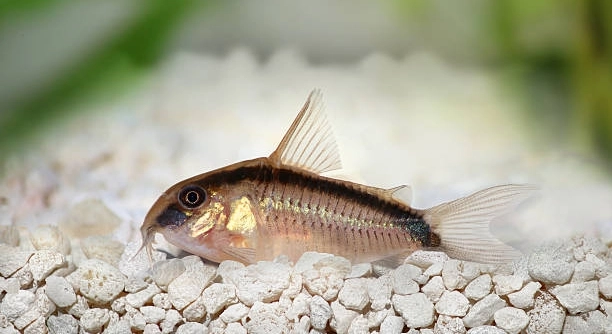
Are your Corydoras catfish acting shy or hiding more than usual after moving them to a new aquarium setup? Adjusting to change can be tough for these gentle bottom-dwellers, but small steps can help.
The best way to help your Corydoras catfish adjust to a new tank setup is by gradually introducing them to stable water conditions, providing plenty of hiding spots, and minimizing disturbances during the transition period.
These simple strategies can support your Corydoras through the adjustment phase and promote their long-term comfort in the new environment.
Let Them Settle at Their Own Pace
When introducing your Corydoras catfish to a new tank, it’s important to let them settle without rushing the process. These fish are naturally shy and prefer calm surroundings. Once placed in the tank, keep the lights dim for the first few hours and avoid tapping the glass or making loud noises near the setup. Make sure the tank is fully cycled before adding them, as unstable parameters can increase their stress levels. It’s helpful to let them explore on their own terms without too much interference. Offer sinking pellets or soft frozen foods to encourage them to eat once they start feeling more comfortable. Placing temporary covers like floating plants or soft decorations can also help reduce stress. They need time to adjust to new smells, lighting, and layout. A little patience during this early stage can lead to a smoother transition and healthier fish overall.
Start slow and give them space. Rushing can cause more harm than good, especially with sensitive fish like Corydoras.
If they stay hidden for the first few days, that’s perfectly normal. Their instincts tell them to be cautious in new environments. Keep an eye on their behavior and allow them to come out naturally. Forcing interaction or adding new fish right away can delay the adjustment period. Instead, focus on providing a peaceful setting where they feel safe. As they begin to feel more secure, you’ll notice them swimming in small groups and exploring the tank floor more freely.
Maintain Stable Water Conditions
Even small changes in water conditions can affect your Corydoras. Keeping things consistent helps them feel secure.
Use a reliable aquarium test kit to regularly check pH, ammonia, nitrite, and nitrate levels. Corydoras do best in slightly acidic to neutral pH, ideally around 6.5 to 7.5. Ammonia and nitrite should always be at zero, while nitrates should remain low. Make sure the tank is fully cycled before introducing them, and perform water changes weekly—around 20 to 30 percent is enough for most setups. Use a water conditioner to remove chlorine and chloramine, which can irritate their gills. Temperature matters too; try to keep it between 72°F and 78°F with a stable heater. Sudden drops or spikes can be stressful. Avoid overfeeding, as leftover food can break down and impact water quality. Keep filters clean but avoid changing everything at once. Stability is more important than perfection. A steady environment will give your Corydoras the best chance to adjust and thrive.
Provide Plenty of Hiding Spots
Corydoras feel safest when they have somewhere to hide. Without cover, they may stay still or seem skittish. Use decorations like caves, driftwood, or live plants to create quiet areas where they can rest without feeling exposed.
Arrange the tank so that there are multiple hiding spots spread across the bottom. This gives each fish a chance to claim a space without competing. Try using smooth-edged décor to avoid injury. Dense plants like Java fern or Anubias can create natural shelter without taking up too much room. Even upside-down flower pots or PVC pipes can work if you’re on a budget. When they know they have a safe place to retreat to, they are more likely to explore the tank and show relaxed behavior. Over time, as they feel secure, you’ll notice them resting together or foraging in the open more often.
Adding more than one hiding area is especially helpful in community tanks. Other fish may be more active or territorial, and your Corydoras will need places to get away from that energy. It’s not about making them hide all the time, but giving them options. Think of these spots like safe zones where they can reset when they feel overwhelmed. A few well-placed covers can make a big difference in how quickly they adjust.
Keep Lighting Low at First
Bright lights can make Corydoras feel exposed and nervous. For the first week or two, keep lighting dim or use a timer to create a short light cycle. Gradually increase brightness once they appear more comfortable.
Natural lighting or a soft aquarium light works best during the adjustment phase. Try using floating plants or shaded corners to break up harsh light. Corydoras are bottom-dwellers, and they tend to avoid brightly lit areas when they’re unsure of their surroundings. Some may hide constantly or show signs of stress like darting around or staying motionless. You don’t need to turn lights off completely, but a soft glow helps reduce stress. After they begin swimming more freely, you can return to your regular lighting setup. If your tank includes other fish that prefer brighter light, consider using adjustable lighting or creating darker zones at the bottom where your Corydoras can relax comfortably.
Avoid Sudden Movements Around the Tank
Quick movements near the tank can easily startle Corydoras, especially when they’re still adjusting. Try to move slowly and gently during water changes or feeding time to avoid making them dart or hide.
Keep the tank in a low-traffic area if possible. Loud sounds and shadows passing by too often can stress them out and delay their adjustment. Calm surroundings help them feel safer and more willing to explore.
Feed Lightly During the First Few Days
During the first few days, keep feedings small and consistent. Corydoras might not eat right away, and uneaten food can harm water quality. Use sinking pellets or soft, protein-rich foods, and remove leftovers within 20 minutes. Once they start eating normally, you can return to your regular feeding schedule.
Avoid Adding Tank Mates Too Soon
Introducing new fish too early can overwhelm your Corydoras. Give them time to adjust before adding others. A peaceful environment helps them settle and feel secure before more activity is introduced.
FAQ
How long does it take for Corydoras to adjust to a new tank?
It usually takes Corydoras about 1 to 2 weeks to fully adjust to a new tank setup. During this time, they may hide more than usual and be less active as they get used to the water conditions, lighting, and new surroundings. The adjustment time can vary depending on the size of the tank, water parameters, and how many hiding places are available. The more stable the environment, the quicker they’ll feel comfortable enough to explore.
Should I add other fish to the tank right away?
It’s best to wait at least a couple of weeks before introducing other fish. Adding new tankmates too soon can stress out your Corydoras and interfere with their adjustment process. Allowing them time to explore their new home and settle in will give them a better chance of adjusting successfully without feeling crowded or threatened. Once they start swimming around confidently, you can think about adding peaceful tankmates.
Can I place Corydoras with other species?
Corydoras are peaceful bottom dwellers, and they usually do well with other non-aggressive species. Avoid adding fast, territorial, or large fish that may stress them out. Fish like tetras, guppies, and peaceful gouramis work well with Corydoras, as they are generally calm and don’t compete for food. Avoid species that may intimidate them or take up space at the bottom of the tank.
What water parameters are best for Corydoras?
Corydoras thrive in water that is slightly acidic to neutral, with a pH range between 6.5 and 7.5. They also do best in soft to moderately hard water, with a hardness of 2 to 15 dGH. Keep the temperature between 72°F and 78°F (22°C to 26°C). It’s crucial to maintain stable water conditions, as rapid changes in pH or temperature can stress them out. Regular water changes and monitoring water quality will help maintain these parameters.
How do I encourage my Corydoras to eat?
Corydoras are bottom feeders and prefer sinking pellets or foods that settle at the bottom of the tank. To encourage them to eat, offer sinking food like specially formulated Corydoras pellets, bloodworms, or brine shrimp. Feed small amounts at a time and make sure any uneaten food is removed after about 20 minutes to avoid water contamination. If they’re shy at first, keep the lighting low, and be patient. Once they feel more comfortable, they’ll likely begin to forage.
What should I do if my Corydoras isn’t eating?
If your Corydoras isn’t eating, it’s important to first check the water conditions. Poor water quality, fluctuating temperatures, or stress from new tankmates can cause them to lose their appetite. Make sure the tank is stable and ensure they have enough hiding places. Also, consider adjusting the food type. If they aren’t eating sinking pellets, try live or frozen food, which may attract their attention more. If the issue persists for several days, it might be worth checking with a vet for possible health issues.
Are Corydoras sensitive to water temperature?
Yes, Corydoras are quite sensitive to sudden changes in water temperature. They prefer a stable range of 72°F to 78°F. Any significant drops or spikes can cause stress and may even lead to illness. Using a reliable aquarium heater and thermometer will help maintain a steady temperature. Avoid placing the tank in areas where temperature fluctuations are common, such as near windows or vents.
Why do my Corydoras stay hidden all the time?
Corydoras are naturally shy, and it’s common for them to hide, especially when introduced to a new tank. If they’re constantly hiding, it could be due to stress, bright lighting, or insufficient hiding spots. Try dimming the lights and providing more hiding spaces like caves, plants, or decorations. If they continue hiding for a long period, it’s also worth checking the water parameters to ensure everything is stable.
Can Corydoras tolerate current in the tank?
Corydoras prefer a calm or gently flowing current. Strong currents can be stressful for them, as they are bottom dwellers and prefer to stay close to the substrate. If your filter creates too much flow, consider adding a sponge filter or a flow reducer to soften the current. Corydoras will feel much more at ease in a calm environment.
Do Corydoras need to be in groups?
Yes, Corydoras are social fish and feel most comfortable when kept in groups. It’s best to keep at least 3 to 5 Corydoras together, as they thrive on the safety of being in a group. Having more than one Corydoras helps reduce stress and allows them to interact, forage, and feel more secure. Single Corydoras can become lonely and stressed, which may lead to health issues.
How do I clean the tank without stressing out my Corydoras?
When cleaning your tank, it’s important to avoid disturbing your Corydoras too much. Try to do the cleaning when they are least active, and avoid stirring up the substrate too much. Use a gravel vacuum to clean the bottom without upsetting the fish. If you need to do a water change, try to keep the lighting low and remove uneaten food before starting. The less stress you cause, the better your Corydoras will adapt.
Final Thoughts
Helping your Corydoras catfish adjust to a new tank setup takes time and patience. These small, peaceful fish can be sensitive to changes in their environment, so making their transition as smooth as possible is important. By creating a stable and calm environment, with appropriate hiding spots and proper water conditions, you can reduce their stress and help them feel more at home. Corydoras are naturally shy, and giving them the space they need to explore at their own pace will lead to a more successful adjustment.
Water quality is a key factor in their well-being. Corydoras are very sensitive to changes in pH, temperature, and water hardness, so maintaining stable conditions is crucial. Regular water tests and changes will help keep the tank safe for them. Additionally, a well-planted tank or soft decorations can give them the security they need to feel safe and encourage their natural behaviors. It’s also important not to add other fish or make drastic changes too quickly. Allow your Corydoras time to adapt before introducing new elements to the tank.
Once your Corydoras have settled into their new environment, they will reward you with their calm and social nature. Providing the right conditions and ensuring a low-stress environment will help them thrive. Remember, they are bottom dwellers that prefer a peaceful tank, so keep things quiet and avoid sudden movements. With time, your Corydoras will become more active and comfortable in their new home, and you’ll see them swim and forage around the tank with confidence.

Hello,
If you enjoy the content that we create, please consider saying a "Thank You!" by leaving a tip.
Every little bit helps us continue crafting quality advice that supports the health, happiness, and well-being of pets around the world, for pets of all shapes, sizes, and species.
We really appreciate the kindness and support that you show us!