
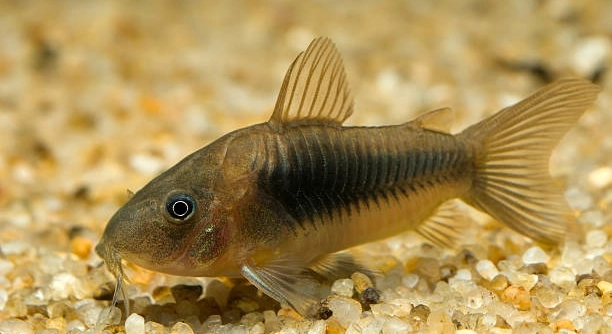
Corydoras catfish are hardy little creatures, but injuries can happen in any aquarium setting. When they do, it’s important to know how to support their recovery. Ensuring their health and well-being is key to getting them back on track.
To help your Corydoras recover from injury, it’s crucial to maintain a clean tank, offer proper nutrition, and monitor water conditions. Providing a stress-free environment with minimal disturbances will support the healing process and reduce the risk of further injury.
By making a few adjustments to their care routine, you can help your Corydoras heal quickly and thrive in their home again.
Clean and Safe Tank Environment
A clean, well-maintained tank is essential for helping your Corydoras recover from injury. Dirty water can lead to infections and further stress, slowing down the healing process. Regular water changes, as well as monitoring water parameters like temperature, pH, and ammonia levels, are key. The best practice is to clean the tank thoroughly but avoid stressing your fish with too many changes at once. Make sure any sharp objects or decorations that might cause further harm are removed, creating a safer environment for your fish.
A filter is also helpful for keeping water clean, but ensure it’s not too strong. Corydoras prefer slower-moving water, and a strong current might cause additional stress. Ensure the filter’s flow is gentle, and always check that it’s functioning correctly.
By maintaining a healthy, low-stress environment, you can create the best chance for your Corydoras to heal quickly. You’ll not only prevent further injury but also promote their overall well-being, ensuring a happy, thriving fish in the future.
Proper Nutrition for Recovery
A balanced diet will speed up your Corydoras recovery. High-quality fish food is crucial during this time.
Focus on foods rich in protein and vitamins, such as sinking pellets or frozen foods like bloodworms or brine shrimp. These will provide the nutrients necessary for tissue repair and help boost the fish’s immune system.
Maintain Stable Water Conditions
Consistency is key when it comes to water conditions. Changes in temperature, pH, or hardness can stress your Corydoras and delay recovery. Make sure to test the water regularly using a quality aquarium test kit. Keep the water temperature stable, ideally between 72-78°F (22-26°C), and maintain the right pH for your species. Avoid any sudden fluctuations in these levels.
Adding a water conditioner can help ensure safe and stable water. You’ll want to be cautious about overusing chemicals, but conditioners can remove harmful chlorine or chloramine. Keeping the water clear of pollutants is crucial for healing and preventing further injury.
If your Corydoras is in a tank with other fish, be mindful of aggressive behavior or bullying, as it can exacerbate stress and harm. Keeping the water safe and stable provides the best foundation for a quicker recovery.
Reduce Stress with Proper Tankmates
Tankmates can either support or hinder recovery. Corydoras are peaceful fish that thrive in community tanks with non-aggressive species. Avoid housing them with fin-nippers or overly territorial fish, as this can cause added stress or even injury. When selecting tankmates, opt for calm species that won’t bother your Corydoras.
In addition to proper tankmates, keep the tank environment peaceful by reducing sudden movements or loud noises around the aquarium. This helps your fish feel safe and less stressed. A quiet, calm environment gives your Corydoras the chance to focus on healing rather than being on high alert.
Isolate the Injured Fish
If your Corydoras has been injured, it’s often best to isolate it from the rest of the tank. This minimizes stress and the risk of further injury from tankmates. Use a quarantine tank with similar water conditions to provide a safe, stress-free space for healing.
A separate space also helps to closely monitor the fish’s behavior and make adjustments as needed. It’s easier to treat injuries in isolation and observe their recovery without interference from other fish. Make sure the quarantine tank is clean and doesn’t have sharp decorations or harmful elements.
Treat Injuries Immediately
Address injuries right away to prevent infection. If the wound is minor, a salt bath may help to disinfect and promote healing. For more serious injuries, applying an aquarium-safe antibiotic treatment is important. Ensure the medication is suitable for Corydoras.
Be gentle when handling the fish. Avoid excessive stress, as it can hinder recovery. If necessary, consult an aquarium specialist for guidance on proper treatments. The sooner you treat the injury, the better the chance your Corydoras has to recover fully.
Monitor for Signs of Infection
Keep a close eye on your Corydoras for signs of infection, such as swelling, redness, or white spots around the injury. If any of these occur, it’s important to act quickly. Infections can worsen quickly, and delaying treatment may complicate recovery.
FAQ
What should I do if my Corydoras is bleeding?
If your Corydoras is bleeding, it’s important to act quickly. First, isolate the injured fish in a quarantine tank with clean, stable water. You can treat the wound by adding aquarium salt to help disinfect it. For larger or more serious wounds, you may need to use an antibiotic treatment. Avoid handling the fish unless necessary, as this could cause additional stress and hinder recovery. Keep the water conditions optimal and make sure to monitor the injury closely for signs of infection.
How do I know if my Corydoras has a bacterial infection?
Bacterial infections in Corydoras may show symptoms like swelling, redness, white spots on the skin, or a slimy coating on the wound. You might also notice unusual swimming behavior or a decrease in appetite. If these symptoms appear, it’s essential to treat the infection as soon as possible with an aquarium-safe antibiotic. A quarantine tank will allow you to keep the fish isolated, reducing the chance of infecting other tankmates. Be sure to follow treatment guidelines carefully to prevent resistance.
Can I use salt to treat injuries on my Corydoras?
Yes, aquarium salt can be used to treat minor injuries on Corydoras. Salt helps by reducing the risk of infection and promoting healing. However, it’s important to use the right amount. Too much salt can stress the fish, so always follow the recommended dosage. If the injury is severe, salt might not be enough, and you may need to use an antibiotic treatment. Be sure to monitor your fish closely during the healing process to ensure it’s responding well.
Is it normal for Corydoras to be inactive after an injury?
Yes, it’s normal for Corydoras to be less active after an injury. Fish typically reduce their activity to focus on recovery and conserve energy. However, if the inactivity lasts too long or the fish seems to be deteriorating, it may be a sign of an infection or further complications. During this time, make sure your fish has a calm and clean environment to recover in. Don’t force them to move or interact with other fish if they seem stressed.
How long does it take for a Corydoras to recover from an injury?
The recovery time for a Corydoras depends on the severity of the injury and the steps taken to ensure a healthy recovery. Minor injuries might heal within a few days to a week, while more serious injuries may take longer. During recovery, keep the water clean, ensure the fish has proper nutrition, and maintain a low-stress environment. If the injury becomes infected, it might take longer to heal, so consistent monitoring is key to speeding up the recovery process.
Can I use any medication to treat my Corydoras’ injury?
It’s important to use medication specifically designed for aquarium use when treating Corydoras injuries. Medications like aquarium-safe antibiotics can help treat infections, but always read the instructions carefully. Some treatments are not safe for certain types of fish, so ensure the product is appropriate for Corydoras. If you’re unsure, consult a vet or an experienced aquarium professional for recommendations.
Should I remove plants or decorations from the tank during recovery?
Removing sharp or potentially harmful decorations from the tank is a good idea when your Corydoras is recovering from an injury. However, plants are usually fine as long as they don’t pose a risk to the fish. Keeping decorations to a minimum helps prevent further injury. Opt for soft, non-sharp materials to create a safe environment.
Can I return my Corydoras to the main tank after it recovers?
Once your Corydoras has healed and is no longer showing signs of stress or infection, it’s usually safe to return it to the main tank. However, make sure the water conditions are optimal, and the other fish aren’t aggressive. If the fish has recovered fully and is eating and swimming normally, reintroduce it slowly to avoid stressing it out. Keep an eye on the healing process to ensure the injury doesn’t flare up again.
How do I prevent future injuries to my Corydoras?
To prevent future injuries, make sure the tank environment is safe and peaceful. Remove any sharp objects or decorations that might harm your Corydoras. Ensure other tankmates are compatible and not overly aggressive. Regular water changes and maintaining stable water conditions can help reduce stress, which in turn prevents accidents. Lastly, keep a close eye on your fish to catch any potential issues before they become serious.
Final Thoughts
Corydoras catfish are resilient creatures, and with the right care, they can recover from injuries. While it’s important to act quickly when an injury occurs, it’s equally essential to ensure that your fish has a calm and stable environment to aid in its recovery. Monitoring water quality and maintaining stable conditions should be a priority to reduce stress. Stress can slow down healing, so providing a safe, quiet space for your Corydoras to recover is crucial.
The healing process requires patience and observation. Depending on the severity of the injury, recovery times can vary. Always check for signs of infection and make sure you’re providing the appropriate treatments, whether it’s a salt bath or an antibiotic. Properly isolating your Corydoras can help you track its progress closely. This will allow you to make necessary adjustments if the recovery isn’t progressing as expected.
In the end, prevention is just as important as treatment. By keeping your tank environment stress-free, avoiding aggressive tankmates, and maintaining clean water, you can reduce the likelihood of injuries occurring in the first place. It’s essential to be proactive about your fish’s health to keep it in the best condition possible. With a little care, your Corydoras can bounce back and continue thriving in your aquarium.

Hello,
If you enjoy the content that we create, please consider saying a "Thank You!" by leaving a tip.
Every little bit helps us continue crafting quality advice that supports the health, happiness, and well-being of pets around the world, for pets of all shapes, sizes, and species.
We really appreciate the kindness and support that you show us!