
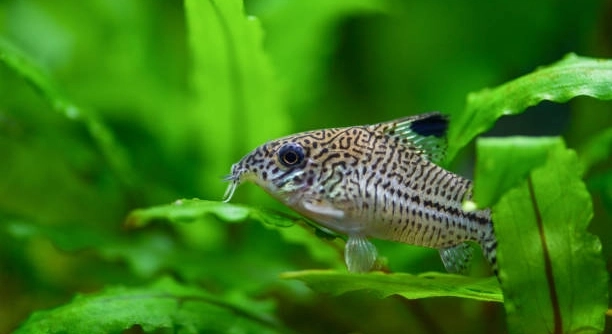
Are your Corydoras catfish active, healthy, and full of energy every time you check on them in the tank? Observing their behavior can offer valuable insights into their overall well-being and tank conditions.
Corydoras catfish display specific signs when they are thriving, including active swimming, healthy appetite, social interactions, vibrant coloration, and regular resting behavior. These indicators suggest the environment is suitable and supports their physical and social health.
Noticing these signs early on can help you maintain a stable and healthy aquarium that meets your Corydoras’ needs every day.
Sign #1: Active and Social Behavior
Healthy Corydoras are usually very active during the day and enjoy swimming around in groups. They often explore the tank together and rest occasionally on the substrate. If your Corydoras are constantly hiding or staying still for long periods, it could be a sign that something is off in the environment. Look for smooth, flowing movements and coordinated swimming among tank mates. These behaviors show that they feel secure and are well adjusted to their surroundings. Healthy Corydoras also engage in short bursts of energetic swimming, especially during feeding or after a water change.
They also enjoy digging lightly through the substrate with their snouts.
If your Corydoras are social and active, it’s a clear sign they are physically and mentally stimulated. A peaceful environment with hiding spots and consistent care helps maintain this behavior.
Sign #2: Clear Eyes and Vibrant Color
Corydoras with bright, clear eyes and strong coloration typically reflect good health.
A thriving Corydoras will show no signs of cloudiness in the eyes or dullness in the body. Instead, their natural patterns and colors appear clean, consistent, and slightly glossy in the right light. Changes in color can sometimes signal stress or illness. Brighter tones, especially in species with green or bronze hues, often mean that the fish feels comfortable and healthy in its environment. Cloudy eyes, on the other hand, might be caused by poor water quality, bacterial issues, or injury. Watching closely for consistent eye clarity and skin tone can help you detect early signs of distress. Make sure the tank conditions are suitable—stable temperature, low nitrates, and a proper diet can all play a role. With good care, their true colors stay sharp, and their eyes remain expressive and alert.
Sign #3: Healthy Appetite and Feeding Response
Corydoras that are thriving will eagerly swim to the bottom during feeding time. They respond quickly when food is introduced and begin searching the substrate without hesitation. Skipping meals or avoiding food may indicate stress or illness.
A strong feeding response means your Corydoras are both mentally alert and physically healthy. They typically eat sinking pellets, live food like bloodworms, and even blanched vegetables. When they’re thriving, they feed with purpose and clear coordination, often nudging through the gravel to find every bit. Overfeeding should still be avoided, as excess food can lead to poor water conditions. It’s helpful to observe their behavior for any sudden changes, especially in appetite. If they go from eager to disinterested, it’s worth checking water parameters and looking for signs of illness.
Staying consistent with feeding times and keeping the tank clean helps maintain a healthy appetite. Also, feeding in moderation prevents digestive issues.
Sign #4: Smooth Breathing and Gill Movement
Normal breathing in Corydoras should be subtle, with calm and even gill movement. Rapid gill movement or gasping at the surface often signals poor oxygenation or elevated toxin levels in the water.
Corydoras have a unique ability to gulp air from the surface, but this should not be constant. Occasional air gulping is normal, especially in species that naturally use this behavior to supplement oxygen. However, frequent trips to the surface or heavy gill movement can mean something is wrong. High ammonia, nitrites, or low oxygen levels are often responsible. Make sure your filter is running properly and there’s enough surface agitation to allow gas exchange. Also, regular water testing helps prevent sudden spikes. When gill movement stays smooth and breathing is light, your Corydoras are likely comfortable and not under stress. Watching for consistent, calm breathing is an easy way to track their health.
Sign #5: Clean Barbels and Intact Fins
Healthy Corydoras have smooth, unfrayed fins and clean, intact barbels. Damaged barbels often suggest rough substrate or poor water quality. Clean gravel or sand and regular tank maintenance help keep these features in good condition.
Barbels are essential for foraging, and any sign of erosion should be addressed quickly.
Sign #6: Resting Comfortably on the Substrate
Corydoras that feel secure will rest at the bottom of the tank without signs of distress. They may lie still for short periods, often near plants or décor. Resting in this way shows they are relaxed and not stressed by tank mates or water conditions.
Sign #7: Responsive to Tank Activity
Corydoras should show some reaction to movement near the tank. Quick, smooth swimming or group shifts when they notice shadows or changes around the tank show they are alert. A lack of response could mean they are unwell or overstressed.
FAQ
How often should I feed my Corydoras catfish?
Feed adult Corydoras once or twice a day with small portions they can finish in about 2–3 minutes. Overfeeding leads to poor water quality, so it’s better to feed less and observe their response. Include a mix of sinking pellets, frozen bloodworms, or brine shrimp. Rotate their diet weekly to give them a balance of protein and nutrients. If you have young or growing fish, you can feed them slightly more often, but always remove uneaten food after feeding. Keeping a regular feeding schedule helps with digestion and encourages consistent activity.
Why are my Corydoras hiding all the time?
Corydoras like hiding spots, but constant hiding can suggest stress or illness. Check for aggressive tank mates, poor lighting, or strong water flow, all of which can make them feel unsafe. Also, test water parameters—ammonia, nitrite, and nitrate issues can affect behavior. A peaceful tank setup with plenty of cover and stable conditions encourages more social interaction. If hiding behavior appears suddenly, try adjusting environmental conditions or watch for other health signs like fin damage or lack of appetite. When they feel safe, they will explore more freely and remain active.
What is the best substrate for Corydoras?
Fine sand or smooth gravel is best for Corydoras. Their barbels are sensitive and can get damaged by rough or sharp substrate. Sand allows them to dig naturally without injury. If you prefer gravel, choose rounded or polished varieties and avoid large or jagged pieces. Clean substrate regularly with a siphon to avoid waste buildup. Dirty substrate contributes to infections and barbel erosion. Corydoras spend much of their time near the tank floor, so the type and cleanliness of the substrate play a big role in their overall health and behavior.
Can Corydoras live alone?
Corydoras are social fish and should not live alone. A group of at least 5–6 of the same species is ideal. When kept in groups, they are more active, confident, and show their natural schooling behavior. A single Corydoras may become shy, inactive, and stressed. Group living provides comfort and reduces anxiety, especially in a community tank. If you have a smaller tank, choose one of the smaller species like pygmy Corydoras, but still keep them in a group. Their social nature makes companionship an important part of their well-being.
How can I tell if my Corydoras is sick?
Watch for signs like sluggish movement, clamped fins, rapid breathing, discoloration, white patches, or a loss of appetite. If you notice them floating oddly, gasping at the surface often, or separating from the group, something may be wrong. Test water quality first, since poor conditions are a common cause of illness. Quarantine any fish that show signs of disease to protect the others. Maintain clean water, offer a varied diet, and watch for changes in behavior or appearance. Quick action helps reduce the risk of spreading illness in the tank.
Do Corydoras need a heater in their tank?
Most Corydoras species prefer water temperatures between 72–78°F (22–25°C), so a heater is often needed unless your room stays within this range. Sudden temperature drops can cause stress or illness. Consistency is important, so use a reliable heater and thermometer. If your species prefers slightly cooler or warmer conditions, adjust accordingly, but always keep the temperature stable. Sudden changes can lead to shock, affecting appetite and immune health. Even though they can handle slight variations, sharp temperature swings should always be avoided. A stable environment helps them stay active and healthy.
Final Thoughts
Keeping Corydoras catfish healthy and happy starts with understanding their behavior and needs. These small bottom dwellers are peaceful, social, and active when they feel secure. Watching them swim in groups, explore the tank floor, and respond to your presence are all signs they are doing well. Their health is closely tied to the quality of their environment. Clean water, soft substrate, and a balanced diet go a long way in supporting their activity, growth, and overall comfort. When these basics are met, your Corydoras will show natural behaviors, maintain bright colors, and live long lives.
Small changes in their behavior can signal if something is wrong. Loss of appetite, unusual hiding, slow movements, or changes in appearance should not be ignored. It helps to observe them daily so you notice these changes early. Regular tank maintenance, water testing, and consistent feeding schedules reduce the chances of stress and illness. While Corydoras are hardy and easy to care for, their well-being depends on the effort you put into their care. Tank mates, lighting, and décor should all be chosen with their comfort in mind. Calm surroundings help them feel more at ease, encouraging more natural and active behavior.
Spending time watching your Corydoras also helps you learn more about what they like. Every tank is a little different, and your fish may develop unique habits. Some may rest more, while others are always on the move. As long as they are eating, swimming comfortably, and interacting with their group, these differences are often normal. Keeping them in a group is one of the most important things you can do for their mental health. Loneliness and isolation are common causes of stress in solitary Corydoras. A group of the same species allows them to express their natural behaviors more freely. With proper care, Corydoras will continue to thrive, becoming a calm and enjoyable part of your tank setup.

Hello,
If you enjoy the content that we create, please consider saying a "Thank You!" by leaving a tip.
Every little bit helps us continue crafting quality advice that supports the health, happiness, and well-being of pets around the world, for pets of all shapes, sizes, and species.
We really appreciate the kindness and support that you show us!