
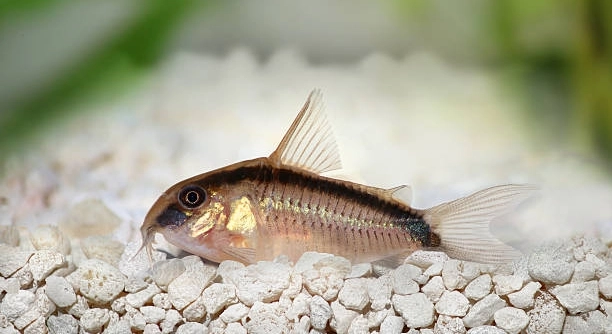
Is your Corydoras catfish hiding more than usual or showing signs of stress when other fish are nearby in the tank?
Corydoras catfish can be bullied by more dominant tankmates, leading to behavioral and physical changes. Common signs include hiding, missing barbels, rapid gill movement, torn fins, decreased activity, loss of appetite, and erratic swimming.
Spotting early signs of bullying can help improve your catfish’s well-being and prevent long-term stress or injury in a community tank.
Signs Your Corydoras Catfish Is Getting Bullied
Corydoras catfish are peaceful fish, but they can become targets in tanks with aggressive or overly active tankmates. If your Corydoras is constantly hiding, that’s often the first sign something is wrong. These fish are naturally social and active in groups, so changes in behavior should be taken seriously. Torn fins, damaged barbels, or rapid gill movement can indicate stress from repeated harassment. You might also notice them refusing food or swimming erratically to avoid certain areas. Over time, constant stress weakens their immune system, making them more prone to illness. Monitoring their body language and interactions with other fish is important for catching bullying early. Keeping them in groups of their own species helps reduce this behavior, but it’s also necessary to evaluate all tankmates. Corydoras do best in calm environments where they don’t feel threatened, so adjustments might be needed to create a safer, more balanced setup for them.
Barbel damage is one of the most visible signs. These sensitive feelers help them navigate and search for food along the substrate.
A bullied Corydoras may stop foraging and isolate itself from its group. Social withdrawal, reduced movement, and lack of appetite are all signs of long-term stress that shouldn’t be ignored.
Tank Setup and Behavior Triggers
Tankmates play a big role in how secure your Corydoras feel. Aggressive fish or hyper swimmers can overwhelm them.
Crowded tanks, harsh lighting, and limited hiding spaces often add to the stress. Corydoras are bottom dwellers, and they thrive in well-planted tanks with shaded areas and plenty of cover. Smooth substrate is important too, as rough gravel can damage their barbels further. Fish like tiger barbs, certain cichlids, or large territorial species often chase or nip at slower tankmates. These interactions can wear down a Corydoras over time, especially when they don’t have places to retreat. Monitor feeding behavior as well—bullied fish might not get enough food if more dominant ones eat it all. Rearranging the tank, adding more decorations, or rehoming aggressive tankmates may help. Ensure you’re keeping Corydoras in a group of at least six of their kind, as this strengthens their sense of security. Providing a calm, stable environment goes a long way in helping them feel safe and act naturally.
Preventing Bullying in Community Tanks
Group compatibility matters. Choose peaceful species that won’t compete aggressively for space or food. Avoid fast, nippy fish that chase or disturb bottom dwellers. Keeping tank mates calm reduces the risk of stress-related issues in your Corydoras.
Maintain a proper group size of at least six Corydoras. This helps them feel more secure and less likely to be singled out. Spread food across the tank to prevent competition during feeding times. Rearranging décor can also help reset territorial behavior in aggressive fish. If one fish continues to cause issues, consider rehoming it. Observe the tank during different times of day to catch any bullying you might not see during feeding or maintenance. Subtle changes in movement or positioning can reveal a pattern. Making these adjustments can lower stress and keep your tank balanced.
Keep the tank well-planted with plenty of hiding spots and cover. Live plants, caves, and driftwood give bullied fish places to escape and rest. A quiet, dim environment with a soft substrate helps reduce anxiety and physical damage. When fish feel secure, they behave more naturally and thrive. Focus on stability and space to promote a healthier dynamic among your tank’s community.
Monitoring Health and Stress Indicators
Watch for signs like cloudy eyes, torn fins, or missing barbels. These usually point to ongoing stress or injury. Sudden weight loss or refusal to eat may also appear when a Corydoras is not coping well in its environment.
Corydoras tend to mask symptoms until they’re more severe. That’s why consistent observation is important. Check for subtle signs like slower swimming, hovering in corners, or only moving at night. If a fish stays isolated or avoids areas where others gather, it may be stressed or avoiding a bully. You should also test water regularly, as poor conditions can add to stress and worsen existing issues. Ensure ammonia and nitrite levels stay at zero, and keep nitrates low. Clean the substrate often, especially when overfeeding leads to buildup. Stress weakens their immune system, so infections and parasites can become harder to manage. Acting early helps avoid long-term damage and promotes better recovery.
When to Separate Your Corydoras
If a Corydoras shows signs of injury or ongoing stress despite adjustments, it’s best to move it to a separate tank. Recovery is easier in a quiet space with clean water and no competition.
Use a hospital or quarantine tank with stable parameters, soft substrate, and hiding spots. This allows your fish to heal safely without added stress from tankmates.
How to Safely Reintroduce Them
Wait until the fish has healed fully and is eating well before attempting to reintroduce it. Rearranging the main tank décor before reintroducing can help reduce territorial aggression. Observe closely for any signs of renewed bullying. Introduce the fish during feeding time to reduce attention from other tankmates. Make sure the environment is peaceful, and keep a close eye on behavior for the first few days. If the same issues occur again, the fish may need a more suitable long-term setup. Choosing better tankmates or maintaining a species-only tank could be the safest option in some cases. Prioritize your fish’s health and comfort.
Final Checks and Tank Adjustments
Regularly monitor tank dynamics and behavior changes. Small tweaks like adjusting lighting or adding décor can make a big difference over time.
FAQ
What are the signs that my Corydoras catfish is being bullied?
Corydoras catfish show several signs when they are being bullied. These include hiding more than usual, missing barbels, torn fins, or abnormal swimming patterns. They may also avoid eating or stay in corners of the tank, clearly stressed. If you notice these changes, it’s likely they are being harassed by more dominant tankmates. A bullied Corydoras will often show signs of physical injury, such as missing scales or fin damage, along with erratic behavior.
Can Corydoras live with aggressive tankmates?
No, Corydoras are peaceful and best kept with non-aggressive fish. While they are generally hardy, they can become stressed when housed with aggressive or fast-moving species. Fish like cichlids, tiger barbs, and large, territorial species can cause harm to Corydoras, either through chasing or bullying. Keeping them with peaceful species like tetras, guppies, or other bottom-dwelling fish reduces the risk of stress and injury.
How can I prevent bullying in my Corydoras tank?
The best way to prevent bullying is to carefully choose tankmates. Ensure that the other fish are calm and won’t outcompete the Corydoras for food or space. Also, keeping Corydoras in groups of at least six reduces the likelihood of bullying, as they feel safer and less likely to be singled out. Offering plenty of hiding spots, such as caves, plants, and driftwood, will give your Corydoras places to escape if needed. Additionally, monitor feeding time to ensure that all fish get their fair share without competition.
How much space do Corydoras need in a tank?
Corydoras need enough space to feel comfortable and roam around. A minimum of a 20-gallon tank is recommended for a small group. For each additional fish, you should add 5-10 gallons to the tank’s volume. Adequate space ensures they are not overcrowded, which can lead to stress and bullying. More space also allows you to place more hiding spots, creating a safer environment for your Corydoras to thrive.
How do I know if my Corydoras is stressed?
Stressed Corydoras often exhibit behaviors such as hiding excessively, swimming erratically, or staying in one spot for long periods. If they appear to be avoiding food or swimming in an unusual pattern, it could indicate stress. Look for signs like rapid gill movement, which can signal breathing problems due to stress. Corydoras may also show visible signs of damage, such as torn fins, missing scales, or injured barbels. Monitoring these behaviors closely will help you address any stressors quickly.
Can Corydoras recover from bullying?
Yes, Corydoras can recover from bullying if given the right conditions. Moving them to a quiet, peaceful environment without aggressive tankmates helps them heal. Keeping them in a hospital tank with soft substrate, hiding spots, and clean water promotes recovery. Additionally, removing or rehoming the aggressive tankmates is crucial for ensuring the Corydoras do not face further stress. If the fish has physical injuries like torn fins or damaged barbels, give it time to heal before considering reintroducing it into the main tank.
Is it normal for Corydoras to swim alone?
Corydoras are social fish, and it’s not typical for them to swim alone for long periods. If you notice that a Corydoras is consistently swimming alone or isolating itself, this can be a sign of stress or bullying. These fish naturally prefer to school, so if your Corydoras is separated from the group, it could indicate they are being chased or bullied by other fish. If this behavior persists, assess the tank environment and consider reintroducing more Corydoras to make the group feel safer.
What tank setup is best for Corydoras?
Corydoras thrive in well-planted tanks with a soft, fine substrate such as sand. They are bottom dwellers, and a rough substrate can damage their delicate barbels. Adding plenty of hiding spots, like caves or driftwood, provides them with places to retreat when they feel threatened. The tank should have stable water parameters, with a pH between 6.0 and 7.5 and soft to moderately hard water. Good filtration is also important to maintain water quality, but avoid strong currents, as Corydoras prefer calm waters.
Can Corydoras eat with other fish in the tank?
Corydoras are bottom-feeding fish, so they generally don’t compete for food with surface swimmers. However, they can struggle to get enough food if faster or more dominant fish outcompete them. It’s important to scatter the food around the tank or use sinking pellets designed for bottom-feeding fish to ensure that the Corydoras get enough to eat. In a tank with multiple species, always ensure that the food distribution allows each fish to get its fair share.
How can I introduce a new Corydoras to the tank?
Introducing a new Corydoras requires patience and careful observation. Begin by acclimating the new fish to the tank’s water parameters slowly. Use a drip acclimation method to prevent sudden temperature or water changes. Once introduced, monitor the interactions between the new Corydoras and the existing tankmates. If there is bullying, consider rehoming any aggressive fish or adding more Corydoras to form a larger group. Reintroducing them during feeding times can also help distract aggressive fish.
What water temperature is best for Corydoras?
Corydoras do best in water temperatures between 72°F and 78°F (22°C and 26°C). This range ensures they stay active and healthy. Water that is too cold or too warm can stress the fish and make them more vulnerable to disease. Regular water changes and monitoring the tank’s temperature with a reliable heater will help keep conditions stable and prevent temperature-related stress.
How do I know if my Corydoras is unhealthy?
Signs of illness in Corydoras include faded coloration, erratic swimming, loss of appetite, and physical changes like swelling, sores, or visible lesions. Unhealthy Corydoras may also show signs of fungal or bacterial infections, such as white spots, mucus build-up, or cloudy eyes. If you suspect your fish is unwell, immediately check water quality and separate it from other fish if necessary. Consult a vet or fish expert for proper treatment options.
Final Thoughts
Understanding the behavior of your Corydoras catfish is key to ensuring their well-being in a community tank. If you notice signs of bullying, such as hiding, torn fins, or missing barbels, it’s important to act quickly. These fish are peaceful by nature and thrive in a calm environment. They do best in groups, so always make sure to house them with compatible tankmates. Aggressive fish can cause unnecessary stress, leading to long-term health issues for your Corydoras. Regular monitoring and early intervention can prevent further problems and help your catfish live a healthier life.
Creating an ideal environment for Corydoras is essential. They prefer a tank with soft, fine substrate and plenty of hiding spots like plants or caves. Providing ample space for your fish to swim freely and reducing territorial aggression will help keep them calm and prevent bullying. When choosing tankmates, ensure they are non-aggressive and won’t compete with your Corydoras for food or space. If bullying does occur, separating the bullied fish temporarily can offer a chance to heal and regain confidence. Always observe how the fish interact to make sure they are coexisting peacefully.
Corydoras are hardy, bottom-dwelling fish that can live alongside many species when cared for properly. Regular water changes and maintaining stable conditions are crucial for their health. Avoid overcrowding the tank and consider adding more Corydoras to form a larger group, which helps reduce the chances of bullying. It’s also important to monitor the water temperature and maintain a steady, moderate range. A well-maintained tank with the right balance of fish and care will result in a happy, healthy community where all species can thrive together.

Hello,
If you enjoy the content that we create, please consider saying a "Thank You!" by leaving a tip.
Every little bit helps us continue crafting quality advice that supports the health, happiness, and well-being of pets around the world, for pets of all shapes, sizes, and species.
We really appreciate the kindness and support that you show us!