
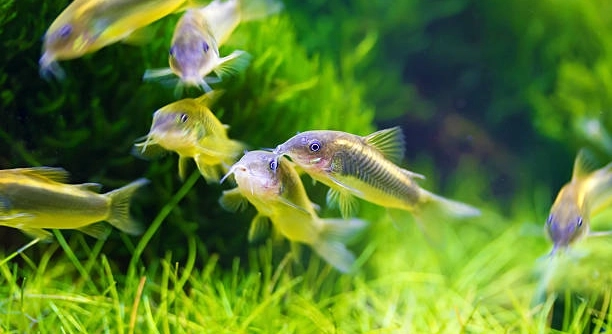
Are your Corydoras catfish spending most of their time hiding and avoiding interaction with other fish in the tank?
The most effective way to encourage Corydoras catfish to be more social is by replicating their natural environment and keeping them in appropriate group sizes. Social behavior in Corydoras is strongly influenced by tank setup and companionship.
There are several easy adjustments you can make to improve their environment and help them feel safe and active. Understanding these changes can lead to a more engaging and healthy aquarium experience.
Keep Them in Groups of Six or More
Corydoras catfish are peaceful schooling fish that do best when kept in groups. In the wild, they are rarely seen alone. Keeping at least six together helps reduce stress and brings out their natural social behaviors. When they are in a group, Corydoras tend to explore more, rest together, and even feed in sync. A small group gives them a sense of safety, which encourages them to interact more with each other and with their environment. Without this social structure, they often become shy and hide, which can lead to a less active tank and unhappy fish.
A group of six is the minimum, but larger groups can lead to even more interaction and confidence.
Choosing a few more Corydoras during your next visit to the pet store could make a big difference. When they feel safe and surrounded by their own kind, they often become more playful and visible during the day.
Add Hiding Spots and Shade
Tank décor is more important than many realize. Corydoras are naturally cautious and appreciate areas where they can rest or escape light. Driftwood, caves, and live plants create shaded spaces and give them places to retreat when needed. These hiding spots don’t make them disappear; instead, they give them the confidence to come out more often. When fish feel safe in their environment, they are more likely to engage with one another. Bright lights or open tanks without cover can make Corydoras feel exposed, which reduces their interest in exploring or being social. Keeping the tank layout varied with cozy corners, low plants, and dim lighting in some areas helps balance their need for comfort and stimulation. Even if your tank looks open and clean, a few extra shelters can bring out a big shift in how active and friendly your Corydoras appear.
Maintain a Soft, Sandy Substrate
Rough or sharp substrates can hurt your Corydoras and make them less likely to explore or interact with each other. A soft, sandy bottom mimics their natural habitat and encourages playful behavior.
When the substrate is too rough, Corydoras may injure their barbels, which are important for sensing food and navigating their surroundings. Damaged barbels can lead to infection or make them hesitant to forage and move around. Sand is gentle and allows them to sift through it comfortably. This small change makes a big difference in how confident they feel while interacting with their tankmates. A proper substrate helps support their natural instincts and makes them feel more secure. Over time, you’ll likely notice your Corydoras becoming more active and curious, which can lead to stronger social bonds within the group.
Switching from gravel to sand may seem like a minor upgrade, but it has a major impact on Corydoras behavior. They love to sift and dig, which becomes possible and safe with the right substrate. A soft base encourages them to forage together, making the group more social and interactive. It also lowers stress and prevents long-term health problems. Many owners see a big improvement in group behavior after making this switch.
Offer a Steady Feeding Routine
Corydoras feel more at ease when feeding happens at consistent times each day. Regular feeding helps them learn what to expect and encourages them to come out together during those periods. This habit builds routine and promotes group activity.
When feeding is unpredictable, Corydoras can become shy or overly cautious. Keeping a steady routine trains them to feel secure about when and where food is available. They will start to gather in groups as feeding time approaches, making them more social with both you and each other. Sinking pellets or wafers are ideal, especially if dropped in multiple areas of the tank. It prevents competition and allows each fish to eat calmly. Adding frozen or live foods a few times a week also stimulates natural foraging behavior and group interaction. Over time, a simple feeding routine encourages trust and creates a more active, social tank.
Keep the Water Clean and Stable
Corydoras are sensitive to poor water quality. Dirty or unstable water makes them stressed and less likely to interact with others. Regular water changes and proper filtration help create a calm environment where they feel safe to be active.
Test the water weekly for ammonia, nitrites, and nitrates. Keep the temperature steady between 72–78°F.
Avoid Aggressive Tankmates
Corydoras do best with peaceful fish. If they’re kept with aggressive species, they may hide more often and avoid social behavior. Choose tankmates like tetras, rasboras, or other calm bottom dwellers to create a peaceful environment.
Give Them Time to Adjust
When you bring Corydoras home or change something in their tank, give them time. They may be shy at first. A calm, stable setup helps them warm up and become more social as they settle in.
FAQ
How long does it take for Corydoras to become social after being added to a new tank?
It usually takes about one to two weeks for Corydoras to feel settled in a new tank. During this time, they may hide often or stay still at the bottom. This is normal. As long as the tank is calm, clean, and they’re with a proper group, they’ll start becoming more active. Keep lighting soft, limit loud movements near the tank, and avoid making big changes while they adjust. Once they feel safe, you’ll see them swimming in small groups, exploring, and feeding together with more confidence.
Can one Corydoras catfish live alone?
No, Corydoras are not meant to live alone. A single fish may become withdrawn and inactive. They are social fish by nature and rely on their group to feel secure. Keeping at least six in a group allows them to interact, rest together, and stay healthy. Without companions, they may refuse food, become easily scared, and hide most of the time. If your tank currently only has one, consider adding more of the same species to help it feel more comfortable and display natural behaviors.
Why do my Corydoras hide all day?
There are a few reasons this might happen. One common reason is that the tank is too bright or doesn’t have enough hiding places. Bright lighting can make Corydoras feel exposed. Another reason could be stress from being kept alone or in too small a group. Poor water conditions, loud noises, or aggressive tankmates can also make them feel unsafe. To fix this, check your water quality, add soft lighting and shaded areas, and make sure they’re kept with peaceful fish and in a group of six or more.
Do Corydoras recognize each other?
Corydoras don’t have strong individual recognition like mammals, but they do rely on being around their own species. They often stick close to others that look like them and tend to move as a group. If kept in a mixed tank, they usually bond best with others of the same type. Their social habits help them feel secure, and they’re more likely to interact with familiar patterns and behaviors. This is why it’s helpful to keep multiple Corydoras of the same species together.
How can I encourage my Corydoras to be more active during the day?
Corydoras are mostly active during the early morning and evening. If you want to see more daytime activity, keep lighting gentle and avoid overly bright setups. Include hiding spots so they feel safe enough to come out. Feed them at the same times each day, and offer a varied diet with occasional live or frozen food to make feeding more exciting. Also, make sure the tank isn’t overcrowded or stressful. When they feel secure, they’ll start to explore more throughout the day.
Do Corydoras play with each other?
Yes, in a way. Corydoras sometimes chase each other gently, swim in tight groups, or forage side by side. These activities aren’t rough or aggressive—they’re part of their normal behavior when they feel calm and happy. Watching them interact this way is a good sign that they’re feeling secure in their environment. If your fish aren’t showing these behaviors, it may mean they’re stressed or need more time to adjust.
Can I mix different Corydoras species together?
Yes, you can mix different Corydoras species, and they may even swim together. However, they usually form tighter schools with their own kind. If possible, try to have at least four to six of each species for better social behavior. Mixing species works best when they have similar size, temperament, and environmental needs. Just make sure your tank has enough space and hiding spots for everyone to feel comfortable. A well-balanced tank lets each group interact naturally without stress or overcrowding.
Final Thoughts
Corydoras catfish are peaceful, active fish that enjoy being part of a group. Helping them become more social doesn’t require anything complicated. Most of the changes are small adjustments that make a big difference in how they feel. Keeping them in groups of six or more is one of the most important things you can do. They are not meant to live alone. A proper group helps reduce stress and gives them confidence to swim, explore, and interact. This is a natural part of their behavior that only shows when they feel safe.
Creating a calm and supportive environment helps them stay active and healthy. A soft sandy substrate, hiding places, and low lighting help mimic their natural habitat. Clean water, peaceful tankmates, and regular feeding routines also support their comfort. These simple things make them feel more secure and more likely to come out and interact. When Corydoras feel comfortable, they are more social, and you’ll notice them swimming together and resting in groups. These behaviors are not forced—they’re signs that your fish are doing well in the space you’ve given them.
Every tank is a little different, and some Corydoras may take longer than others to feel at ease. If you don’t see much interaction right away, give them time. Be patient and consistent with your care. Avoid sudden changes, and keep an eye on how they respond to their environment. Over time, you’ll start to notice small changes—like more group swimming or active feeding—that show they are becoming more confident. Social Corydoras are not only more fun to watch, but they are also healthier and less stressed. Paying attention to their needs helps build a tank where they can thrive.

Hello,
If you enjoy the content that we create, please consider saying a "Thank You!" by leaving a tip.
Every little bit helps us continue crafting quality advice that supports the health, happiness, and well-being of pets around the world, for pets of all shapes, sizes, and species.
We really appreciate the kindness and support that you show us!