
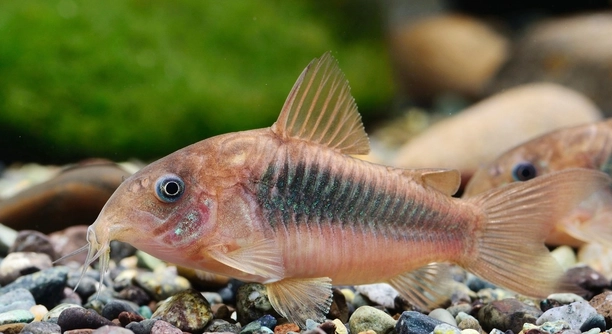
Corydoras catfish are known for their calm and social nature, but they can sometimes show reluctance when it comes to new tank additions. Understanding the reasons behind this behavior can help you create a more harmonious environment for your fish.
Several factors can contribute to your Corydoras catfish avoiding a new tank addition. These include territorial behavior, stress from sudden changes, and even environmental factors such as water quality and temperature. Understanding these aspects can help resolve the issue.
By recognizing the causes, you can improve the overall health and comfort of your Corydoras catfish, ensuring they thrive in their environment alongside new tank mates.
Stress from a Sudden Change in Environment
When introducing a new tank addition, Corydoras catfish may feel stressed. These fish are sensitive to changes in their environment, particularly sudden shifts in water quality, temperature, or even tank decor. Stress can cause them to hide or avoid new additions as they try to adjust.
For Corydoras, the sudden introduction of a new fish or element to their tank can trigger anxiety. Their instinct is to find shelter or a safe space. Keeping their environment stable and calm is essential to helping them feel secure.
Gradually adding new tankmates or adjusting the water parameters before introducing anything new can ease the transition for your Corydoras. It’s best to ensure the water temperature, pH levels, and other conditions match the needs of both the new and existing fish. A slow approach will help minimize stress and encourage better interactions among the tank residents.
Aggression from Tankmates
Sometimes, the issue lies in the behavior of other fish in the tank. Corydoras are peaceful but may avoid a new addition if they feel threatened by more aggressive fish.
Aggressive species might view the Corydoras as a target, making the catfish retreat or become more isolated. Even if the tank seems peaceful, it’s important to consider the dynamics of the group and avoid placing aggressive fish with more passive tankmates.
A peaceful balance is key. Ensuring your Corydoras are housed with compatible species can encourage them to interact more freely with new additions. Avoid putting them with overly territorial or aggressive fish to maintain a calm tank atmosphere. This way, your Corydoras can comfortably coexist with new additions, avoiding stress or discomfort.
Poor Water Quality
Corydoras are particularly sensitive to poor water quality. If the water is not properly maintained, they might avoid the new addition altogether. Keeping the water clean is crucial for their well-being.
Dirty water or imbalanced parameters can cause Corydoras to feel uncomfortable or even stressed. High levels of ammonia, nitrites, or nitrates can irritate their gills and skin, making them less willing to interact with new fish. Regular water changes and proper filtration can help maintain a healthy environment.
Ensuring the water quality is optimal for all fish in the tank will promote a peaceful environment. Testing the water regularly and adjusting filtration settings can help. The stability of the water conditions is essential to keep your Corydoras calm and social.
Incompatible Tankmates
Corydoras are peaceful fish that prefer calm environments. If the new addition is overly active or aggressive, it can cause the Corydoras to feel unsafe. Incompatible tankmates will make them avoid the new fish and retreat into hiding.
Choosing compatible tankmates is key. Corydoras work best with other peaceful species that won’t stress them. When adding a new fish, consider its behavior and temperament before making the change. This will allow the new addition to fit in with the existing group without causing disruption.
If you notice your Corydoras avoiding a new fish, try adjusting the tankmates. Peaceful community fish, like other catfish or small tetras, are ideal companions for Corydoras. Keeping the tank calm will make the transition smoother for all.
Lack of Hiding Spots
Corydoras need places to hide and feel secure. If there aren’t enough hiding spots in the tank, they may avoid interacting with new additions. These fish are naturally shy and prefer to stay in areas where they feel protected.
Providing plenty of hiding spots, such as plants, caves, or decorations, helps your Corydoras feel safe. If they don’t feel secure in their environment, they may retreat into hiding, even when a new addition is present. A well-decorated tank with hiding spots encourages more social behavior.
Inadequate Tank Size
A cramped tank can make Corydoras uncomfortable, especially when introducing a new fish. Overcrowding increases stress and competition for space, leading to avoidance.
Corydoras thrive in tanks that offer plenty of swimming space and room to establish territories. A larger tank with more space for movement will reduce stress and promote better social interactions. If your tank is too small, it might be causing the Corydoras to avoid new additions due to the lack of space.
Overfeeding
Overfeeding can affect water quality and cause stress for Corydoras. Uneaten food settles on the tank floor, leading to water imbalances. This can cause the fish to feel uneasy and avoid new additions.
Feeding your Corydoras appropriately and removing any excess food helps maintain water quality and reduces stress. Proper feeding habits ensure the environment remains balanced and conducive to healthy interactions with new tankmates. If overfeeding becomes a habit, it could create more issues in the long run, such as poor water quality and stressed fish.
FAQ
Why is my Corydoras catfish hiding after adding a new fish?
Corydoras are sensitive fish that thrive in stable, calm environments. When a new fish is added to the tank, the Corydoras may feel stressed due to changes in the environment, especially if the new fish is more active or aggressive. They may retreat to a hiding spot to seek safety until they feel comfortable again. Ensuring a peaceful tank setup with plenty of hiding places can help ease this transition.
What can I do to reduce stress for my Corydoras?
To reduce stress, ensure that the water quality is optimal with regular water changes and proper filtration. Additionally, adding decorations, plants, or caves for hiding spaces will make the Corydoras feel more secure. Avoid overcrowding the tank, as this can cause stress from limited space. A calm and peaceful environment will help your Corydoras adjust to new tankmates and reduce anxiety.
How do I know if my Corydoras are avoiding a new addition because of aggression?
If your Corydoras are avoiding the new fish and showing signs of stress, it could be due to aggression. Aggressive fish can intimidate or threaten the peaceful Corydoras, making them retreat. Watch for behaviors like chasing, nipping, or constant territorial displays from the new addition. It’s best to choose peaceful, non-aggressive fish to introduce into a Corydoras tank.
Can Corydoras live with other species?
Yes, Corydoras are peaceful and can live with a variety of other species, as long as the tankmates are not aggressive. They work well with smaller, non-territorial fish like tetras, guppies, and other peaceful catfish. It’s important to research potential tankmates to ensure compatibility before introducing them to the tank.
What temperature should the water be for Corydoras?
Corydoras catfish prefer water temperatures between 72°F and 78°F (22°C to 26°C). Sudden changes in temperature can stress them out, causing them to hide or avoid new additions. Ensure the tank maintains a stable temperature within this range to keep your Corydoras comfortable and prevent them from feeling stressed.
Do Corydoras need a specific tank setup?
While Corydoras are fairly adaptable, they do best in a tank with a soft substrate like sand, which is gentle on their sensitive barbels. They also appreciate a tank with hiding spots, plants, and peaceful tankmates. Providing a suitable environment will encourage your Corydoras to interact well with new tank additions.
Can water quality cause Corydoras to avoid a new tankmate?
Yes, poor water quality can make Corydoras feel stressed and unsafe, causing them to avoid new additions. Ensure the water has proper levels of pH, ammonia, nitrites, and nitrates. Keeping the water clean with regular maintenance helps keep your Corydoras healthy and social with new fish.
How can I tell if my Corydoras are stressed?
Stressed Corydoras may exhibit behaviors like hiding, rapid gill movement, loss of appetite, or excessive swimming in small circles. They may also become more lethargic or stop interacting with other fish. If these signs persist, check for environmental stressors such as poor water quality, incompatible tankmates, or sudden changes in their habitat.
What size tank do Corydoras need?
Corydoras need at least a 20-gallon tank, preferably larger, to thrive. A bigger tank provides more space for them to swim and helps keep the water quality stable. Overcrowding can cause stress, so ensure your tank is spacious enough for all the fish to coexist peacefully.
Can I add a new Corydoras to an existing tank?
Yes, you can add new Corydoras to an established tank, but it’s important to monitor how the existing Corydoras react. If the new additions are causing stress, it could be due to territorial behavior or overcrowding. Adding new fish gradually and ensuring the tank has enough space for everyone will help ease the transition.
How long does it take for Corydoras to adjust to a new tank addition?
The time it takes for Corydoras to adjust to a new tankmate can vary. It typically takes a few days to a couple of weeks, depending on the environment and how well the new addition is received. Gradually introducing fish and maintaining a calm, stable environment will encourage a quicker adjustment.
Do Corydoras eat plants or tank decorations?
Corydoras are bottom-dwelling fish that typically don’t eat plants or decorations. However, they might nibble on soft plants or algae if they are hungry. Most of their diet consists of sinking pellets, frozen foods, and small live foods. Keep the plants and decorations in the tank secure to avoid damage.
How do I know if my Corydoras are unhappy?
Signs of unhappiness in Corydoras can include hiding for extended periods, lack of appetite, or swimming erratically. They may also display a lack of interaction with other fish. If they are not eating or swimming normally, it’s a sign they are not comfortable, and you should check the water conditions and tankmates.
Final Thoughts
Understanding why your Corydoras catfish might be avoiding a new tank addition is crucial for ensuring their well-being. These fish are naturally shy and sensitive, and even small changes in their environment can cause stress. A new fish can create a shift in the tank dynamics, making Corydoras feel unsafe or threatened. It’s important to address potential stressors and create a peaceful environment where your Corydoras can feel secure. By ensuring proper water quality, tank size, and plenty of hiding spots, you can help your Corydoras adapt to new additions more easily.
One of the key factors in helping Corydoras feel comfortable with new tankmates is understanding their behavior. They tend to avoid tankmates that are aggressive or overly active, preferring peaceful and calm companions. It’s essential to choose compatible fish to reduce the risk of stress. Corydoras are also bottom-dwelling fish that enjoy having plenty of space to swim and explore. If the tank is overcrowded, or if there aren’t enough hiding places, they may retreat and avoid socializing with new fish. Ensuring there’s enough room for all your fish can help them coexist without tension.
Finally, patience is important when introducing new fish to your Corydoras’ tank. It can take time for them to adjust, especially if there have been changes to their environment. Watching for signs of stress and giving your Corydoras space to acclimate will go a long way in helping them feel safe. Consistent care, the right tank setup, and mindful attention to their needs will help ensure a smooth transition and a healthy, peaceful tank environment for all your fish.

Hello,
If you enjoy the content that we create, please consider saying a "Thank You!" by leaving a tip.
Every little bit helps us continue crafting quality advice that supports the health, happiness, and well-being of pets around the world, for pets of all shapes, sizes, and species.
We really appreciate the kindness and support that you show us!