
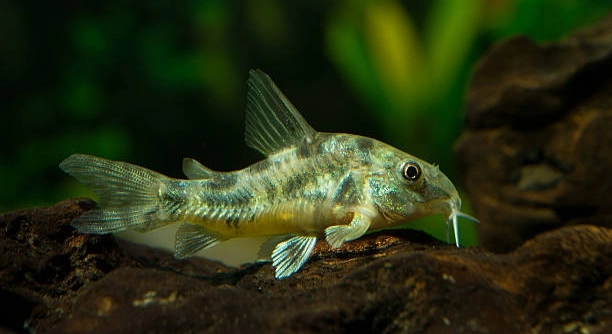
Corydoras catfish are popular aquarium fish known for their playful behavior. However, if you notice them staying in the corner of the tank, it can be concerning. Understanding the reasons behind this behavior is key to addressing the issue.
Corydoras catfish may stay in the corner due to stress, poor water quality, or environmental factors. Other reasons include improper tank mates, incorrect tank conditions, or health problems. Identifying the cause will help resolve the issue and restore your fish’s well-being.
There are multiple factors at play that can influence this behavior. Understanding the potential causes can help ensure your Corydoras catfish are happy and healthy in their home.
Stress and Anxiety
Corydoras catfish are sensitive creatures and can easily become stressed. Changes in their environment, such as loud noises, sudden movements, or even new tank mates, can cause anxiety. Stress can lead to them hiding in corners or becoming inactive. It’s important to monitor any potential changes in their surroundings that might be contributing to this behavior. When they feel threatened or unsafe, they may retreat to a corner to find solace.
Creating a calm, peaceful tank environment can help alleviate stress. Keep the area around the aquarium quiet and avoid fast movements around it. If new fish are introduced, be sure to give the Corydoras time to adjust. This allows them to feel more secure.
Ensure there are plenty of hiding spots in the tank, as Corydoras catfish often seek refuge when feeling overwhelmed. Plants, decorations, and rocks can provide safe zones for them. By reducing stressors, you give your fish the opportunity to feel comfortable in their environment.
Poor Water Quality
Water quality plays a significant role in the health of your Corydoras. Bad water conditions can stress them, causing them to hide in corners. Water parameters such as ammonia, nitrites, or low oxygen levels should be monitored regularly.
When water quality is poor, Corydoras will avoid swimming and may hide in a corner to escape the discomfort. They may also display lethargic behavior and become more vulnerable to illness. To improve the situation, perform regular water changes and use a good filtration system to maintain clean water. Test the water frequently to ensure it stays within the recommended range.
Regular water testing ensures your fish can thrive. With clean, well-maintained water, your Corydoras will feel more comfortable exploring the tank rather than staying in a corner.
Tank Mates
If your Corydoras are not getting along with other fish, they may retreat to a corner. Aggressive or overly active tank mates can make them feel unsafe. It’s important to carefully choose compatible species that won’t cause stress. Corydoras do best with peaceful fish that won’t chase or nip at them.
When adding new fish, observe their behavior closely. If any fish are aggressive toward the Corydoras, you may need to separate them. Corydoras are peaceful bottom dwellers and need a calm environment to thrive. When choosing tank mates, consider smaller, gentler fish that won’t dominate the space.
Also, overcrowding can be an issue. If your tank is too full, it can lead to stress and competition for space. Ensure that your aquarium provides enough room for everyone to coexist peacefully. This way, the Corydoras will have a better chance to feel comfortable and swim freely.
Tank Conditions
Corydoras are sensitive to water temperature, pH, and overall tank conditions. If any of these are out of balance, it can lead to them staying in a corner. They prefer a stable, warm environment with a pH between 6.0 and 7.5. Sudden fluctuations can cause them to retreat.
Maintaining the right temperature is essential. Corydoras do best in a range of 72°F to 78°F (22°C to 26°C). If the temperature is too high or low, it can stress them out. Ensure that your heater is working properly, and use a thermometer to keep an eye on the water’s temperature.
It’s also important to maintain water movement that’s not too strong. Corydoras prefer calmer waters, so a high-powered filter can cause them to feel overwhelmed. Adjust the flow rate in your tank to create a gentle, comfortable environment for them.
Illness or Injury
Corydoras catfish may hide in a corner if they are feeling unwell. Physical injuries, like cuts or scratches, or internal health issues, can make them retreat. It’s important to watch for signs of illness, such as unusual swimming patterns or changes in appearance.
If your Corydoras is injured or sick, isolating them in a hospital tank can provide a stress-free environment for recovery. Look for physical symptoms like bloating, discoloration, or abnormal behavior. Treating the illness early is important to prevent it from getting worse. If the fish seems lethargic or weak, it may be a sign that medical intervention is needed.
Make sure to quarantine new fish before adding them to your main tank to avoid spreading illness. Keeping an eye on your Corydoras’ health will help you address problems early.
Water Temperature
Incorrect water temperature is another factor that could cause your Corydoras to stay in a corner. These fish prefer a stable, warm environment. If the water is too cold, they may become inactive and seek shelter in the tank’s corner.
A water temperature range of 72°F to 78°F (22°C to 26°C) is ideal for Corydoras. Ensure that your heater is properly calibrated to maintain a steady temperature. If the water fluctuates too much, it can stress your fish. Use a thermometer to monitor the temperature regularly and make necessary adjustments to keep it within the ideal range.
Overfeeding
Overfeeding can lead to poor water quality, which, in turn, can make your Corydoras hide. Uneaten food can pollute the water and cause stress, leading the fish to retreat to a corner. Always remove excess food after feeding.
FAQ
Why does my Corydoras hide in the corner?
There are several reasons your Corydoras might be hiding in the corner. Stress, poor water quality, incompatible tank mates, and illness are some of the most common causes. Corydoras are sensitive fish that thrive in peaceful, stable environments. If any of these factors are not ideal, your fish may seek refuge in a corner to avoid discomfort. It’s important to monitor their environment and health closely to identify and fix the issue.
How can I reduce stress for my Corydoras?
To reduce stress, keep the tank environment calm and quiet. Avoid sudden changes in water parameters, and ensure there is no aggression from other fish. Add plants, decorations, and hiding spots to make them feel safe. When introducing new fish, do so gradually and give your Corydoras time to adjust to their presence.
What should I do if my Corydoras has been hiding for days?
If your Corydoras has been hiding for several days, check the water quality first. Poor water conditions can cause stress and illness. Also, observe the fish for any signs of injury or illness, such as abnormal swimming behavior or discoloration. If the problem persists, consider isolating the fish in a separate hospital tank for treatment.
Can tank mates affect my Corydoras’ behavior?
Yes, aggressive or overly active tank mates can cause stress for Corydoras, leading them to hide. These fish are peaceful and do best with gentle tank mates. If other fish are chasing or bullying them, your Corydoras may seek shelter in the corner to avoid confrontation. Choosing compatible fish is key to maintaining a peaceful aquarium environment.
How often should I change the water for my Corydoras tank?
Water changes should be done regularly to maintain a healthy environment. It’s generally recommended to change 20-30% of the water every week. Regular water changes help remove toxins and improve water quality, preventing stress and health issues for your Corydoras. Make sure to test the water for ammonia, nitrites, and pH levels to keep things balanced.
What temperature should my Corydoras tank be?
Corydoras prefer a stable water temperature between 72°F and 78°F (22°C to 26°C). Water that is too hot or too cold can cause stress and lethargy. If the temperature fluctuates too much, it can disrupt their comfort and cause them to hide. Ensure that your heater is functioning properly and use a thermometer to monitor the temperature regularly.
How can I tell if my Corydoras is sick?
If your Corydoras is sick, you may notice changes in behavior, such as lethargy, abnormal swimming patterns, or hiding more often than usual. Physical signs like bloating, faded colors, or lesions can also indicate illness. If you see any of these symptoms, it’s important to isolate the fish and treat the illness promptly. Always monitor the water quality to prevent further health issues.
Is it normal for Corydoras to be shy?
Yes, Corydoras can be naturally shy, especially in new environments. It may take some time for them to adjust and feel comfortable in your aquarium. However, if they consistently hide for long periods, it may be a sign of stress or poor water conditions. Giving them plenty of hiding spots and a stable environment will help them feel more secure.
Can I keep Corydoras with other species?
Yes, Corydoras can live peacefully with other species, as long as the tank mates are non-aggressive and share similar water requirements. Avoid keeping them with fin-nippers or overly active fish. Good tank mates include small, peaceful species like tetras, guppies, and mollies. Always research the compatibility of new fish before adding them to your tank.
How do I know if my Corydoras is stressed?
Stress in Corydoras can be indicated by hiding, lethargy, or erratic swimming patterns. They may also stop eating or show signs of aggression toward other fish. To reduce stress, ensure that the water quality is optimal and that the fish aren’t being harassed by tank mates. Also, avoid sudden changes in their environment.
Final Thoughts
If your Corydoras catfish are staying in the corner of the tank, it’s essential to identify the cause to help them feel more comfortable. Corydoras are peaceful, sensitive fish that thrive in stable, clean environments. Whether it’s poor water quality, stress from aggressive tank mates, or an underlying health issue, addressing these factors will improve your fish’s well-being. By monitoring your tank’s conditions regularly, you can create a peaceful space where your Corydoras can swim freely and explore without fear.
Taking the time to properly care for your tank can go a long way in preventing behavior like corner hiding. Regular water changes, maintaining the right temperature, and providing plenty of hiding spots can make a huge difference in how your fish behave. It’s also important to avoid overcrowding the tank and ensure that the fish you add are compatible with your Corydoras. Having a calm and stress-free environment will encourage your Corydoras to be more active and interact with the rest of the tank.
In conclusion, the key to helping your Corydoras feel comfortable is patience and observation. By understanding their needs and adjusting the tank environment accordingly, you can reduce stress and improve their overall health. Corydoras catfish are wonderful additions to an aquarium when properly cared for. With the right environment, your Corydoras will return to their playful, social nature, and you’ll enjoy watching them thrive. Keep an eye on their behavior and water conditions, and your Corydoras will likely be back to swimming freely, no longer hiding in the corner.

Hello,
If you enjoy the content that we create, please consider saying a "Thank You!" by leaving a tip.
Every little bit helps us continue crafting quality advice that supports the health, happiness, and well-being of pets around the world, for pets of all shapes, sizes, and species.
We really appreciate the kindness and support that you show us!