
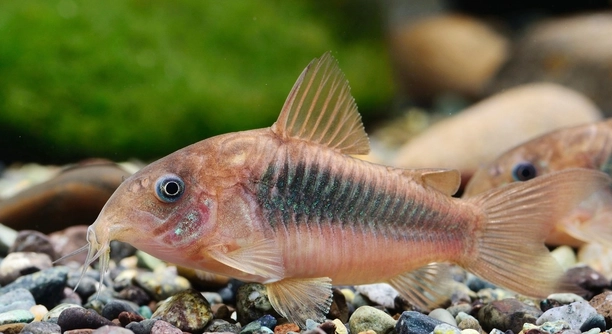
Many Corydoras catfish owners notice their fish swimming near the surface of the tank. This behavior can be concerning, but it is often due to natural instincts or certain conditions in the tank. Understanding these causes is important for their well-being.
Corydoras catfish may swim near the surface due to factors like low oxygen levels, poor water quality, or health issues. Stress, overcrowding, and improper tank conditions can also trigger this behavior, signaling the need for attention to the environment.
Proper care and adjustments to tank conditions can resolve this behavior and improve your Corydoras’ health. Keep reading to discover the most common causes and solutions for this issue.
Low Oxygen Levels
Corydoras catfish are bottom-dwellers, but they still need sufficient oxygen to thrive. When oxygen levels in the tank drop, these fish may swim near the surface where oxygen is more abundant. This behavior is often seen in tanks with poor water circulation or inadequate filtration. As the oxygen near the substrate becomes depleted, your fish will instinctively seek better air higher up in the water column. It’s essential to check your filtration system and water movement regularly to ensure proper oxygenation.
To improve oxygen levels, consider adding an air stone or upgrading your filter. Ensure the tank has adequate water movement, but not too much that it stresses the fish. Regular water changes can also help keep oxygen levels stable.
Increasing water flow can often solve this problem. Providing a well-aerated environment promotes healthy fish behavior and can reduce the chances of surface swimming. If you notice this behavior, take immediate action to restore oxygen levels in the tank.
Poor Water Quality
Dirty water in the tank can cause a variety of problems for Corydoras catfish, and surface swimming is one sign of distress. When water quality is poor, fish may have trouble breathing and search for cleaner areas near the surface. High levels of ammonia, nitrites, or nitrates can contribute to this. A buildup of waste, food debris, or dead plants can also degrade the quality of the water. Consistently high levels of toxins can stress your catfish, leading to abnormal swimming patterns.
Regular tank maintenance is key to preventing poor water quality. Testing the water frequently for ammonia and nitrites can help catch issues early. It’s important to change the water regularly, keeping the tank’s ecosystem balanced. Remove any uneaten food promptly, and clean the substrate to remove debris.
Incorporating a reliable filtration system can make a significant difference in maintaining water quality. High-quality filters remove harmful substances and keep the water clean. Additionally, adding live plants can naturally help filter the water and provide a healthier environment for your Corydoras catfish. By staying on top of tank cleanliness, you can prevent the stress that causes surface swimming and ensure a happy, healthy environment for your fish.
Stress and Anxiety
When Corydoras catfish are stressed, they may swim near the surface in search of calmer conditions. Stress can be caused by sudden changes in the tank, like new tankmates, overcrowding, or loud noises. Fish feel vulnerable when stressed and may act out of the ordinary.
To minimize stress, ensure the tank is a peaceful and stable environment. Avoid sudden changes in water temperature or lighting, and be careful when introducing new fish. Keep the tank’s environment consistent to help your Corydoras feel safe and secure. The calmer the environment, the less likely your fish will swim near the surface.
Another way to reduce stress is by ensuring that the fish have enough hiding spots. Corydoras like to feel protected, so adding plants or caves where they can hide is essential. Additionally, keeping the tank’s inhabitants to a reasonable number will also help reduce stress. If your fish are stressed, their swimming patterns should improve once the tank environment is stabilized.
Overcrowding
Overcrowding can have serious effects on Corydoras catfish. When too many fish share the same space, the water quality can degrade quickly, leading to oxygen depletion and increased stress. As a result, your Corydoras may swim near the surface to find relief from the overcrowded conditions.
It’s important to avoid overstocking the tank. Make sure to research how many fish the tank can support based on its size. Crowding not only stresses out the fish, but it can also increase the chance of disease spreading in the confined space. If your tank is crowded, reducing the number of fish will make a noticeable difference in your Corydoras’ behavior.
Consider using a larger tank or setting up additional tanks for different species. This will give your Corydoras the space they need to swim comfortably. A well-spaced and well-maintained tank will also reduce the chances of surface swimming, improving their overall health.
Temperature Fluctuations
Corydoras catfish are sensitive to temperature changes. If the water in the tank fluctuates too much, your fish may swim near the surface to escape the discomfort. A stable temperature is essential for their health and behavior.
Use a reliable aquarium heater to maintain a consistent temperature. Test the water frequently to ensure it’s within the ideal range for Corydoras, usually between 72-78°F (22-26°C). If you notice your fish swimming at the surface, check for temperature imbalances.
Illness or Injury
Fish may swim near the surface if they are unwell or injured. This behavior can be a sign of discomfort or difficulty breathing. Infections, parasites, or physical wounds can cause this.
Check your fish for any signs of illness, such as changes in color, unusual markings, or lack of appetite. If your Corydoras is acting strangely or swimming near the surface for extended periods, a visit to a vet or quarantine might be necessary to treat the issue.
Water Chemistry Imbalance
Water chemistry plays a big role in the health of your Corydoras catfish. Improper pH, hardness, or salinity can stress them out, leading to abnormal behaviors like swimming near the surface. Regular testing can help you keep these levels in check.
Make sure to monitor the water’s pH levels regularly and adjust them as needed. Corydoras thrive in slightly acidic to neutral water. Using proper water conditioners can also help prevent fluctuations that may cause distress in your fish. Adjusting water chemistry for the health of your fish ensures they stay comfortable and less likely to display abnormal behavior.
FAQ
Why do Corydoras catfish swim near the surface at night?
Corydoras catfish are nocturnal creatures, which means they are more active during the night. If your catfish is swimming near the surface during the evening hours, it’s likely just following its natural behavior. They tend to explore different levels of the tank, even at night, but if the fish consistently stay near the surface, it could indicate poor water quality or low oxygen levels.
How can I tell if my Corydoras is stressed?
Stress in Corydoras can manifest in several ways. Besides swimming near the surface, other signs include erratic swimming, hiding more than usual, refusal to eat, or unusual behavior towards other tankmates. If you notice these symptoms, check the water quality, tank conditions, and tankmates. Stress could also be caused by sudden changes in lighting or environment.
Is it normal for Corydoras catfish to breathe at the surface?
Corydoras catfish typically breathe oxygen through their gills, but they also have the ability to gulp air at the surface. While this is normal behavior, excessive surface breathing may be a sign of low oxygen levels or poor water quality. If this becomes a frequent issue, consider improving tank aeration or water circulation.
Can Corydoras catfish live with other fish?
Corydoras are peaceful and social fish that generally do well with other species in a community tank. They are bottom dwellers and tend to stay out of the way of more active tankmates. However, they should be kept with non-aggressive fish that won’t harass them. Avoid large fish that might pose a threat.
What should I do if my Corydoras catfish keeps swimming at the surface?
If your Corydoras keeps swimming near the surface, first check the water quality. Poor water conditions like high levels of ammonia, nitrates, or low oxygen levels can cause this behavior. Ensure the tank has proper filtration and oxygenation. If the water quality is good, check for signs of stress or illness.
How do I prevent overcrowding in my Corydoras tank?
Overcrowding can stress your Corydoras catfish, so it’s essential to provide enough space for each fish. Make sure to follow the general rule of one inch of fish per gallon of water. Regularly assess your tank to ensure it doesn’t become overstocked, and avoid adding too many fish at once.
What’s the ideal tank temperature for Corydoras catfish?
Corydoras catfish prefer a water temperature range between 72-78°F (22-26°C). Temperature fluctuations outside of this range can cause stress, leading to surface swimming or other abnormal behaviors. A reliable aquarium heater can help maintain a consistent and comfortable temperature for your fish.
How often should I feed my Corydoras catfish?
Corydoras are bottom-feeding fish and usually find food on their own. It’s best to feed them once or twice a day with a variety of sinking pellets or live food. Overfeeding can lead to water quality issues, so remove any uneaten food promptly to prevent it from decaying in the tank.
Can Corydoras survive in cold water tanks?
Corydoras catfish are not suited for cold water tanks, as they thrive in temperatures between 72-78°F (22-26°C). If kept in water that is too cold, they may become sluggish, stressed, or even prone to illness. It’s crucial to provide a temperature-controlled environment for their health and well-being.
Why is my Corydoras hiding all the time?
Hiding behavior in Corydoras can be a sign of stress, illness, or injury. If your fish is hiding more than usual, check the water quality, tankmates, and environment. Corydoras are naturally shy, but excessive hiding might indicate something is wrong. Make sure the tank has enough hiding spots where they feel safe.
How do I improve oxygen levels in my Corydoras tank?
Improving oxygen levels is essential if your Corydoras are swimming near the surface. You can do this by adding an air stone, upgrading your filter, or increasing water circulation. Regular water changes and making sure the filter is working effectively can also help maintain higher oxygen levels.
What is the best substrate for Corydoras catfish?
Corydoras catfish prefer soft, fine-gravel or sand substrate, as they like to sift through it for food. Avoid sharp or large gravel that could damage their delicate barbels. A soft substrate helps them feel secure and encourages natural foraging behavior. Sand is often the best choice for these fish.
How long can Corydoras catfish live?
Corydoras catfish typically live between 5 to 10 years with proper care. Good water quality, a balanced diet, and a stable tank environment can contribute to their long lifespan. Regular tank maintenance and attention to their health can help ensure that your Corydoras live a full, healthy life.
Can I keep different species of Corydoras together?
Yes, different species of Corydoras can usually be kept together. They are social fish that thrive in groups, and mixing species can offer variety and interest. However, make sure all the species have similar water and temperature requirements to ensure they remain healthy.
When observing your Corydoras catfish swimming near the surface, it’s important to consider several factors that could be influencing their behavior. Low oxygen levels, poor water quality, stress, and temperature fluctuations are among the most common causes. These catfish are naturally bottom-dwellers, but when they are uncomfortable, they may swim to the surface in search of better conditions. Understanding the root cause of this behavior is crucial in providing the right care for your fish and ensuring they thrive in their environment.
Maintaining proper tank conditions is key to keeping your Corydoras healthy. Regular water changes, monitoring water quality, and ensuring good oxygen levels through proper filtration and aeration are some of the first steps you should take if your fish are swimming near the surface. You should also check for overcrowding, as too many fish in the tank can stress your Corydoras and cause them to act out of character. Keeping the tank stable and making sure the fish have enough space to move comfortably can help minimize stress and prevent surface swimming.
Lastly, it’s always important to be attentive to your fish’s behavior and make necessary adjustments to their environment. If you notice persistent surface swimming, check for potential signs of illness or injury. Corydoras catfish are generally hardy, but they still require proper care to live a long, healthy life. By addressing factors like water quality, temperature, tank size, and stress, you can help ensure that your Corydoras stay healthy and content, reducing the likelihood of surface swimming and improving their overall well-being.

Hello,
If you enjoy the content that we create, please consider saying a "Thank You!" by leaving a tip.
Every little bit helps us continue crafting quality advice that supports the health, happiness, and well-being of pets around the world, for pets of all shapes, sizes, and species.
We really appreciate the kindness and support that you show us!