
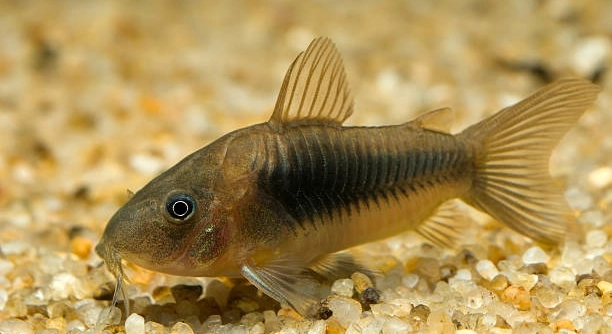
Are your Corydoras catfish always tucked away in the same hiding spot, no matter how many other places you provide for them?
Corydoras catfish tend to favor specific hiding spots due to environmental comfort, territorial instincts, social behavior, and perceived safety. These preferences can also be influenced by tank setup, water conditions, and interactions with other tankmates.
Learning why these behaviors occur can help improve your aquarium setup and create a more comfortable, stress-free environment for your catfish.
They Feel Safe in Certain Areas
Corydoras catfish often prefer hiding spots where they feel most protected. These small, peaceful fish are naturally shy and rely on cover to avoid perceived threats. Whether it’s a cave, plant cluster, or decoration, they will return to the area that gives them the most security. If a particular spot offers shade, limited visibility to the rest of the tank, and reduced activity from other fish, your Corydoras will likely favor it. These zones allow them to rest without stress and minimize the chance of confrontation. Additionally, low lighting or darker substrate in these areas may enhance the sense of protection. In community tanks, they often retreat to hidden places to avoid more active or aggressive fish. If one spot consistently meets these conditions, it becomes their go-to hiding place. Creating multiple safe spaces helps reduce competition and encourages natural behavior across all tank inhabitants.
It’s common for them to stick to the same spot once they feel it’s safe. This becomes part of their daily routine and comfort.
When your Corydoras repeatedly choose one spot over others, it’s a strong sign that it meets several comfort needs. These fish are excellent at identifying spaces where they are less likely to be disturbed or threatened. It’s not about laziness or boredom—it’s about survival instincts. While they are adaptable, they remember which hiding place kept them calm and protected. By replicating the preferred qualities of that spot in other areas of the tank, you can help encourage more balanced movement and activity. Always observe whether their preferred space offers shelter from direct currents, light, or territorial tankmates. This knowledge makes it easier to adjust the environment to suit all fish in the tank, not just the dominant few. If multiple Corydoras begin to compete for a single spot, it might be time to rearrange the tank layout to create more similar safe zones.
Hiding Spots Match Their Social Behavior
Corydoras are social fish that like to stay in groups. Sometimes, a hiding spot becomes popular simply because others are already using it.
They often mimic the behavior of their group. When one or two fish identify a secure hiding place, the rest tend to follow. This can create a pattern where the entire group appears to favor a specific corner or structure in the tank. The location doesn’t always have to be the most hidden or shaded; it just needs to offer enough space and comfort for several fish to gather. These catfish also use close contact as part of their group bonding. So, when one fish rests, others might come and stay nearby to feel more secure. If you only have one or two good hiding areas, this can limit options and cause minor stress among the group. Adding more similarly structured hideouts encourages healthier social behavior and reduces overcrowding in a single spot.
The Spot Has the Right Water Flow
Corydoras prefer calm areas with gentle water movement. If one hiding spot is away from strong currents, they’ll naturally choose it over others. Strong flow can make it harder for them to rest and feel secure.
Water flow plays a bigger role than it might seem. Corydoras usually stay near the bottom, where flow can vary depending on filter placement and decorations. If one part of the tank is calmer, it offers a peaceful place to rest and recharge. Strong current can stress them out, especially if they have to swim constantly to stay in place. It also affects how easy it is for them to breathe and navigate. If your fish consistently return to one corner, it may be the only area where they aren’t struggling with water movement. Placing plants or décor to reduce current in other areas can help balance their use of space.
You may notice that even slight shifts in flow will change their behavior. For example, if you clean the filter or move a decoration, they might start hiding elsewhere. This sensitivity makes it important to monitor flow closely when setting up the tank. Aim for areas that let water circulate enough to stay clean, but not so forcefully that your Corydoras avoid it. If multiple fish crowd into the one calm corner, it’s a clear signal that other parts of the tank are too active. Baffle the outflow or use plants to break up current, then watch how they react. Once they have more balanced flow throughout the tank, they’ll feel safer exploring beyond their usual spot.
Lighting Conditions Are More Comfortable
Corydoras tend to avoid bright lighting. If one hiding spot is shaded or naturally dim, they’ll pick it over places that are more exposed.
Bright lighting can make Corydoras feel stressed or exposed, especially if there are few hiding options. These fish are most active in low-light conditions and prefer dim areas for resting. A hiding spot behind a rock or under a plant canopy gives them that comfort. If the rest of the tank is brightly lit, they will return to the one shaded spot again and again. This preference can become stronger over time, especially if your lighting schedule doesn’t match their activity patterns. Consider using floating plants or decorations that cast shadows across the tank. Reducing light intensity or adding shade can help balance things. More shaded areas encourage movement and make your fish feel secure enough to explore different parts of the tank.
The Substrate Feels Better to Them
Corydoras spend a lot of time on the tank floor, so the texture of the substrate matters. If one area feels smoother or more natural, they’ll choose it to rest or dig around in comfortably.
Rough or sharp substrates can irritate their sensitive undersides and barbels. Softer sand or rounded gravel is usually preferred. If only one section of the tank has a smoother base, that’s where they’ll stay. You might not notice the difference, but your fish definitely do.
They Had a Stressful Experience Elsewhere
Sometimes a Corydoras chooses one hiding spot because something scared them in another. A quick movement, aggressive fish, or sudden noise can make them avoid that area for a while. They often stick with the safest-feeling spot once they’ve been startled.
Corydoras remember where they felt stressed. Even if a threat is no longer present, the association lingers. They may completely stop using a hiding area if something made them feel unsafe there. This behavior is common when they share a tank with more active or dominant species. Once they identify a safe corner, it becomes their routine shelter. Keep an eye on interactions between fish, and note if any species are chasing or bothering them. Reducing tank stress often comes down to creating more balanced zones where your Corydoras can rest without being disturbed. If needed, rearrange décor to block line-of-sight or add more hiding options that feel just as safe.
The Spot Is Naturally Warmer
Corydoras sometimes prefer hiding in areas with slightly warmer temperatures. These spots may be closer to heaters or in corners where heat collects. A small difference in warmth can make a hiding place more appealing for rest.
FAQ
Why do my Corydoras catfish hide so much?
Corydoras catfish are naturally shy and prefer to stay hidden, especially in community tanks. They instinctively seek shelter to avoid predators and feel safe. Hiding is part of their natural behavior to reduce stress and feel secure in their environment. In aquariums, providing them with plenty of hiding spots, such as caves or plants, can help them feel more comfortable and less stressed. If they feel exposed or threatened, they will often retreat to these spots. It’s important to observe their behavior and ensure they have enough shelter options.
Can Corydoras be active during the day?
Yes, Corydoras are primarily active during the day, especially if they feel secure in their environment. They tend to search for food and explore the substrate in daylight. However, their activity levels can vary depending on tank conditions. If they are frequently hiding, it could be a sign that they feel stressed or unsafe. Ensuring proper tank conditions, such as low light and hiding spaces, can encourage them to be more active during daylight hours. When comfortable, Corydoras can be quite lively, swimming around and interacting with each other.
Why do my Corydoras catfish only hide in one spot?
Corydoras catfish are creatures of habit and will often gravitate toward one hiding spot if it feels safe. The chosen spot could have a combination of factors that make it more comfortable, such as minimal light, limited water flow, and protection from other tankmates. Over time, they may associate that location with safety, which leads them to prefer it. If the spot is consistently calm and free from disturbances, it becomes their go-to hiding place. To encourage them to explore other areas, consider adjusting the tank setup to provide other equally secure locations.
Should I worry if my Corydoras are hiding all the time?
While Corydoras are known to hide frequently, constant hiding could indicate that they are stressed. Common stress factors include aggressive tankmates, poor water quality, high water flow, or inadequate hiding spaces. It’s important to assess the tank conditions to ensure they are optimal. Regular water changes, proper filtration, and appropriate tankmates can reduce stress. If your Corydoras continue hiding despite improvements in the tank environment, it’s also worth checking for signs of illness, as some health issues can cause lethargy and hiding behavior.
How can I make my Corydoras feel more comfortable?
To help your Corydoras feel more at ease, you should focus on creating an environment that mirrors their natural habitat. They thrive in well-planted tanks with soft, sandy substrates, which they use to forage. Reducing water flow by adjusting the filter or using baffles can help them feel more secure. Additionally, low light levels and plenty of hiding spots such as caves or rocks can make a big difference. You should also keep an eye on tankmates to ensure no fish are harassing your Corydoras. A calm and peaceful environment will help them feel comfortable enough to explore.
Do Corydoras prefer groups or can they be kept alone?
Corydoras are social fish and thrive in groups. It’s highly recommended to keep them in small schools of at least three to six fish. In a group, Corydoras feel safer and more confident, which encourages natural behavior such as foraging and swimming together. A solitary Corydoras may become stressed and withdrawn. If you notice your Corydoras constantly hiding alone, it could be a sign that they need more companionship. Adding more of their kind can help reduce stress and improve their overall well-being.
How do I know if my Corydoras are stressed?
Stressed Corydoras may exhibit behaviors such as excessive hiding, erratic swimming, or rubbing their bodies against objects in the tank. They may also refuse to eat or show signs of lethargy. Stress can be caused by several factors, including poor water quality, aggressive tankmates, or an improper tank setup. If you notice these signs, it’s essential to check your tank’s water parameters, such as temperature, pH, and ammonia levels. Reducing disturbances and providing more hiding spaces can help alleviate stress. In some cases, stress may also lead to health issues, so it’s important to monitor their behavior closely.
Can Corydoras survive in a tank with other fish?
Yes, Corydoras are peaceful and generally get along with most other fish. They are non-aggressive and prefer to stay near the bottom of the tank, often avoiding conflicts. However, it’s important to choose compatible tankmates that are not overly aggressive. Fish that occupy the top or middle of the tank are less likely to disturb them. Corydoras do well in community tanks as long as their environment is calm and peaceful. Avoid keeping them with fin-nippers or overly active species that might stress them out.
How do I set up the best environment for Corydoras catfish?
To set up an ideal environment for Corydoras, start with a well-maintained tank with soft, sandy substrate, as this mimics their natural habitat. Provide plenty of hiding spots using plants, rocks, and caves. Keep water quality high with regular water changes and appropriate filtration. Corydoras prefer calm water, so avoid strong currents or place decorations that help reduce flow. The temperature should be between 72-78°F, and the pH should be slightly acidic to neutral. By focusing on these factors, you can create a stress-free environment that encourages natural behavior.
Final Thoughts
Corydoras catfish are known for their calm and gentle nature, but their preference for certain hiding spots can sometimes leave us wondering why they behave this way. Understanding their instincts and needs can help create a more comfortable environment for them in your tank. By paying attention to their behavior and the setup of your aquarium, you can ensure that your Corydoras feel safe and relaxed. Hiding is a natural behavior that is often linked to their need for protection and security, so providing enough hiding places is key to their well-being.
The factors that influence their choice of hiding spots are often tied to comfort, safety, and their sensitivity to the tank’s conditions. Corydoras are not only concerned with physical protection but also with factors like substrate texture, water temperature, and potential threats from other fish. For example, rough or sharp substrate may cause discomfort, while areas near heaters may feel warmer, making those spots more attractive. By offering varied hiding spots and ensuring the water conditions are stable, you can reduce their stress and encourage more active behavior. This will also promote a more balanced and thriving tank environment for all species living together.
In the end, the more we understand why Corydoras prefer certain hiding spots, the better equipped we are to care for them. A peaceful and secure environment will allow them to exhibit natural behavior, such as socializing and foraging, instead of retreating into constant hiding. By focusing on providing the right conditions—smooth substrates, calm water, proper tankmates, and ample hiding spaces—you’ll help your Corydoras feel at ease. Over time, this will lead to healthier, happier fish, contributing to a more harmonious aquarium overall.

Hello,
If you enjoy the content that we create, please consider saying a "Thank You!" by leaving a tip.
Every little bit helps us continue crafting quality advice that supports the health, happiness, and well-being of pets around the world, for pets of all shapes, sizes, and species.
We really appreciate the kindness and support that you show us!