
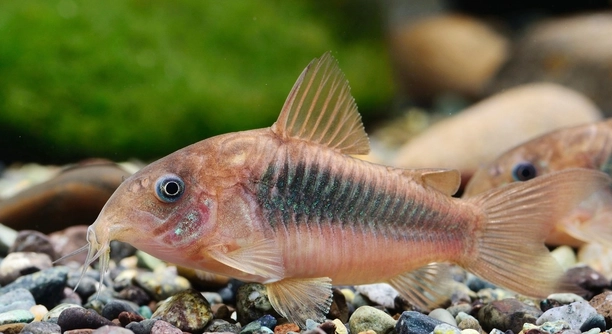
Corydoras catfish are often seen poking at the substrate in their aquarium. This behavior can leave many aquarists wondering what’s going on beneath the surface. Understanding why they do this can help you care for your fish better.
The main reason your Corydoras catfish keeps poking at the substrate is to search for food. Corydoras use their barbels to feel around for small particles or leftover food, as they are bottom dwellers.
There are several other factors influencing this behavior, such as natural instincts and their need to keep their environment clean. Understanding these reasons can help create a better habitat for your fish.
Corydoras’ Natural Feeding Habits
Corydoras catfish are bottom feeders, meaning they naturally seek out food on the aquarium floor. Their barbels, small whisker-like structures near their mouths, help them detect tiny bits of food, detritus, and other particles buried in the substrate. This is their primary way of hunting for food in the wild, and they keep this instinct even in aquariums. They are particularly drawn to leftover food from other fish or plant matter that falls to the tank floor. In captivity, their food may not always be plentiful, prompting them to poke around more frequently.
This behavior is nothing unusual, as they rely on their keen sense of touch and taste. It is part of their daily routine, constantly searching for something to nibble on.
Corydoras can be highly active and spend much of their time poking through the substrate. Providing a varied diet and ensuring food reaches the bottom can reduce their constant foraging. However, keep in mind that they’ll still dig around simply out of habit.
Natural Digging Instinct
Aside from looking for food, Corydoras also have a natural instinct to dig. In the wild, they use this behavior to sift through the substrate to find food and make their environment more comfortable. They typically dig into the sand, gravel, or soft substrate to find hidden morsels of food, often disturbing the sand or substrate around them.
This digging also helps them keep their environment clean. It’s natural for them to stir up the substrate, creating a cleaner area for the fish. Their constant digging can help reduce the accumulation of waste or leftover food, promoting a more balanced aquarium environment.
If you’re noticing a lot of digging, it’s likely a mix of both their feeding habits and instinctual behaviors. Ensuring a balanced diet and adding a variety of hiding spots can provide them with both stimulation and a cleaner environment.
Searching for Hidden Food
Corydoras are excellent scavengers. They naturally search through the substrate to find hidden food particles that other fish may miss. This behavior keeps them busy throughout the day, as they use their barbels to locate tiny bits of leftover food that settle on the bottom.
In aquariums, food can sometimes get lost in the substrate, especially if there are live plants or other fish. Corydoras will poke around for it, even after the meal is over. It’s not just about being hungry; it’s about the satisfaction of finding hidden morsels. Ensuring your catfish have access to food in the right areas can help limit the time spent foraging. However, this behavior is still instinctual, meaning they’ll continue looking, even when food isn’t in plain sight.
To minimize over-foraging, provide them with small, sinking pellets that they can easily locate and consume. This allows them to focus on eating rather than endlessly searching for scraps.
Stress and Anxiety
Stress can also lead to increased digging and poking behavior. Corydoras are sensitive to changes in their environment, and any disruption can cause them to act out. This could include new tank mates, water quality fluctuations, or sudden changes in lighting.
When Corydoras feel stressed, they may exhibit more foraging behavior in an attempt to soothe themselves or find comfort in the familiar act of searching the substrate. If you notice this behavior increasing, it’s important to check the water parameters and overall tank health. Providing hiding spots and consistent tank conditions can help your catfish feel more secure.
Stress-related behaviors should not be ignored, as they can lead to other health issues for your Corydoras. Consistency is key to keeping them calm and reducing unnecessary poking at the substrate.
Tank Environment
Corydoras prefer a soft, sandy substrate. A rough or sharp surface can irritate their barbels, causing them to poke around more. They’re naturally inclined to dig, so having the right environment can make a big difference in their behavior.
A sandy substrate mimics their natural habitat, allowing them to sift through it without discomfort. Gravel or rough substrates may lead to unnecessary poking as they try to avoid irritation. By ensuring they have a comfortable environment, you can reduce the amount of time they spend constantly poking around.
Tankmates and Social Behavior
Corydoras are social fish and thrive when kept in groups. A lack of tankmates can lead to more solitary behaviors like excessive poking at the substrate. In a group, they feel safer and are less likely to engage in constant searching for food.
Adding a few more Corydoras to your tank can make them feel more at ease and less stressed, which may reduce their constant foraging. Being social also keeps them active, but it channels their energy into other behaviors instead of just poking around the tank.
Water Quality
Poor water quality can lead to Corydoras behaving in ways they wouldn’t normally. If the water isn’t properly filtered or if there are fluctuations in temperature, these fish may become anxious or stressed.
Changes in water parameters can cause them to poke at the substrate more frequently as they search for food or try to feel comfortable in their environment. Regularly testing the water quality, performing water changes, and maintaining consistent conditions is essential for keeping Corydoras calm and reducing unnecessary foraging.
FAQ
Why does my Corydoras constantly dig at the substrate?
Corydoras are natural diggers. They have evolved to sift through the substrate to find food. Their barbels help them detect tiny food particles, and they instinctively dig to uncover hidden morsels. This behavior is entirely natural and part of their feeding habits. They may also dig to create a more comfortable space for themselves, as they do in the wild. If you notice excessive digging, it could be a sign that they are either looking for food or simply following their natural instincts.
How can I reduce my Corydoras’ constant digging?
To reduce constant digging, ensure your Corydoras are being fed properly. Offer sinking pellets that they can easily find at the bottom of the tank, so they don’t need to dig around for food. You can also increase the frequency of feedings or provide more food variety. Additionally, make sure the substrate is soft, like fine sand, to avoid irritating their barbels. A well-maintained environment with stable water conditions will also minimize stress, which can contribute to excessive digging.
Is it normal for Corydoras to poke at the substrate after feeding?
Yes, it’s completely normal for Corydoras to poke at the substrate even after they’ve eaten. Corydoras are always on the lookout for leftover food particles. Their barbels are highly sensitive, allowing them to detect small bits of food that may have been missed or buried in the substrate. They also dig to stir up any trapped particles and keep their environment clean. This behavior doesn’t necessarily mean they’re still hungry; it’s simply a natural instinct.
Can Corydoras’ digging harm the substrate or plants in the tank?
While Corydoras are generally gentle diggers, they can still cause some disruption to plants or delicate substrates. If your plants are rooted in loose gravel or sand, Corydoras might unintentionally uproot them as they dig. To prevent this, you can plant your plants in pots or use a more secure planting method. For the substrate, opt for fine sand, which is less likely to be disturbed. If you use gravel, choose larger gravel stones that are less likely to be moved around by their digging.
Do Corydoras only dig for food?
No, Corydoras do not dig solely for food. While much of their digging is food-related, they also dig for comfort or to mimic their natural behavior. In the wild, Corydoras will often dig through the substrate to make their environment more suitable for resting or hiding. They may poke around to adjust the area around them, which is part of their natural behavior. It’s also a way to clean their environment by stirring up waste or detritus.
Should I be concerned if my Corydoras are constantly poking at the substrate?
If your Corydoras are constantly poking at the substrate, it’s important to check if the tank conditions are right. They may be foraging for food, but if they are doing so excessively, it could indicate issues like poor water quality or stress. Ensure your Corydoras are well-fed and that the substrate is appropriate for their digging behavior. Also, check that the tank temperature, pH, and ammonia levels are stable. A stressed Corydoras may dig more in an attempt to feel more comfortable.
Can Corydoras be kept with other species if they keep poking the substrate?
Corydoras are peaceful fish that can generally be kept with a variety of other species. However, if they are constantly poking at the substrate, it may cause some issues. For example, bottom-dwelling fish might compete for food, and delicate fish or plants might be disturbed by the digging. It’s important to choose tankmates carefully. Fish that occupy different areas of the tank, such as mid-water or top-dwelling species, will be less affected by Corydoras’ substrate foraging. Also, providing enough food for everyone and maintaining good water quality will help minimize stress.
What is the best substrate for Corydoras to avoid excessive digging?
The best substrate for Corydoras is fine sand. Sand is easy on their barbels, and they can sift through it comfortably without any harm. Avoid using rough gravel or sharp stones, as these can irritate their sensitive barbels and make them more prone to excessive digging. If you choose gravel, make sure it’s rounded and not too large, as Corydoras will still attempt to dig, and larger stones can cause damage. Sand also mimics their natural habitat, creating a more comfortable environment for them.
Can Corydoras’ digging affect the tank’s filtration system?
Excessive digging by Corydoras can potentially affect the filtration system, especially if the substrate is disturbed too much. When they dig, debris and waste can become trapped in the substrate, which may clog the filter over time. To avoid this, make sure your filter is properly sized for your tank and regularly clean it. You can also use a fine mesh cover for the filter intake to prevent debris from being sucked in. Regular maintenance, such as vacuuming the substrate, will help keep everything running smoothly.
Do Corydoras need a lot of space to dig?
While Corydoras don’t require excessive space for digging, it’s still important to provide them with enough room to explore and forage. A larger tank allows them to naturally engage in their behavior without overcrowding or competing for space. In a smaller tank, they may become more stressed, leading to excessive digging and poking at the substrate. Providing adequate space also ensures a healthier environment where they can interact with their tankmates without being hindered by limited space.
Final Thoughts
Corydoras catfish are fascinating creatures with unique behaviors, particularly when it comes to poking at the substrate. While it might seem puzzling or concerning, this behavior is part of their natural instincts. Corydoras are bottom-dwellers that use their sensitive barbels to detect food particles in the substrate, and they are constantly foraging for tiny morsels. Whether they’re searching for food, cleaning their environment, or simply acting on instinct, their digging is a normal and healthy part of their behavior. Understanding why they poke at the substrate can help aquarium owners ensure that their fish remain happy and healthy in their environment.
However, it’s important to keep in mind that excessive digging or poking at the substrate could be a sign of stress or poor tank conditions. If your Corydoras seem to be digging more than usual, take a closer look at the water quality, substrate, and tankmates. Stress factors like improper water temperature, high ammonia levels, or even aggressive tankmates can lead to increased foraging behavior. By maintaining a stable environment and providing them with adequate food and space, you can reduce unnecessary stress and allow your Corydoras to exhibit more natural and balanced behaviors.
Overall, Corydoras catfish are hardy, low-maintenance fish that bring character and movement to any aquarium. Their constant poking at the substrate is nothing to worry about as long as their basic needs are met. A clean, well-maintained tank with a suitable substrate, healthy water conditions, and appropriate tankmates will ensure that your Corydoras continue to thrive. By understanding their behavior and making small adjustments, you can create a peaceful environment for both your Corydoras and their tankmates, allowing everyone to enjoy the aquarium more fully.

Hello,
If you enjoy the content that we create, please consider saying a "Thank You!" by leaving a tip.
Every little bit helps us continue crafting quality advice that supports the health, happiness, and well-being of pets around the world, for pets of all shapes, sizes, and species.
We really appreciate the kindness and support that you show us!