
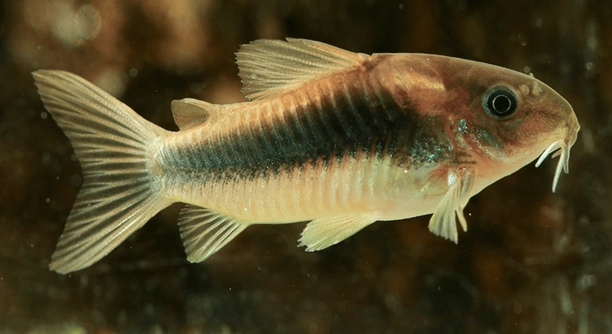
Is your Corydoras catfish acting differently, hiding more often, or swimming less than usual in your aquarium setup? These could be signs that your tank may be too small for their comfort and health.
Corydoras catfish may need more space if they display stressed behavior, reduced activity, or increased hiding. Overcrowding can affect their health and well-being, as these social fish require adequate swimming room and proper environmental conditions to thrive.
Understanding these clues can help you create a more comfortable habitat and improve your catfish’s quality of life over time.
1. Why Space Matters for Corydoras Catfish
Corydoras catfish are peaceful, social fish that thrive in groups and enjoy exploring the tank floor together. They’re active swimmers and need enough room to move around without bumping into decorations or other fish. A cramped tank can limit their movement, increase stress, and make them more prone to illness. Without proper space, they may also struggle to find food or interact with their group. Since they prefer to live in small schools, giving them plenty of room is essential. A larger tank also makes it easier to maintain water quality, which helps keep them healthy.
A small tank restricts natural behaviors, causing your fish to hide or act sluggish. This can lead to long-term health issues if not addressed early.
Creating a more spacious environment helps support natural behaviors and gives each fish room to breathe. It’s a small change that makes a big difference in their daily comfort.
2. 7 Signs Your Corydoras Catfish Needs More Space
If your Corydoras catfish seem stressed or inactive, the tank might be too small. Behavior changes are often the first indicator of space-related problems.
- Lethargy – Healthy Corydoras are active and constantly moving. If yours are sluggish or resting too often, it might be due to a lack of space. Small tanks can restrict movement, making the fish feel uncomfortable or overwhelmed. When they don’t have room to swim freely, they tend to retreat or become inactive.
- Excessive Hiding – While hiding occasionally is normal, excessive hiding means your fish may be feeling unsafe or crowded. This often happens in tanks with poor layout or insufficient space.
- Erratic Swimming – If you see quick dashes or sudden jerky movements, this may suggest your Corydoras are stressed. Lack of space can lead to anxious behavior as they struggle to find comfortable territory.
- Increased Aggression or Avoidance – Corydoras are generally peaceful, but stress from overcrowding can result in territorial disputes or complete withdrawal.
- Surface Gasping – This may signal low oxygen or poor water quality, both of which are common in small, overstocked tanks.
- Uneaten Food and Messy Substrate – These fish are bottom feeders, and if the tank is too full or tight, they may miss food scattered across the floor.
- Slowed Growth or Physical Changes – Stunted growth and faded coloration can occur when fish are kept in a small, stressful environment long-term.
Keeping an eye on these signs helps ensure your fish are not just surviving but living comfortably.
3. How Tank Size Affects Their Behavior
A small tank limits how your Corydoras interact, feed, and move. You might notice them avoiding each other or huddling in corners. These behaviors are often signs of discomfort caused by lack of space and overstocking.
A tank that is too small makes your Corydoras feel crowded and anxious. They may swim less, interact less, or hide more often. When space is limited, even peaceful fish may begin to act defensively or show signs of stress. Over time, this can affect how they eat and how they behave as a group. Their natural schooling behavior becomes less noticeable, and they might start avoiding each other. This isolation leads to less stimulation, and eventually, the fish become withdrawn or sluggish. Ensuring enough room can prevent these behaviors and help maintain a healthier environment.
The size of your tank also impacts how well your Corydoras can express their natural instincts. In a larger tank, they’ll explore more, sift through substrate more often, and interact more freely with their group. With space to roam, they stay active and curious, making them easier to observe and care for. Movement and group behavior improve when space allows them to behave naturally. That’s why proper tank size is important.
4. Ideal Tank Size for Corydoras Catfish
For a group of six Corydoras catfish, a 20-gallon long tank is a good starting point. This gives them enough floor space to swim comfortably and display social behavior.
The shape of the tank matters just as much as the size. Corydoras are bottom dwellers, so a long, shallow tank is better than a tall one. A long tank provides more horizontal space for movement, which supports their natural instincts. Adding more fish means you’ll need a larger tank. For each additional Corydoras, increase your tank size by about 2-3 gallons. Avoid over-decorating, as clutter can reduce floor space. Leave open areas for them to swim in groups. Make sure your filtration is strong enough to handle the bio-load, as these fish are sensitive to water conditions. A larger tank makes water management easier and reduces stress, helping your Corydoras stay healthy and active.
5. How to Give Them More Space
Upgrading to a longer tank can make a big difference. Choose one with more floor space rather than height, since Corydoras stay near the bottom. Rearranging decorations can also help open up their swimming area.
Avoid overcrowding by sticking to the right number of fish. Fewer tank mates mean more space, cleaner water, and less competition for food. Focus on quality over quantity to help your Corydoras feel safe and stay active.
6. Choosing Tank Mates Carefully
Corydoras do best with calm, peaceful tank mates. Avoid aggressive or territorial fish that may chase or stress them. Choose species that stay in different tank levels, like top or mid swimmers. This keeps the bottom less crowded and allows your Corydoras to move freely. Stick to fish that are similar in size and temperament. Adding too many species can limit swimming space and increase waste. Consider snails or shrimp for variety without adding much bioload. A balanced tank makes it easier to maintain water quality and helps all fish stay healthy, active, and comfortable.
7. Importance of Substrate and Layout
Use smooth, fine sand as substrate to prevent injury to their barbels. Avoid rough gravel that can damage their sensitive undersides. Keep decorations minimal and place them along the edges.
FAQ
How can I tell if my Corydoras are stressed from lack of space?
They may hide more often, stop schooling, or act restless. If they swim frantically along the glass or stay still for long periods, they could be uncomfortable. You might also notice reduced appetite, pale coloring, or increased aggression toward tank mates.
Can Corydoras live in a 10-gallon tank?
It depends on the number of fish and layout. A 10-gallon tank is very limiting, even for small groups. They may survive, but they won’t thrive. The lack of swimming space and poor water stability often causes stress, leading to health issues over time.
What tank shape is best for Corydoras catfish?
A long rectangular tank is best. Corydoras are bottom dwellers and need horizontal swimming space. Avoid tall, narrow tanks. A longer tank helps them move naturally and gives them enough room to socialize and explore without crowding each other.
How many Corydoras should I keep together?
Keep them in groups of at least six. They are social fish that prefer the company of their own kind. Keeping them in small groups makes them more active, less anxious, and better able to show natural behaviors.
Do Corydoras grow larger if given more space?
They don’t necessarily grow larger, but they may grow to their full potential in better conditions. Poor space and water quality can stunt growth. Providing enough space supports healthy development and helps them stay active and responsive.
What happens if I keep too many Corydoras in a small tank?
Overcrowding leads to poor water quality, limited movement, and stress. Your fish may become more prone to illness, stop eating, or behave aggressively. It also becomes harder to maintain healthy water parameters in smaller, crowded environments.
Can I mix Corydoras with larger fish if I have enough tank space?
It depends on the species. Avoid mixing them with aggressive or fast-swimming fish, even in large tanks. Corydoras are peaceful and easily stressed. If the larger fish ignore them and don’t compete for bottom space, it can work—but always monitor closely.
Do Corydoras catfish like planted tanks?
Yes, but keep plants low and sparse along the bottom. Too many thick plants can block their swimming space. Floating plants or those placed toward the edges help provide cover without restricting movement. Plants also help with water quality, which benefits them.
Should I use hiding spots if I’m giving them more space?
Yes, just don’t overdo it. One or two caves or driftwood pieces placed at the sides work well. Hiding spots help them feel secure but should never take away most of their swimming area. Space to move is still the priority.
Will rearranging the tank help if I can’t upgrade the size?
It can help temporarily. Try moving decorations to open up the bottom area. Remove anything unnecessary. Keep only essentials like a smooth substrate, a couple of plants, and minimal decor. It’s not a perfect fix, but it can reduce stress.
How often should I clean the tank if it’s small?
Smaller tanks require more frequent maintenance. Weekly partial water changes are a must, and sometimes even twice a week if the tank is stocked heavily. Regular gravel vacuuming and filter cleaning will help maintain stability and reduce waste buildup.
Are Corydoras okay alone if the tank is small?
No. Corydoras are social fish and should never be kept alone. Even if your tank is small, aim for at least a group of six. If that’s not possible, consider upgrading or choosing a different fish better suited to small setups.
Do all Corydoras species need the same tank size?
Most species have similar needs, but some get a little larger and more active. For example, Sterbai and Bronze Corydoras need more room than Pygmy Corydoras. Always research the specific species and base your tank size on their adult size and behavior.
Can tank size affect their lifespan?
Yes. Fish kept in proper conditions tend to live longer. In cramped tanks, stress and poor water quality can shorten their lifespan. A suitable tank with enough space helps them stay healthy, eat properly, and fight off illness more effectively over time.
Final Thoughts
Corydoras catfish are peaceful, social fish that enjoy exploring the bottom of the tank with others of their kind. They do best when kept in small groups, provided with soft substrate, clean water, and enough space to swim freely. A cramped tank can make them stressed, reduce their activity, and lead to health problems over time. It may seem like they don’t need much room because they are small, but they are still active swimmers that benefit from a longer tank with open space at the bottom. Watching them behave naturally is also more enjoyable when they feel safe and have room to move.
If you notice changes in their behavior—such as hiding often, losing color, or swimming oddly—it might be a sign that they need more space. Even though they are hardy and adaptable, limited tank conditions can still wear them down slowly. Simple changes like upgrading to a larger tank or rearranging the current layout can have a big impact on their well-being. Adding more room encourages better movement, stronger group behavior, and healthier fish overall. It’s also easier to maintain water quality in larger tanks, which supports their long-term health and reduces stress for both you and the fish.
Providing the right tank size shows care and attention to their needs. Corydoras are low-maintenance compared to some other fish, but that doesn’t mean they can thrive in any setup. Enough space, gentle filtration, a soft-bottom surface, and the company of their own kind make a big difference. A well-planned tank creates a calmer environment, supports their natural habits, and leads to a more active and stable group. Even a few simple adjustments can improve their quality of life. In the end, helping your Corydoras feel secure and active will result in healthier fish that live longer and interact more naturally.

Hello,
If you enjoy the content that we create, please consider saying a "Thank You!" by leaving a tip.
Every little bit helps us continue crafting quality advice that supports the health, happiness, and well-being of pets around the world, for pets of all shapes, sizes, and species.
We really appreciate the kindness and support that you show us!