
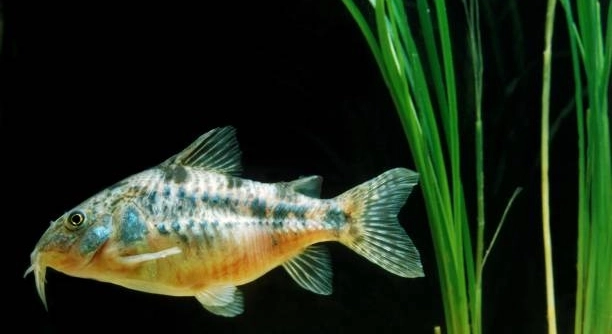
Corydoras catfish are a popular choice for aquarium enthusiasts due to their peaceful nature. However, their stress levels can rise during tank maintenance, affecting their health and behavior. Proper care is needed to keep them comfortable.
Maintaining low stress levels in Corydoras catfish during tank maintenance is vital for their well-being. Strategies such as gentle handling, keeping water conditions stable, and minimizing sudden changes help reduce their stress. Regular monitoring and a calm approach are key.
By following simple techniques, you can ensure that your Corydoras catfish stay relaxed during tank upkeep. These practices are easy to implement and can significantly improve their overall health.
Keep Water Conditions Stable
Keeping your tank’s water conditions stable is one of the best ways to reduce stress in Corydoras catfish. Sudden changes in temperature, pH, or water hardness can trigger anxiety. Regularly testing the water parameters ensures that everything stays within the ideal range for your fish. It’s also important to maintain a consistent temperature and clean water to avoid putting unnecessary stress on your catfish. Try to make adjustments gradually rather than making drastic changes, as this gives your fish time to adapt.
A reliable water heater and filtration system are essential for maintaining these stable conditions. It’s best to invest in a good quality filter and use a thermometer to keep track of the temperature. This prevents fluctuations that could cause discomfort for your catfish. Make sure to clean the filter regularly and check the water for any ammonia or nitrite spikes.
By keeping your tank’s environment stable, your Corydoras will feel more secure and less stressed during maintenance. These simple practices help maintain their comfort and overall health, contributing to their well-being over time.
Handle with Care
While tank maintenance, avoid disturbing your Corydoras too much. Handling them roughly or moving decorations can cause undue stress. Gently move items if necessary, but take care to avoid sudden movements.
Corydoras catfish are sensitive to changes in their environment. Shifting rocks, plants, or gravel can cause them to feel insecure and stressed. Use a soft net if you need to move them or relocate tank elements. Always remember that the less disturbance, the better. This helps them maintain their calm and reduces the risk of stress-related health issues.
Carefully handling your fish and tank items ensures that their habitat remains undisturbed. Stress can weaken your Corydoras catfish, making them more susceptible to illness. By taking a cautious approach during tank maintenance, you preserve their health and happiness.
Minimize Loud Noises and Vibrations
Corydoras catfish are sensitive to sudden noises and vibrations. Loud sounds from nearby activities, like vacuuming or slamming doors, can cause stress. Try to conduct tank maintenance during quieter times to prevent startling your fish. Keeping noise levels down is an easy way to reduce their stress.
Avoid placing the tank in high-traffic areas where noise and vibrations are frequent. Keeping the aquarium in a room with minimal disturbances will provide a calmer environment. If you must perform maintenance during busier times, consider using a soft cloth or blanket around the tank to dampen vibrations.
A quieter atmosphere allows your Corydoras to feel secure and relaxed during maintenance. Over time, reducing external disturbances contributes to their well-being, ensuring they remain happy and healthy.
Regular Water Changes
Regular water changes are a key factor in maintaining low stress levels for Corydoras. Clean water helps to keep their environment stable, preventing the buildup of toxins. Performing water changes on a consistent schedule avoids drastic changes that can stress your fish.
Make sure to replace around 25% of the tank’s water weekly, depending on the size of the aquarium. When doing so, always ensure the replacement water is at the same temperature and pH as the water in the tank. This helps avoid shocks that may stress your catfish.
By sticking to a regular water change routine, you improve the overall quality of the tank and keep your Corydoras healthy. Clean water minimizes harmful bacteria and ensures a peaceful environment for your fish.
Use a Proper Net
Using a soft, fine-mesh net is essential when moving your Corydoras catfish. A net with harsh edges can damage their delicate fins and cause stress. Always handle them gently to avoid harm.
When catching your catfish, try to scoop them slowly to avoid scaring them. Sudden movements can startle them, leading to stress. A soft net minimizes the risk of injury, allowing you to move your fish safely and calmly.
Proper netting reduces the chance of harm and helps keep your Corydoras catfish calm during tank maintenance. A gentle, slow approach ensures a safer, less stressful experience for both you and your fish.
Avoid Overcrowding the Tank
Overcrowding can lead to stress in Corydoras catfish. Too many fish in a tank creates competition for food and space, which increases stress levels. Keep an eye on the number of fish to ensure everyone has enough room to swim comfortably.
Adding extra decorations or hiding spots can help create more space for your Corydoras. This encourages peaceful behavior and reduces the tension that overcrowding brings. Avoid overfeeding, as excess food contributes to water quality issues, which can further increase stress.
By controlling the tank’s population and making sure everyone has enough space, you can maintain a stress-free environment for your fish.
Maintain a Consistent Routine
Corydoras catfish thrive on consistency. A regular maintenance routine helps them feel secure. They become accustomed to specific actions, reducing anxiety during cleaning or water changes. Sticking to a schedule lets them adapt to the maintenance process.
Having a predictable routine also means they experience fewer disruptions. This gives them a sense of stability, allowing them to live without the stress of sudden changes. A consistent approach will keep your catfish comfortable, especially during tank cleaning.
Being consistent with tank maintenance provides your Corydoras with the peace of mind they need to remain stress-free.
FAQ
How often should I clean my Corydoras catfish tank?
Cleaning your Corydoras tank once a week is ideal. During cleaning, remove any uneaten food and vacuum the substrate to keep the tank free of waste. Perform partial water changes, replacing 25% of the water weekly. Keeping a regular cleaning schedule helps prevent the buildup of harmful toxins, ensuring a healthier environment for your catfish.
Can I use chemicals to clean my Corydoras tank?
It’s best to avoid using harsh chemicals in your Corydoras tank. Chemical cleaners can harm your fish, especially those with sensitive skin like Corydoras. Instead, rely on natural cleaning methods, such as water changes, substrate vacuuming, and proper filtration, to maintain a clean tank. If you must use chemicals, ensure they’re aquarium-safe and follow all guidelines carefully.
What is the best water temperature for Corydoras catfish?
Corydoras catfish prefer water temperatures between 72°F and 78°F (22°C to 26°C). Maintaining a stable temperature within this range is essential for their health and stress levels. Avoid sudden changes, as they can cause shock. A reliable aquarium heater will help keep the temperature consistent, preventing stress during maintenance.
How can I prevent my Corydoras from getting sick?
Maintaining good water quality is the best way to keep your Corydoras healthy. Regular water changes, a good filtration system, and monitoring the water parameters can help prevent illness. Additionally, avoid overcrowding, as this can stress the fish and make them more vulnerable to disease. Keep the tank clean and offer a balanced diet to support their immune system.
Should I provide hiding spots for my Corydoras catfish?
Yes, providing hiding spots is important for Corydoras. These fish are naturally shy and appreciate having places to hide when they feel stressed or threatened. Adding plants, rocks, or caves to the tank will give them the security they need. It helps them feel safe during maintenance and lowers stress levels.
How do I know if my Corydoras are stressed?
Signs of stress in Corydoras catfish include erratic swimming, hiding excessively, loss of appetite, and faded coloration. If your fish are constantly hiding or swimming near the surface, they may be experiencing stress. It’s important to address the cause of stress, whether it’s poor water conditions, tank overcrowding, or disturbances during maintenance.
Can I add new Corydoras to my tank during maintenance?
It’s best to avoid adding new Corydoras during tank maintenance. The changes in water conditions and the disturbance from cleaning can add unnecessary stress. It’s better to wait until after maintenance is completed and the tank is stable before introducing new fish. This gives your current Corydoras a chance to adjust and remain calm.
How do I safely move Corydoras during cleaning?
To move your Corydoras during cleaning, use a soft, fine mesh net. Gently scoop the fish to avoid injury, being careful not to startle them. Avoid moving them roughly or quickly, as this can cause stress. If possible, place them in a temporary holding tank or container with similar water conditions to avoid long periods of disturbance.
Is it okay to remove decorations during maintenance?
Removing decorations for cleaning is fine, but try not to move them around too much. Corydoras catfish are territorial and may feel stressed if their environment changes too drastically. If you need to remove or reposition decorations, do so slowly and carefully. Try to return them to the same spot to minimize disruption.
What kind of filter is best for a Corydoras tank?
A gentle, low-flow filter is best for Corydoras catfish. They don’t like strong currents, so opt for a filter that provides efficient filtration without creating too much water movement. Sponge filters or a gentle power filter are good options. Make sure the filter is rated for the size of your tank to maintain optimal water quality.
How do I prevent my Corydoras from becoming overly stressed during water changes?
To minimize stress during water changes, make sure the replacement water is at the same temperature and pH as the tank water. Use a gentle siphon to remove water, and avoid disturbing the fish. Perform partial water changes rather than full water changes, as this is less disruptive to their environment.
What should I feed my Corydoras catfish to keep them healthy?
Corydoras catfish are omnivores and require a balanced diet. Provide sinking pellets, frozen or live food like bloodworms, and occasional vegetable matter, such as blanched spinach or zucchini. It’s important to avoid overfeeding, as uneaten food can affect water quality, which in turn can stress your fish.
Can Corydoras catfish live with other fish?
Yes, Corydoras catfish are peaceful and can live with other non-aggressive fish. They do well in community tanks with species like tetras, guppies, and danios. However, avoid keeping them with large or aggressive fish that may stress or harm them. Ensure that the tank’s water conditions suit all species living together.
How do I know if my Corydoras are healthy?
Healthy Corydoras catfish are active, swim steadily, and have vibrant coloration. They should be eating well and interacting with other fish. Their fins should be intact and spread out, not clamped. If you notice signs of illness, such as faded color, lethargy, or unusual behavior, address the issue quickly to prevent further stress.
Final Thoughts
Maintaining a stress-free environment for Corydoras catfish is essential for their overall health and well-being. These fish are naturally calm and shy, and they thrive in peaceful, stable conditions. By following a few simple guidelines, you can help ensure that your Corydoras remain happy and stress-free during tank maintenance. Regular water changes, proper filtration, and gentle handling during cleaning are crucial steps to avoid unnecessary stress. Keeping a consistent routine and ensuring they have enough space to swim comfortably will also contribute to their well-being.
Stress can negatively affect Corydoras catfish, leading to poor health and increased susceptibility to illness. Signs of stress, such as erratic swimming, loss of appetite, and hiding, should be taken seriously. By addressing the causes of stress, such as overcrowding, poor water quality, or sudden changes in their environment, you can prevent these issues before they escalate. Providing hiding spots, using gentle nets, and maintaining a proper water temperature are all effective ways to minimize stress. These small changes in your maintenance routine can make a big difference in keeping your catfish healthy.
In conclusion, the key to keeping Corydoras catfish stress-free lies in creating a stable and secure environment. It’s important to be mindful of their needs during tank maintenance, as any disruption can lead to unnecessary stress. With consistent care, proper water conditions, and gentle handling, your Corydoras will thrive in a stress-free aquarium. The more effort you put into maintaining their comfort, the healthier and more active your fish will be.

Hello,
If you enjoy the content that we create, please consider saying a "Thank You!" by leaving a tip.
Every little bit helps us continue crafting quality advice that supports the health, happiness, and well-being of pets around the world, for pets of all shapes, sizes, and species.
We really appreciate the kindness and support that you show us!