
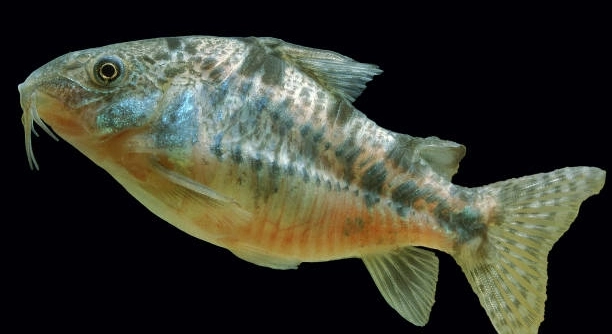
Corydoras catfish are popular aquarium fish known for their gentle nature and active behavior. However, if you notice them spinning in circles, it can be concerning. Understanding why this happens is key to ensuring their well-being.
Corydoras catfish spinning in circles can result from various factors, such as stress, poor water quality, or underlying health issues. Identifying the root cause requires observation of their behavior and environmental conditions to determine the best solution.
Several factors contribute to this unusual behavior, and it’s essential to address them promptly. Identifying the cause can improve the quality of life for your fish and prevent further complications.
Stress from Environmental Factors
Stress is one of the most common reasons why your Corydoras catfish might be spinning in circles. These fish are sensitive to changes in their environment, and even slight fluctuations in temperature, water quality, or lighting can cause them distress. When stress builds up, it can lead to erratic movements, such as spinning, as the fish struggles to adapt.
If your fish are constantly exposed to high levels of stress, their health may decline, leading to even more serious behavior issues. It’s important to monitor water parameters like pH, ammonia, and nitrate levels. Consistent temperature is also critical; sudden changes can stress out your catfish. Ensuring your aquarium has stable conditions can prevent this from happening.
Adding plants or hiding spots can help reduce stress by providing your catfish with more security and comfort. A calm and stable environment goes a long way in promoting the health of your Corydoras and preventing behavioral issues like spinning.
Poor Water Quality
Water quality plays a huge role in your fish’s health. When the water is too dirty or unbalanced, it can lead to issues that cause your Corydoras to behave oddly. Poor filtration, overfeeding, or insufficient water changes can all contribute to water contamination.
Fish exposed to poor water quality are more likely to experience stress and exhibit abnormal behaviors like spinning in circles. It’s essential to regularly test the water for ammonia, nitrates, and other toxins. A good filtration system is also important for maintaining clean, oxygen-rich water, which will keep your Corydoras healthy and calm.
Routine water changes, along with proper filtration, can keep your fish thriving. Make sure to check your filtration system to ensure it is working correctly, as this is a simple yet effective way to improve water quality.
Infections or Illnesses
Infections or illnesses can cause Corydoras catfish to display abnormal behavior, like spinning. Bacterial or parasitic infections may affect their nervous system, leading to disorientation and erratic movements. It’s essential to watch for other signs of illness, like loss of appetite or visible lesions.
If your fish are spinning in circles and showing other symptoms, it could point to a serious health issue. A common infection in aquarium fish is “Columnaris,” a bacterial disease that can affect both the skin and fins. It can cause your Corydoras to swim in circles as they try to escape discomfort.
Proper diagnosis is crucial for treating any illness, so if you suspect an infection, consult a vet or fish specialist. Medication might be necessary, but always ensure it is suitable for Corydoras, as they are sensitive to certain treatments. Keep your tank clean to prevent further outbreaks.
Poor Diet or Malnutrition
A poor diet can lead to spinning behavior in Corydoras. If they aren’t getting the proper nutrients, it can affect their motor skills and overall health. Corydoras are bottom dwellers, so they rely on food that sinks to the bottom. Overfeeding or feeding the wrong type of food can cause malnutrition.
A varied and balanced diet is essential for keeping your Corydoras healthy. Include high-quality sinking pellets, algae wafers, and occasional live food to meet their nutritional needs. Inadequate food sources can weaken their immune system, leaving them vulnerable to infections and stress.
Ensure that your fish are receiving the right type of food. Overfeeding can cause water quality issues and worsen their condition. Consider using a feeding schedule and only offering the amount of food your fish can consume in a few minutes. Proper nutrition supports their overall well-being.
Overcrowding in the Tank
Overcrowding in your aquarium can cause stress and result in unusual behavior, such as spinning in circles. Too many fish in a small space can lead to poor water quality and lack of resources. It’s important to avoid exceeding the tank’s capacity.
If your tank is overcrowded, your Corydoras will feel more stressed, which may lead to erratic movements. Overcrowding often leads to competition for food and space, making it harder for your fish to feel secure. Try to maintain proper fish stocking levels to ensure that your fish have enough room to thrive.
Tankmates and Aggression
Aggressive tankmates can also cause your Corydoras to spin. If other fish are constantly harassing or chasing them, it will lead to stress and strange swimming patterns. Corydoras are peaceful fish and need tankmates that won’t intimidate them.
Observe the behavior of other fish in your aquarium. If you see signs of aggression, such as chasing or nipping, it could be affecting your Corydoras. To avoid this, make sure to select peaceful species that are compatible with Corydoras. This will help maintain a calm environment and reduce stress for your fish.
FAQ
Why is my Corydoras spinning in circles?
Corydoras spinning in circles can be caused by several factors. Stress from environmental changes, poor water quality, infections, or illness are common causes. If your fish are in an overcrowded tank or dealing with aggressive tankmates, this can also lead to spinning behavior. It’s essential to evaluate your tank’s conditions, water parameters, and the overall health of your fish to determine the cause.
How can I reduce stress for my Corydoras catfish?
To reduce stress, maintain a stable and clean environment in your tank. Monitor water quality regularly, ensuring proper levels of pH, ammonia, and nitrates. Providing hiding spots and live plants in the tank can help create a secure space for your Corydoras. Additionally, avoid sudden temperature changes and limit noise or disturbances around the tank.
Is spinning a sign of a serious health problem?
Spinning can be a sign of health issues, particularly if accompanied by other symptoms like loss of appetite or visible lesions. Infections or diseases, such as bacterial or parasitic infections, may affect the nervous system, causing disorientation and erratic movements. If you notice these symptoms, consider consulting a fish vet for a proper diagnosis and treatment.
Can overfeeding cause my Corydoras to spin?
Yes, overfeeding can lead to poor water quality, which can cause stress and illness. When food is left uneaten, it decays and pollutes the water, making it harder for your Corydoras to thrive. A poor diet can also affect their motor skills. Be mindful of how much you feed your fish and remove any uneaten food promptly.
What is the best diet for my Corydoras catfish?
A balanced diet for Corydoras includes sinking pellets, algae wafers, and occasional live food like brine shrimp or bloodworms. Corydoras are bottom dwellers and need food that sinks to the bottom of the tank. Avoid overfeeding and provide a variety of foods to ensure your fish get the nutrients they need for optimal health.
Can poor water quality cause spinning in Corydoras catfish?
Yes, poor water quality is one of the main reasons Corydoras may spin. Dirty water with high levels of ammonia, nitrites, or nitrates can cause stress and make it harder for your fish to breathe and function properly. Regular water changes, a good filtration system, and routine testing of water parameters are crucial to preventing poor water quality.
How do I know if my Corydoras are stressed?
Signs of stress in Corydoras include abnormal swimming patterns, like spinning, hiding excessively, or being more inactive than usual. You may also notice your fish avoiding certain areas of the tank or displaying abnormal gill movement. Monitoring your water parameters and tank conditions can help prevent stress from affecting your fish.
Are Corydoras sensitive to temperature changes?
Yes, Corydoras are sensitive to sudden changes in temperature. Rapid fluctuations can cause them stress, leading to erratic swimming patterns, including spinning. It’s essential to keep the water temperature stable, within the recommended range of 72°F to 78°F (22°C to 26°C). A reliable heater and thermometer will help maintain consistent conditions.
Can Corydoras get diseases that cause spinning?
Yes, Corydoras can get diseases that affect their nervous system, leading to spinning. Bacterial and parasitic infections, such as Columnaris or parasites like Ich, can cause disorientation and unusual swimming behavior. If you notice other signs of illness, such as lesions or loss of appetite, seek treatment as soon as possible.
What type of tankmates are best for Corydoras?
Corydoras are peaceful fish and do best in a tank with other non-aggressive species. Avoid keeping them with large or territorial fish that might chase or nip at them. Small, peaceful fish such as tetras, guppies, and rasboras are good companions for Corydoras. Proper tankmate selection reduces stress and improves the overall well-being of your fish.
How can I prevent overcrowding in my aquarium?
To prevent overcrowding, ensure that your tank is appropriately sized for the number of fish you have. Corydoras require at least 10 gallons of water per group of 4-6 fish. Research the specific needs of any other species in the tank to avoid exceeding the tank’s capacity. Regularly check the number of fish and adjust as necessary to maintain a healthy and comfortable environment.
Can Corydoras recover from spinning behavior?
Yes, Corydoras can recover from spinning behavior if the underlying cause is addressed. If the issue is related to water quality, stress, or illness, improving the tank conditions, providing proper nutrition, and offering appropriate treatment can help. However, if the behavior is due to a serious health issue, seeking veterinary assistance is important for a full recovery.
How often should I change the water in my Corydoras tank?
Water changes should be done regularly, typically 25-30% of the tank’s water every 1-2 weeks. This helps maintain good water quality and prevents the buildup of toxins that could harm your Corydoras. If your tank is heavily stocked or has poor filtration, more frequent water changes may be necessary.
Why are my Corydoras always hiding?
Corydoras are naturally shy and tend to hide when they feel stressed or unsafe. Providing plenty of hiding spots with plants, caves, or decorations will help your fish feel secure. However, if they hide excessively, it may indicate a problem with water quality, tankmates, or an underlying health issue that needs attention.
Final Thoughts
If you notice your Corydoras catfish spinning in circles, it’s important to assess the tank environment and their overall health. Many factors can contribute to this unusual behavior, including stress, poor water quality, infections, and overcrowding. By paying attention to their surroundings and their condition, you can identify the cause and take steps to fix the issue. Keeping your tank clean, monitoring water quality, and ensuring your fish have a balanced diet can help prevent these problems from occurring.
Corydoras catfish are generally peaceful and low-maintenance, but like all aquarium fish, they have specific needs that must be met for them to thrive. Proper tank conditions, including stable water temperature and suitable tankmates, are essential for maintaining their health. Regular maintenance, such as water changes and checking for signs of stress or illness, will go a long way in keeping your Corydoras happy and active. If you notice any unusual behaviors, such as spinning, early intervention is crucial for preventing more serious problems down the line.
Ultimately, understanding the cause behind your Corydoras catfish’s spinning behavior will help ensure that they remain healthy in the long run. Whether it’s adjusting their environment, improving water quality, or addressing a health issue, taking action sooner rather than later can make a big difference. Corydoras are resilient and can recover from many issues if given the right care. With a little attention and effort, you can provide your fish with a comfortable, safe home where they can swim happily and healthily.

Hello,
If you enjoy the content that we create, please consider saying a "Thank You!" by leaving a tip.
Every little bit helps us continue crafting quality advice that supports the health, happiness, and well-being of pets around the world, for pets of all shapes, sizes, and species.
We really appreciate the kindness and support that you show us!