
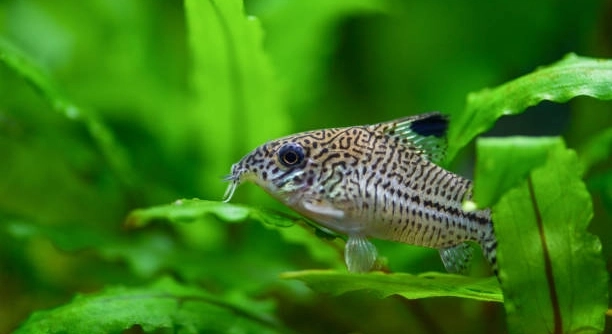
Corydoras catfish are popular aquarium fish known for their calm nature and helpful cleaning habits. However, it can be concerning when they stop reacting to food. Understanding the possible causes behind this behavior is crucial for their well-being.
The most common reasons your Corydoras catfish may not be reacting to food include stress, water quality issues, illness, or environmental changes. Their behavior can also be influenced by temperature fluctuations, diet, or tankmates. Addressing these factors can improve their eating habits.
Several factors contribute to your catfish’s behavior. Understanding these will help you restore your fish’s eating habits and overall health.
Stress and Environmental Changes
Corydoras catfish can easily get stressed, and this may affect their eating habits. Stress in fish can come from various sources, such as loud noises, sudden movements around the tank, or changes in tank setup. Even the introduction of new tankmates can cause anxiety. It’s important to maintain a calm and stable environment for your catfish. Keeping the tank in a quiet, low-traffic area helps reduce unnecessary stressors. Stress can also stem from overfeeding or overcrowding. If the tank feels crowded or chaotic, your catfish might retreat to safer spots, avoiding food.
Regular water changes and maintaining a stable temperature help your catfish feel more secure. When stress is reduced, fish are more likely to resume normal eating patterns. Proper tank maintenance plays a key role in their overall health and behavior.
If your Corydoras isn’t eating, try to remove any potential stress factors. Observe the tank and adjust conditions as needed. A calm, balanced environment can go a long way in restoring your catfish’s normal behavior.
Poor Water Quality
Water quality is one of the main factors affecting the health of aquarium fish. If the water is too dirty or improperly balanced, Corydoras may become lethargic and refuse to eat. High levels of ammonia, nitrites, or nitrates can cause harm to their gills and reduce their appetite. Maintaining the right pH level and ensuring that the water is properly filtered are key to a healthy tank.
Test the water regularly to make sure that all levels are within the ideal range for Corydoras. Regular water changes are necessary to avoid the build-up of harmful toxins. Additionally, using a good filtration system ensures that the water remains clean, preventing the accumulation of waste and harmful chemicals.
If your catfish has stopped eating, it might be reacting to the poor water conditions. A water change or adjusting the filter could help restore its appetite. Make sure the tank is kept clean and safe for all the fish.
Illness or Disease
Illness is another reason why your Corydoras may not be eating. Fish are susceptible to various diseases that can cause them to lose interest in food. External signs of illness, such as pale skin, swollen bodies, or clamped fins, may indicate a health problem. Internal parasites and infections can also lead to a lack of appetite.
If you suspect your Corydoras has an illness, observe for any abnormal behavior. If the fish is lethargic or hiding more than usual, it could be an indication of a health issue. In such cases, quarantine the sick fish and consult a vet for a proper diagnosis.
When dealing with illness, a quick response is essential to prevent the spread of disease to other tankmates. Treating the affected fish with the appropriate medication can help them recover and restore their eating habits. Keeping the tank clean and monitoring the fish’s behavior can help catch potential issues early.
Temperature Fluctuations
Corydoras catfish are sensitive to temperature changes. If the water temperature fluctuates too much, they may stop eating. Ideally, the water should be between 72°F and 78°F (22°C to 26°C) for Corydoras to thrive. Sudden drops or spikes in temperature can stress your fish, making them less active and less interested in food.
To prevent temperature fluctuations, use a reliable aquarium heater and thermometer. Ensure the heater is properly calibrated and set within the ideal range for Corydoras. Avoid placing the tank near windows or vents where temperature changes are more likely to occur. Keeping the water at a stable temperature encourages healthy, active fish that are more likely to eat.
If your catfish are not eating, check the water temperature immediately. A steady temperature helps maintain their appetite and overall health. Adjust the tank’s heating system if necessary, ensuring it remains consistent.
Tankmates
The behavior of other fish in the tank can have a significant impact on your Corydoras’ eating habits. Aggressive or overly dominant fish might intimidate your catfish, making them too stressed to eat. When other fish swim too close to their food, the Corydoras may avoid it altogether.
Choose tankmates that are calm and compatible with Corydoras. Avoid adding aggressive species like cichlids or larger fish that may compete for food. Providing hiding spots in the tank can also help Corydoras feel secure, reducing the chances of stress. Creating a peaceful and balanced tank environment encourages Corydoras to eat without fear.
If you have aggressive fish, consider separating them temporarily or rearranging the tank. Ensuring that the Corydoras feel safe and comfortable can help them regain their appetite.
Diet and Feeding Schedule
Corydoras catfish are bottom feeders that prefer sinking pellets or live food. If the food isn’t sinking or it’s not to their liking, they may not react. Make sure you are offering food that matches their natural diet, including sinking pellets, bloodworms, or brine shrimp.
Overfeeding can also be a problem. If there is excess food in the tank, Corydoras may avoid eating. Stick to a feeding schedule and remove any uneaten food to avoid water quality issues. Offering small amounts throughout the day can prevent overfeeding while ensuring your fish get the nutrients they need.
A consistent feeding routine ensures your fish get the right amount of food at the right time, keeping them healthy and active.
Water Hardness and pH Levels
Corydoras thrive in water with moderate hardness and a slightly acidic pH. Water that is too soft or too hard can affect their behavior and appetite. Test the water’s hardness and pH regularly to make sure it falls within the preferred range for Corydoras catfish.
If the water conditions are unsuitable, adjust the parameters using appropriate products designed to change water hardness or pH. Remember, abrupt changes can cause stress, so make adjustments slowly. Maintaining the correct water chemistry supports the overall health of your Corydoras, allowing them to eat and behave naturally.
Lighting and Tank Conditions
Corydoras are not fans of bright lighting and may become stressed under intense light. If your aquarium is too bright, your catfish might hide more and avoid eating. Consider reducing the light intensity or providing more shaded areas within the tank.
Adjusting the lighting can help create a more comfortable environment for your Corydoras, encouraging them to be more active. Use low-intensity LED lights or place decorations that block direct light. Ensuring the tank has a calm and peaceful ambiance can improve your catfish’s appetite.
FAQ
Why is my Corydoras catfish hiding and not eating?
Corydoras may hide when they are stressed, sick, or uncomfortable. Environmental factors, such as changes in water temperature or poor water quality, can contribute to this behavior. Make sure the tank is properly maintained, with stable water conditions and appropriate temperature. If the hiding continues for an extended period, it could indicate illness or stress, and you should check for signs like clamped fins or pale coloration. Additionally, aggressive tankmates or bright lighting can cause Corydoras to hide. Creating a calm and peaceful environment will encourage your catfish to feel more secure and start eating again.
How can I encourage my Corydoras to eat?
To encourage your Corydoras to eat, ensure that you are providing food that matches their natural diet. They prefer sinking pellets, bloodworms, and brine shrimp. Overfeeding can lead to uneaten food accumulating in the tank, affecting water quality. Feed them small amounts of food multiple times a day, and remove any leftovers promptly. Ensure the water quality is optimal by performing regular water changes and maintaining a stable temperature. Creating hiding spots and reducing bright lighting can also make them feel more comfortable and willing to eat.
Can Corydoras go without food for a while?
Corydoras are hardy fish and can survive without food for a few days, but it’s not ideal. While they may survive for a short period without food, prolonged fasting can weaken their immune system and lead to other health problems. If you’re going on vacation or can’t feed them regularly, you can ask someone to feed them or use an automatic fish feeder. It’s important to ensure they don’t go without food for extended periods, as it can harm their health.
How do I know if my Corydoras is sick?
If your Corydoras is not eating, it’s a sign that something might be wrong. Other indicators of illness include pale or faded coloration, clamped fins, unusual swimming behavior, or visible external signs like sores or bloating. If your fish is acting lethargic, hiding frequently, or has a change in behavior, it could indicate a health issue. In such cases, you should quarantine the sick fish and consider treating it with appropriate medication after consulting a vet or doing research on the specific disease.
What type of food should I feed my Corydoras catfish?
Corydoras are omnivores and enjoy a varied diet. Sinking pellets designed for bottom feeders are a good staple. You can also supplement their diet with live or frozen foods, such as brine shrimp, bloodworms, and daphnia. They may also eat algae wafers or vegetables like blanched spinach or zucchini. Ensure you vary their diet to provide a balanced mix of nutrients. Offering different types of food can also keep your fish interested in eating. Avoid feeding them food that floats on the surface, as they are bottom dwellers and prefer food that sinks.
Is it normal for Corydoras to be less active during the day?
Corydoras catfish are naturally more active during the night and early morning. They are nocturnal feeders and often rest or hide during the day. It’s normal for them to be less active during daylight hours. If your catfish are still inactive during the night, it could indicate an issue with their environment or health. Check their water conditions, temperature, and the presence of any tankmates that could be causing stress. As long as they are active during the evening and eating regularly, their behavior is typically normal.
Can Corydoras live with other fish?
Yes, Corydoras are peaceful and do well with many other species in a community tank. They thrive in tanks with other calm and non-aggressive fish. However, avoid keeping them with larger, more aggressive species that may intimidate or outcompete them for food. Corydoras also do well with other bottom dwellers like loaches. Ensure that your tankmates are compatible in terms of size, temperament, and water requirements. Creating a balanced environment with plenty of hiding spots can help ensure all fish in the tank live together peacefully.
What should I do if my Corydoras has white spots?
White spots on a Corydoras often indicate a parasitic infection, such as ich. Ich is highly contagious and appears as small, white, cyst-like spots on the fish’s skin and fins. If you see these spots, it’s important to act quickly. Move the infected fish to a quarantine tank and treat with an ich medication. Raising the temperature of the tank slightly can help speed up the life cycle of the parasite, making the medication more effective. Keep the water clean and monitor the fish closely until the infection is gone.
How often should I feed my Corydoras catfish?
Corydoras should be fed small amounts two to three times a day. Overfeeding can lead to excess waste and poor water quality, which can affect the fish’s health. Make sure you only offer enough food that the fish can consume within a few minutes. Any leftover food should be removed promptly to maintain good water quality. Offering a variety of foods, such as sinking pellets, bloodworms, and brine shrimp, will help keep your fish healthy and active. Consistent, controlled feeding helps avoid overfeeding and keeps the tank clean.
Why do my Corydoras only eat at night?
Corydoras are nocturnal feeders, which means they are most active and eat during the night. This behavior is completely normal for them, and they may spend the daytime hiding or resting. If they are not eating during the day, it doesn’t mean there’s a problem. As long as they are feeding at night and remain healthy, this is just part of their natural behavior. You can adjust the lighting to make sure they feel comfortable during their nighttime feeding, and ensure the food you provide is sinking to the bottom where they prefer to feed.
Final Thoughts
Corydoras catfish are generally hardy fish, but there are several factors that can affect their appetite and behavior. When your Corydoras isn’t reacting to food, it’s essential to check the water conditions first. Water quality, temperature, and pH levels all play a major role in their health. If the water parameters are off, it can stress them out, causing them to hide or avoid eating. Regularly testing the water and adjusting as needed will create a healthier environment for your fish and help ensure they are eating properly.
Another important aspect to consider is their diet. Corydoras are bottom feeders and prefer sinking food, such as sinking pellets, brine shrimp, or bloodworms. If they aren’t eating, it may be because the food you’re offering isn’t to their liking, or it’s not reaching the bottom of the tank where they feed. Avoid overfeeding, as it can pollute the tank and discourage them from eating. Instead, feed them in small amounts multiple times a day and make sure any uneaten food is removed to keep the tank clean.
Stress is also a common cause of reduced eating in Corydoras. Bright lighting, aggressive tankmates, or an overcrowded tank can cause your catfish to feel unsafe, leading to a lack of appetite. Creating a peaceful and calm environment will help reduce stress and encourage eating. With proper care, attention to water quality, and the right type of food, your Corydoras catfish should start reacting to food and thrive in the tank.

Hello,
If you enjoy the content that we create, please consider saying a "Thank You!" by leaving a tip.
Every little bit helps us continue crafting quality advice that supports the health, happiness, and well-being of pets around the world, for pets of all shapes, sizes, and species.
We really appreciate the kindness and support that you show us!