
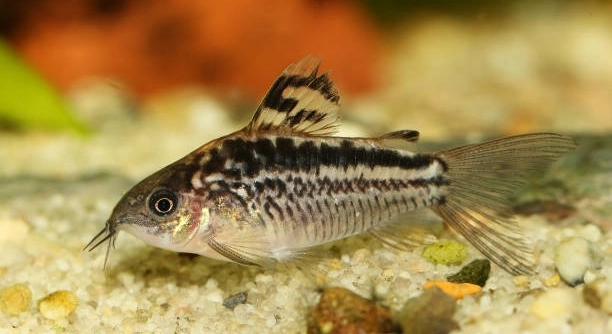
Is your Corydoras catfish suddenly more active whenever you walk near its tank, darting around with a burst of energy and movement?
The increased activity of your Corydoras catfish when you approach the tank is often a learned behavior linked to feeding time. Over time, the fish associate your presence with food, triggering an excited response.
Understanding these patterns can help you create a more enriching and healthy environment for your Corydoras while deepening your bond with these lively bottom dwellers.
1. They Recognize You and Expect Food
Corydoras catfish are smart in their own quiet way. Over time, they begin to connect your presence near the tank with feeding time. If you feed them regularly, especially at set times, they’ll learn to expect it. This habit can make them swim more actively or rush to the front of the tank when they see you. Their sense of routine is strong, and small visual cues—like your shadow or movement—can alert them. In community tanks, they may also mimic the excitement of other fish during feeding. This kind of behavior is normal and healthy, as long as they return to calmer swimming patterns afterward. If they’re especially enthusiastic, it could just be their way of “asking” for food.
Many fish display learned behavior, and Corydoras are no different. They notice small changes around them and respond to patterns that bring food or stimulation.
Consistent feeding habits build this response over time. It’s a simple, yet fascinating part of keeping fish.
2. They’re Naturally Active Fish
Corydoras are not lazy fish. They are known for staying busy, especially along the bottom of the tank. Their constant foraging and curious swimming is part of their normal routine.
Corydoras are bottom dwellers that love to dig through substrate in search of food. This foraging keeps them moving for most of the day. When you approach the tank, your presence could stimulate this behavior even more. They may assume food is coming or get a bit excited from the visual movement. In addition, if the tank is well-lit and the water conditions are good, Corydoras tend to be more visible and playful. A group of them will often move together, making their activity more noticeable. Their peaceful, social nature also means they’re likely to react to things around them rather than hiding. If they have proper hiding spots and clean water, this kind of active response usually means they’re healthy and comfortable in their environment.
3. They React to Vibrations and Movement
Corydoras are sensitive to the slightest movements around their tank. They can pick up vibrations through the glass or water, even from footsteps or small taps. This can make them more alert and cause sudden bursts of activity.
These catfish have a special line of sensory organs along their bodies, called the lateral line, which helps them detect pressure changes and movement in the water. When you walk by, place something near the tank, or even speak close to it, they can sense it. This awareness often leads them to start swimming quickly, especially if they link your presence with feeding. Sometimes, they’ll swim to the front or surface in anticipation. While this behavior might look like excitement or stress, it’s usually just a reaction to stimulation. If it’s happening often and they seem otherwise calm and healthy, it’s likely a normal part of how they respond to their surroundings.
Being near the tank often can create a pattern they begin to expect. Your approach becomes something familiar and maybe even interesting to them. That familiarity can trigger more movement, especially when combined with regular feeding times. Corydoras are surprisingly responsive to small environmental cues and don’t just swim randomly—they’re paying attention.
4. Water Conditions Are Optimal
Healthy water conditions can lead to more natural movement and energy in your Corydoras. Clean, stable water gives them a comfortable environment to stay active and explore. This also helps reduce stress and illness.
When the tank’s water is at the right temperature, pH, and ammonia levels, Corydoras tend to be more lively. These fish thrive in clean water with steady conditions, including good filtration and regular partial water changes. If they have plenty of oxygen and hiding places, they’ll feel safe enough to stay out in the open. When all of these factors are in place, they’re more likely to react positively when someone approaches. That boost in activity can be a sign that everything is working as it should. It may seem like your presence is the main cause, but good care behind the scenes plays a big role in how they behave on the outside.
5. They’re Reacting to Light Changes
Sudden changes in light, like when you turn on a room light or open a curtain, can startle Corydoras and make them swim quickly. They respond fast to lighting shifts, especially if the tank light is off.
If your approach causes shadows or light to flicker, the fish might dash around. This is often a short reaction and nothing to worry about. They usually calm down once the lighting becomes steady again.
6. They’re Social and Pick Up on Group Behavior
Corydoras are schooling fish, which means they often copy what others in their group are doing. If one fish becomes active, the rest usually follow. This behavior is a natural part of how they stay connected and safe. When one fish reacts to your approach, others may quickly do the same. This creates a ripple of movement through the group. It’s not unusual to see them swim in sync or gather near the front of the tank together. The response is stronger if they feel secure and settled in the tank. This social behavior adds to the appearance of sudden energy or excitement.
7. They’re Bored and Looking for Stimulation
Corydoras in a plain or empty tank may become more reactive because they’re seeking interaction. Adding more plants, hiding spots, or variety in their space can help reduce this.
FAQ
Why does my Corydoras catfish swim to the top when I approach the tank?
Swimming to the top when you come near could be a learned behavior linked to feeding. Corydoras often remember routines and associate people with food. If you usually feed them from the top of the tank, they might swim upward in anticipation. Another reason could be low oxygen levels in the water, which can cause them to gulp air at the surface. However, if this is only happening when you’re near, it’s probably due to excitement or curiosity rather than stress. Watching their overall behavior will help you tell the difference.
Is it normal for my Corydoras to get more active during the day?
Yes, Corydoras are mostly active during the day, especially in a well-lit tank with a regular day-night cycle. Their activity levels may change slightly depending on the time, but bursts of movement are common during feeding or when there’s stimulation. If your Corydoras seem more active during the times you are usually nearby, it might be because they’re used to you and your routine. As long as they’re not darting around constantly or showing signs of stress, a boost in daytime energy is a healthy sign.
Can Corydoras get excited when they see their owner?
Corydoras don’t show emotions like cats or dogs, but they can recognize patterns. They might not “miss” you, but they do notice when you show up—especially if it means food is coming. Over time, your presence becomes something familiar and possibly exciting. Some keepers report that their Corydoras come to the front of the tank or swim quickly when they enter the room. While it’s not an emotional connection in the way we experience it, it’s still a clear and consistent response based on memory and routine.
Should I be worried if my Corydoras swim around frantically when I come near?
It depends on how long the behavior lasts and what else is going on. A quick burst of activity is usually normal. They may just be reacting to movement, light changes, or expecting food. However, if they continue to dart around the tank without settling or if they show signs of stress like faded color, hiding constantly, or floating oddly, it could be a sign of something wrong—like poor water quality or sudden changes in their environment. Always check tank parameters if you notice ongoing frantic behavior.
Why do they only get active when someone is near the tank?
Your approach might be the most exciting part of their day. In tanks without much enrichment or natural change, fish can become tuned into external activity. Even slight movements or shadows can become interesting. Corydoras are curious and social fish, so they respond to anything that breaks the usual routine. Adding variety inside the tank—like live plants, driftwood, or other peaceful fish—can give them more to explore and react to on their own.
How do I know if their activity is healthy or a sign of stress?
Healthy activity looks smooth and controlled—your Corydoras swim together, explore the tank, and react to food. If they scatter suddenly and hide, gasp at the surface, or constantly swim against the glass, these are red flags. Stress often comes with other changes like clamped fins, reduced appetite, or unusual color. It helps to observe them regularly so you know what’s normal for your specific group. Stable water conditions, proper diet, and a peaceful tank environment are key to keeping their activity healthy.
Is it okay for Corydoras to swim around a lot, even without any clear trigger?
Yes, as long as the movement looks normal and they return to calm behavior, frequent swimming is okay. Corydoras are active scavengers. They enjoy moving through plants, digging in the substrate, and interacting with other fish. It becomes a concern if the movement turns into frantic darting, repeated bumping into the glass, or constant pacing. In a clean, well-maintained tank, it’s more likely that they’re just expressing natural behavior.
Do Corydoras behave differently depending on the number of fish in their group?
Absolutely. Corydoras are schooling fish and should always be kept in groups of at least six. In small numbers or isolation, they can become shy or inactive. A full group gives them a sense of safety, which leads to more confident and active behavior. If your Corydoras only show energy when you’re nearby, they may be under-stimulated from a small group size. Adding more companions of the same species often helps them stay more active and engaged throughout the day.
Final Thoughts
Watching your Corydoras become more active when you come near the tank is usually a good sign. It means they are aware of their environment and possibly recognize you as a part of their daily routine. Most often, this behavior is tied to feeding time or general curiosity. These small fish can learn patterns over time, so it’s not surprising if they get excited when they see you. As long as they return to their normal swimming behavior afterward and show no signs of distress, it’s a completely normal response. Movement, light, and even sound near the tank can trigger short bursts of activity, but this is part of how they explore and stay alert.
It’s important to know the difference between healthy activity and signs of stress. Sudden movements, rapid swimming, or rushing to the top of the tank can sometimes mean poor water quality or not enough oxygen. Always make sure your tank is well-maintained, with stable water parameters and plenty of oxygen. Corydoras need a clean, comfortable space to feel safe. If their environment meets their needs, they’ll be more likely to act curious and social. Providing a soft substrate, hiding spots, and keeping them in groups also helps encourage natural behavior. Observing them regularly can help you notice what is normal and what might be a cause for concern.
Keeping Corydoras happy and healthy doesn’t have to be complicated. A balanced diet, good tank conditions, and enough social interaction can go a long way. Their excitement when you come near the tank is often a reflection of how comfortable and well-adjusted they are. It shows they are alert and responding to their surroundings in a natural way. If you ever feel unsure about their behavior, checking water conditions is always a good first step. With a little attention to their needs and routines, Corydoras can remain peaceful, active, and a joy to watch in any home aquarium.

Hello,
If you enjoy the content that we create, please consider saying a "Thank You!" by leaving a tip.
Every little bit helps us continue crafting quality advice that supports the health, happiness, and well-being of pets around the world, for pets of all shapes, sizes, and species.
We really appreciate the kindness and support that you show us!